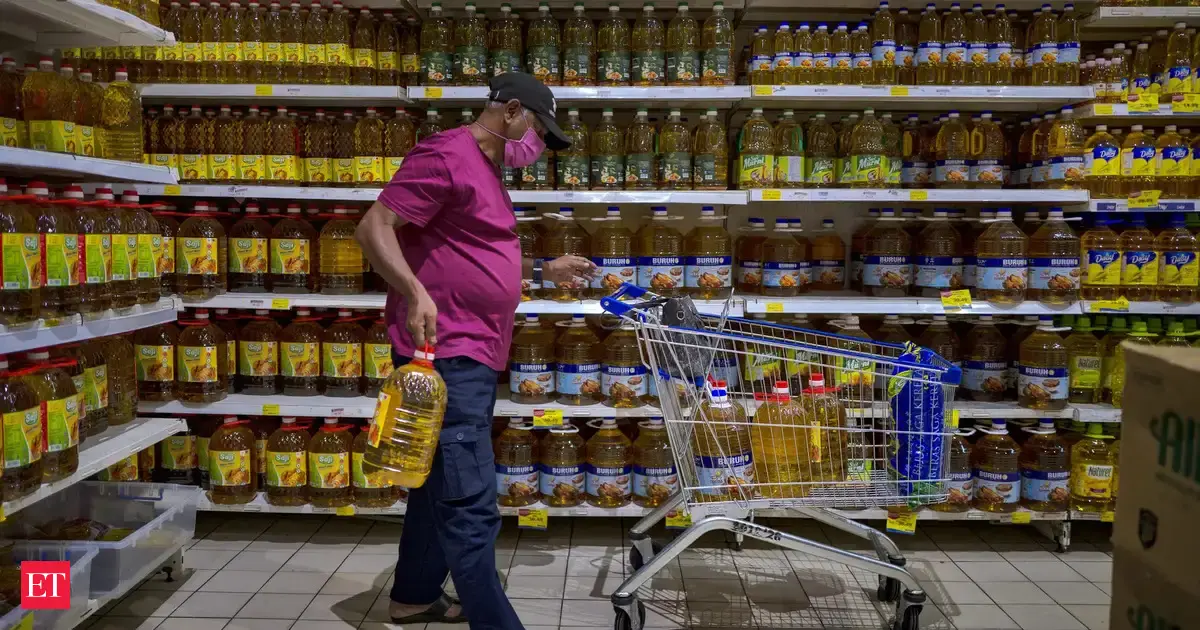
India, the world's biggest importer of vegetable oils, reduced palm oil purchases sharply in June as demand softened, according to dealer estimates reported by the Economic Times. Palm oil imports fell 10.5% month-on-month to 492,000 metric tons — the lowest level since April 2025. The drop could boost stocks in top producers Indonesia and Malaysia and weigh on benchmark Malaysian palm oil futures, dealers said.
Demand Softens Across All Vegetable Oils
The decline was not limited to palm oil. Soyoil imports fell 23% month-on-month to 381,000 tons in June, while sunflower oil shipments dropped 17.5% to 244,000 tons — the lowest in three months, according to dealer estimates. The simultaneous contraction across all major oils reflects broad-based demand weakness in India's edible oil market.
| Oil Type | June Imports (tons) | Month-on-Month Change |
|---|---|---|
| Palm Oil | 492,000 | -10.5% |
| Soyoil | 381,000 | -23% |
| Sunflower Oil | 244,000 | -17.5% |
Supply-Side Implications for Indonesia and Malaysia
India sources most of its palm oil from Indonesia and Malaysia, the world's top two producers. Lower Indian buying could swell inventories in those countries and suppress prices. Rajesh Patel, managing partner at trader GGN Research in Rajkot, Gujarat, said distributors have been buying hand-to-mouth in the hope that prices will decline, prompting refiners to cut back on imports. The discount of palm oil to soyoil has narrowed to less than $50 per ton, making palm oil less attractive, according to a Mumbai-based dealer with a global trade house.
Factors Weighing on Demand
Multiple factors contributed to the demand slump. Patel cited cooking gas shortages, higher gas prices, and extreme summer heat as key drivers. India, the world's second-largest importer of cooking gas, is grappling with its worst gas crisis in decades, according to the report. The government has cut supplies to industry and raised commercial cylinder prices to shield households from shortages, further pressuring edible oil demand.
Price Outlook and Trading Dynamics
The narrowing price advantage of palm oil over soyoil has made refiners cautious. The Mumbai-based dealer noted that discounts have shrunk, prompting traders to delay purchases. Meanwhile, Indian refiners had already shifted to soyoil in May as palm oil lost its price advantage, as noted in a related report. The hand-to-mouth buying behavior suggests expectations of further price declines, which could continue to weigh on import volumes in the near term.
Key Upcoming Data Releases
Market participants will watch for official import data from the Solvent Extractors' Association of India (SEA), which typically releases monthly data in mid-month. The impact of India's reduced buying on Malaysian palm oil futures will also be closely monitored, as will planting season progress in Indonesia and Malaysia.
Sources: