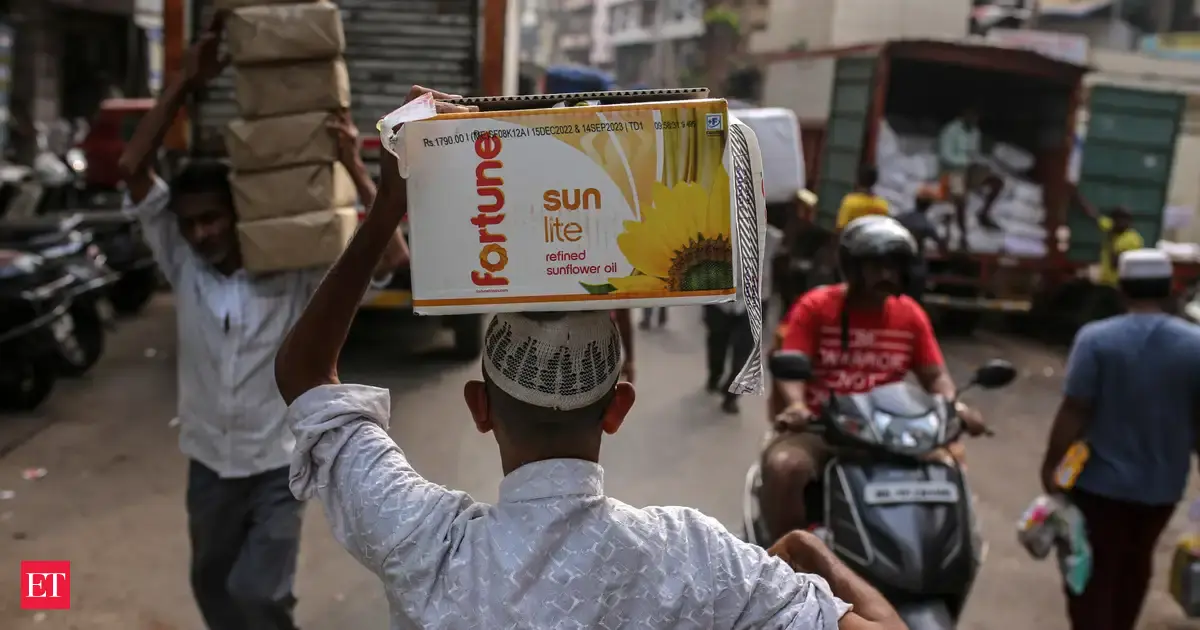
India, the world's largest importer of vegetable oils, is urgently seeking alternatives to sunflower oil as escalating violence in the Black Sea region disrupts shipments from top producers Russia and Ukraine, delaying deliveries by up to 60 days and pushing prices higher, according to traders cited by Bloomberg and reported by the Economic Times. The country is turning to South American suppliers, particularly Argentina, and to rival oils such as palm and soy to fill the import gap.
Supply Disruptions
Attacks in the Black Sea are "definitely affecting us," said Mannan Khan, director of MK Agrotech Pvt. Ltd., a vegetable oil importer and distributor based in the southern Indian city of Mysore. He added that dozens of his shipments, especially from Russia, have been delayed. The company was forced to source half its sunflower supply from Argentina as violence in the Black Sea region intensified in the past month. Khan is also "betting on" Australian canola oil, subbing it in for 3-4% of his firm's total import volume, with plans to raise it further.
The disruptions stem from stepped-up drone attacks by Ukraine on Russia-linked shipping infrastructure and vessels in the Black Sea, prompting Moscow to warn that it is unsafe to navigate in those waters. Meanwhile, the third-largest exporter of sunflower oil in Ukraine last week suspended operations, citing a sharp intensification of Russian missile and drone attacks on port and logistics infrastructure. Together, Russia and Ukraine accounted for 63% of global sunflower oil exports last season, according to the US Department of Agriculture.
Shifting Demand
The supply squeeze has pushed India's local sunflower oil price index up 6% this month, widening its premium over palm and soy oils. Demand is now starting to shift to rivals, according to Aashish Acharya, vice president at Patanjali Foods Ltd., one of the country's top vegetable oil buyers. He provided specific import expectations for July:
| Oil Type | Expected Imports (July) | Monthly Change |
|---|---|---|
| Palm oil | 700,000 tons | +40% |
| Soy oil | 500,000 tons | Higher than normal |
Imports of palm oil are expected to jump around 40% on a monthly basis to 700,000 tons in July, while a higher-than-normal 500,000 tons of soy oil is expected to come in every month, Acharya added.
Global Context
India's own oilseed planting has lagged due to a below-average monsoon, according to official data. That is likely to hit domestic output and increase the country's reliance on imports. This comes as the global vegetable oil market faces supply constraints on several fronts, including hot and dry weather wrought by a 'super' El Niño and expanded biodiesel mandates in Indonesia and Malaysia, the world's biggest palm oil producers.
"India's import requirements will be large," said Khan from MK Agrotech, adding that he expected prices to "stay firm and likely firm further."
Outlook
The confluence of Black Sea disruptions, weak domestic harvest prospects, and global supply constraints points to sustained upward pressure on edible oil prices in India. Traders and procurement teams will closely watch upcoming USDA supply-demand reports, monsoon progress, and Black Sea security developments for further direction.
Sources: