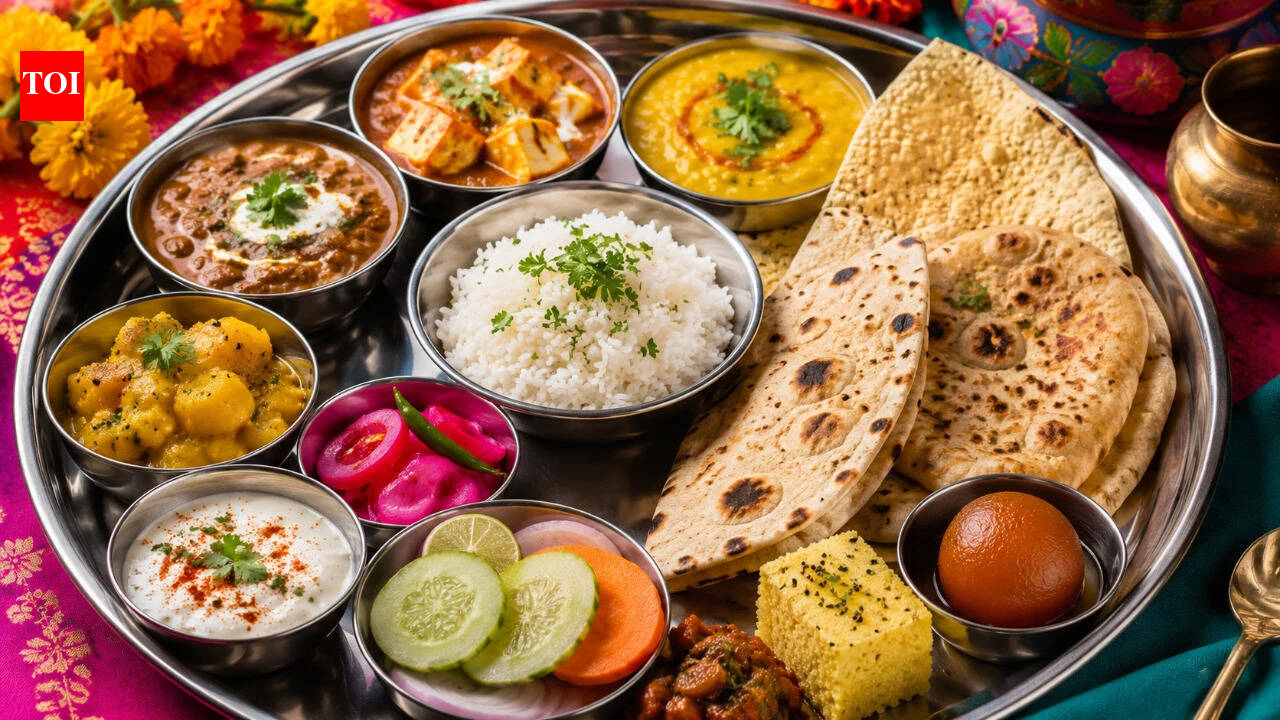
A home-cooked vegetarian thali cost 4% more in July than a year earlier, while a non-vegetarian thali was 9% costlier, according to a Crisil Intelligence report released on Friday. Higher prices of onions, vegetable oil, LPG and chicken drove the rise, the report said.
Onion prices lead the July surge
Onions were one of the biggest contributors to the vegetarian thali's rise, with prices 20% higher than a year ago and 23% higher than in June, according to Crisil Intelligence. The report linked the elevation to higher-priced stored rabi onion stocks reaching the market. Supplies were also hit after unseasonal rain and hailstorms in Maharashtra during March and April damaged the late-season crop and stored stocks, Crisil Intelligence said.
Broiler chicken lifts non-veg thali cost
For the non-vegetarian thali, the increase was sharper. Broiler chicken prices climbed 14% from a year ago, according to the report. Since broiler chicken makes up nearly half the cost of a non-vegetarian meal, the rise had a bigger impact, Crisil Intelligence noted. Month-on-month, however, broiler chicken prices are estimated to have fallen 2% in July as demand moderated, keeping the non-vegetarian thali cost unchanged from June despite higher prices for other ingredients.
Vegetable oil and LPG add pressure
Vegetable oil prices rose 11% year-on-year, while LPG cylinder prices increased 10%, according to Crisil Intelligence. These costs climbed amid supply disruptions and higher energy prices linked to the ongoing West Asia conflict, the report said. The combined impact pushed up cooking costs for both vegetarian and non-vegetarian thalis.
Potatoes and tomatoes cushion the overall rise
Lower prices of potatoes and tomatoes helped limit the overall increase in thali costs, according to Crisil Intelligence. Potato prices were 12% lower year-on-year after rabi production rose 2-3% on higher acreage, while tomato prices fell 2% year-on-year as planting was delayed and market arrivals were higher in July. On a month-on-month basis, the vegetarian thali became 2% more expensive in July, with onion prices jumping 23% and potato prices rising 4%, while a 1% fall in tomato prices and stable prices of other items helped keep the increase in check. The non-vegetarian thali cost the same in July as in June.
| Component | YoY change (July) | MoM change (July) |
|---|---|---|
| Onion | +20% | +23% |
| Vegetable oil | +11% | — |
| LPG cylinder | +10% | — |
| Broiler chicken | +14% | -2% |
| Potato | -12% | +4% |
| Tomato | -2% | -1% |
What the July thali data means for commodity buyers
For agribusiness and procurement teams tracking Indian food inflation, the Crisil Intelligence numbers show a supply-driven onion price spike rooted in Maharashtra's weather damage, a seasonal softening in broiler chicken demand, and edible oil and LPG costs still responding to energy market disruption from the West Asia conflict. The divergent moves — onions up 23% month-on-month while tomatoes fell 1% — illustrate the fragmented price landscape across Indian food commodities captured in the report.
Sources: