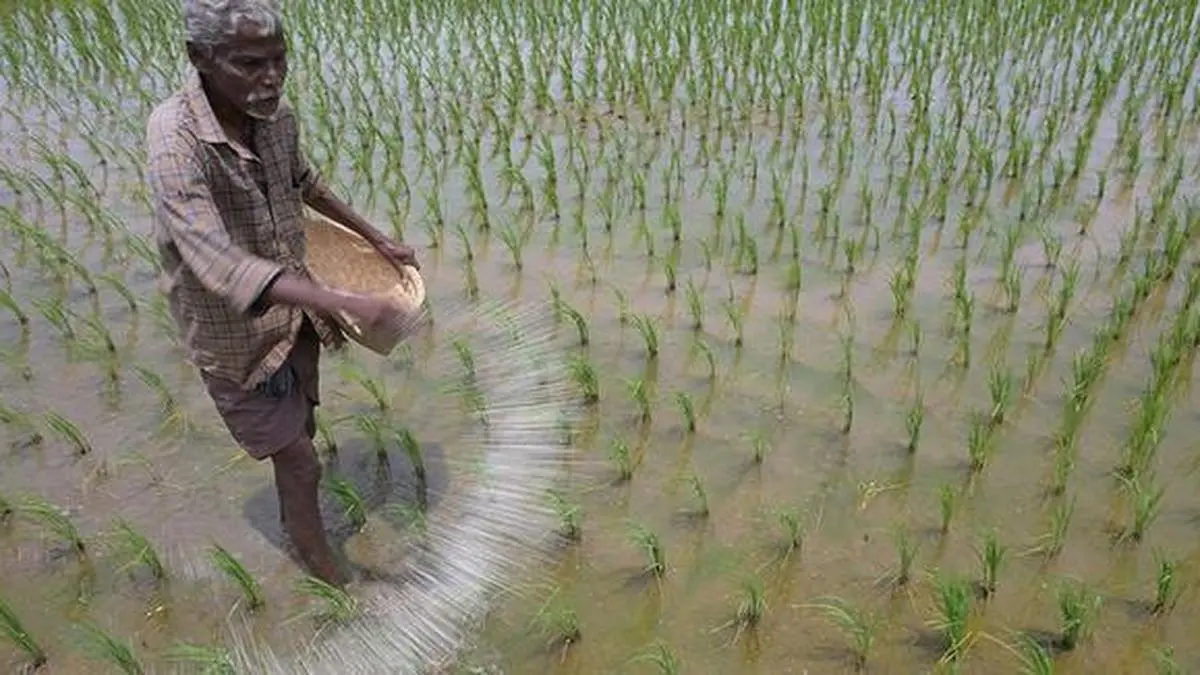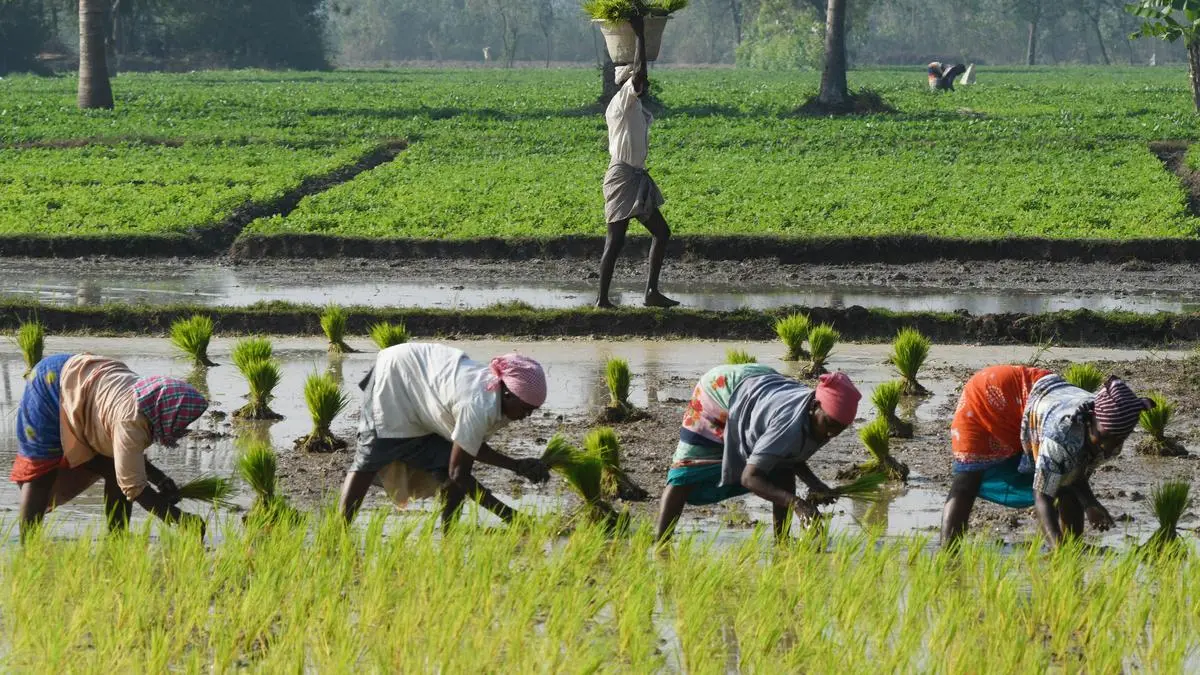
India's finance ministry has flagged concerns over a below-normal monsoon season, which has led to a 22% decline in total area sown under kharif crops in June, according to the ministry’s monthly economic review released on Tuesday. The ministry called for a reorientation of agricultural pricing policies to incentivize climate-resilient crops and disincentivize water-intensive ones, while emphasizing the need to build water buffers.
Rain Deficit and Kharif Sowing Decline
The review noted that cumulative rainfall until June 28 was 43% below the long period average (LPA). Only 26% of meteorological subdivisions recorded normal or excess rainfall during this period. This shortfall directly impacted sowing of major kharif crops. The declines were significant across key commodities:
| Crop | Decline in Sowing Acreage (%) |
|---|---|
| Pulses | 30% |
| Oilseeds | 53% |
| Rice | 25% |
| Foodgrains | 21% |
| Cereals | 18% |
Finance Ministry Calls for Policy Reorientation
"The weak progress of the south west monsoon has weighed on kharif sowing, and the monsoon deficit is a concern," the finance ministry stated in its review. The ministry urged a shift in agricultural pricing policies to "incentivise the cultivation of climate-resilient crops and disincentivise water intensive ones, along with building water buffers." It further noted: "Among many things India needs to build buffers in the coming years, water may be at the top of the list."
Buffer Stocks Provide Cushion
Despite the sowing shortfall, the review highlighted that combined wheat and rice stocks exceed 4.4 times the prescribed buffer norm. This inventory provides a cushion against potential supply-side disruptions, according to the ministry. However, the ongoing deficit raises concerns for the remainder of the kharif season and subsequent rabi crops.
Global Energy Market Easing Brightens Outlook
Addressing concerns related to the West Asia conflict, the review observed that "easing" of global energy market stress in June resulted in moderation of crude oil prices. This moderation has "brightened" the outlook for growth and also reduced inflation and external deficit risks. The conflict, however, underscored the need for a national policy on buffer stocks for a range of critical raw materials and inputs, the ministry said.
The finance ministry's analysis underscores the interplay between domestic agricultural production, weather patterns, and global energy dynamics. For commodity traders and analysts, the sharp declines in oilseeds and pulses sowing suggest potential supply tightness in coming months, while ample grain stocks may temper immediate price spikes. The call for policy reorientation signals possible future shifts in support prices that could alter planting decisions.
Sources: