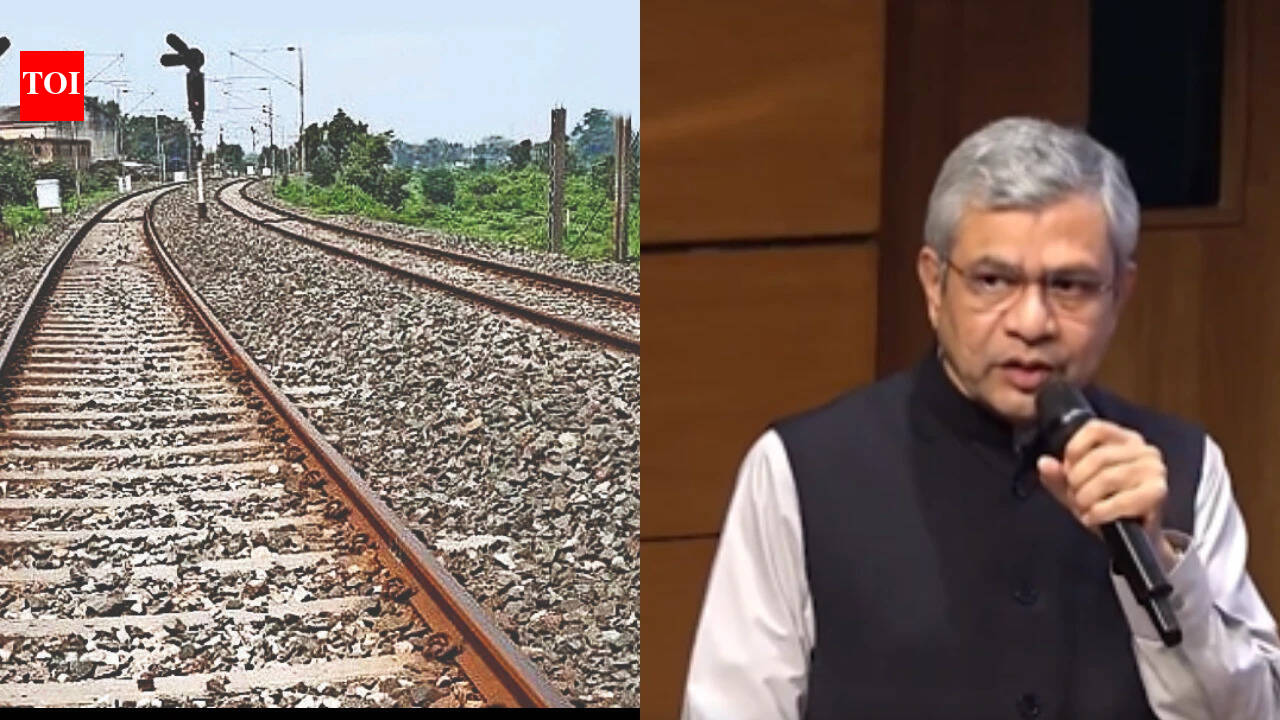
The government of India has announced a new initiative to bolster the domestic chemical sector. On July 24, 2026, the Cabinet, chaired by Prime Minister Narendra Modi, approved the Bharat Audyogik Vikas Yojana Rasayan (BHAVYA-Rasayan Scheme) with a total financial outlay of ₹3,030 crore to set up three dedicated chemical parks in the country, according to I&B Minister Ashwini Vaishnaw.
The scheme, first announced in the Union Budget for the 2026–27 fiscal year, will run for a period of five years, from the current fiscal to 2030-31. Out of the total outlay, ₹3,000 crore is allocated for establishing common infrastructure facilities and basic utilities inside the parks, while the remaining ₹30 crore will cover administrative expenditure, Vaishnaw explained.
Key Financial Details
| Component | Allocation (₹ crore) | Details |
|---|---|---|
| Common infrastructure & utilities | 3,000 | For three parks, up to ₹1,000 crore per park as central grant |
| Administrative expenditure | 30 | For scheme management over 5 years |
| Total outlay | 3,030 | As approved by Cabinet |
The central government will provide a grant of up to ₹1,000 crore per park, subject to a minimum contribution of ₹500 crore by the concerned state government, according to an official statement.
Benefits for the Chemical Sector
Vaishnaw highlighted that the chemical sector is a foundational industry, providing basic raw materials for many other sectors. The government stated that the scheme will "promote development of the chemical industry along the whole value chains, including upstream, downstream and ancillary industries, promoting efficient utilisation of resources, leading to lower logistics cost." This initiative is expected to reduce input costs for downstream industries such as pharmaceuticals, agrochemicals, plastics, and specialty chemicals, thereby enhancing the competitiveness of Indian manufacturers.
Implications for Commodity Markets
For commodity traders and procurement teams, the establishment of these chemical parks signals a long-term shift in India's raw material sourcing and logistics landscape. By consolidating chemical production and infrastructure, the scheme aims to lower logistics costs, which can improve the pricing dynamics for bulk chemicals and intermediates. While no specific commodity price data was provided in the announcement, the move could attract investments from global chemical companies seeking to set up manufacturing bases in India. The parks are likely to serve as hubs for key chemical feedstocks, potentially altering import-export trends for products like methanol, ethylene, propylene, and various specialty chemicals.
Outlook
The scheme's five-year timeline from 2026-27 to 2030-31 suggests a phased development of common infrastructure. The total investment required for establishing the three parks will be "much higher" than the central support, as per Vaishnaw, implying additional private and state-level funding. Market participants should monitor the selection of park locations and the pace of infrastructure rollouts, as these will influence supply chain efficiencies and pricing for industrial chemicals in India. The government's focus on reducing logistics costs and promoting value chains aligns with broader efforts to make India a manufacturing hub under the Make in India initiative.
Sources: