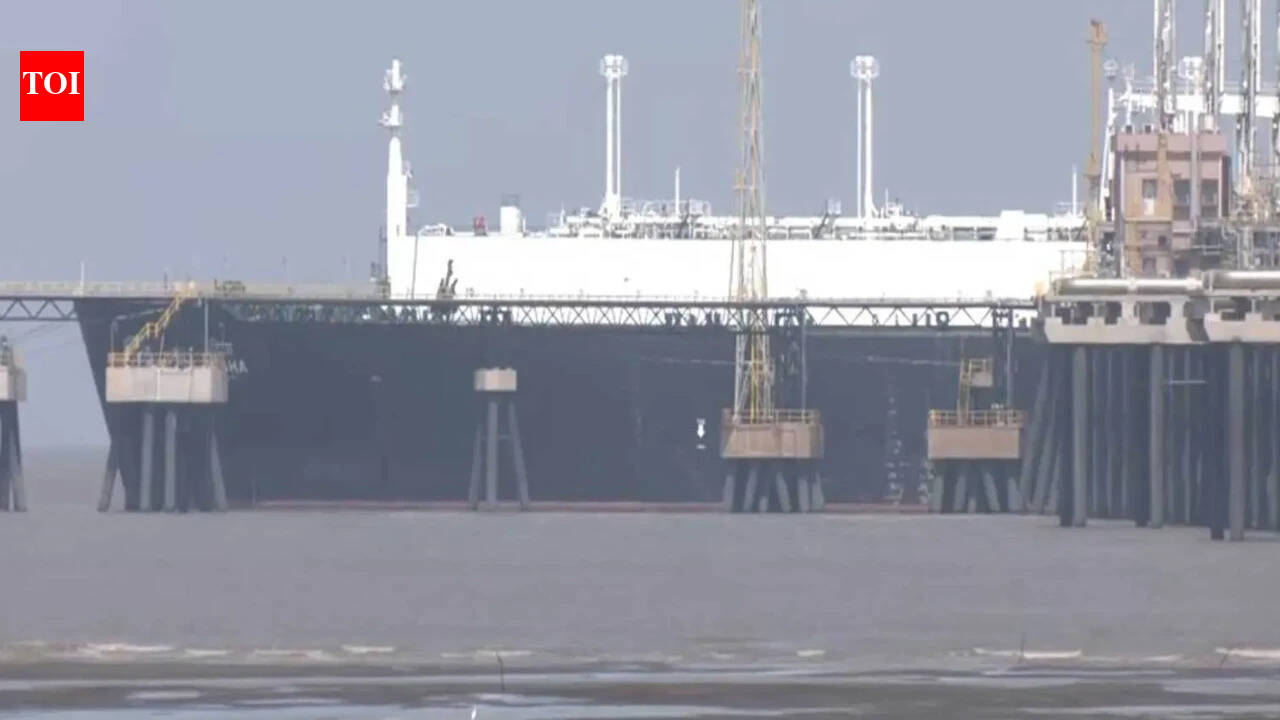
India has sharply widened its energy import base, sourcing liquefied natural gas (LNG) from 15 countries, up from six, and crude oil from 41 countries, compared with 27 earlier, according to a government statement to Rajya Sabha reported by Business Today. The move comes as geopolitical tensions and disruptions along key maritime routes raise concerns over the reliability of energy supplies, the report said.
Import base diversification
Business Today reported that the Ministry of Petroleum and Natural Gas told the upper house on Monday that the broader sourcing network was intended to limit India's exposure to disruptions in any single market or shipping route. Minister of State for Petroleum and Natural Gas Suresh Gopi said in a written reply, as quoted by ANI:
This diversification has reduced dependence on any particular country, region or transit route and enhanced India's ability to manage supply disruptions and market volatility.
The expansion of the LNG supplier base is the latest indication of India's efforts to spread its energy procurement across more markets, according to Business Today. The increase in crude oil sourcing to 41 countries had been disclosed earlier as India responded to risks to energy shipments through the Middle East, the report added.
The government's widened sourcing footprint, as reported by Business Today, is summarised below:
| Commodity | Supplier countries earlier | Supplier countries now |
|---|---|---|
| Liquefied natural gas (LNG) | 6 | 15 |
| Crude oil | 27 | 41 |
Supply monitoring and coordination
The ministry said it was tracking potential threats to energy flows and assessing global supply conditions in coordination with public-sector oil and gas companies and other stakeholders, Business Today reported. The ministry's written reply added:
Government, in consultation with Public Sector Oil and Gas Companies and other stakeholders, continuously assesses global supply conditions and acts appropriately to ensure uninterrupted availability of crude oil, LNG and petroleum products.
Domestic crude storage buildout
Alongside import diversification, the government is expanding its ability to hold crude domestically, according to Business Today. Indian Strategic Petroleum Reserve Ltd currently operates three storage facilities in Andhra Pradesh and Karnataka with a combined capacity of 5.33 million metric tonnes.
Another 6.5 million tonnes of capacity has been approved through two commercial-cum-strategic reserves at Chandikhol in Odisha and Padur in Karnataka, the report said. However, these facilities are not yet available for use. Both projects were approved in July 2021, with the latest reply providing no fresh timeline for their completion or commissioning.
ONGC is separately developing a 1.75-million-tonne reserve in Karnataka. Under the government's earlier plan, half of this capacity will be kept for strategic storage, while the other half will be available for ONGC's commercial use.
Storage capacity at a glance
| Facility / status | Location | Capacity (million metric tonnes) |
|---|---|---|
| Three operational ISPRL facilities | Andhra Pradesh and Karnataka | 5.33 |
| Two approved commercial-cum-strategic reserves (not yet available) | Chandikhol, Odisha; Padur, Karnataka | 6.5 |
| ONGC reserve under development | Karnataka | 1.75 |
Implications for commodity buyers
According to Business Today, the wider import network and planned storage capacity are aimed at giving India more options to withstand shocks to global energy flows and limit the impact of geopolitical or shipping disruptions on domestic supplies. For LNG and crude oil traders, the diversification signals that Indian buyers can draw from a much larger pool of suppliers when routing cargoes around disrupted maritime corridors, with the government's public-sector partners actively assessing global supply conditions as part of that process.
Sources: