
Topic
energy
 Commodities
 45 Indian power plants face critically low coal stocks as monsoon hits supply
India's Central Electricity Authority data showed 45 power plants with critically low coal stocks as of August 25, up from 31 at end-July. Monsoon rains hit mining and transport in Odisha, Jharkhand and Chhattisgarh, while weaker-than-normal rainfall lifted electricity demand. BigMint reported stocks fell 19% in August to 30.95 million tonnes, about 10 days of operation.
 Technology
 AI could unlock $230 billion annually in upstream oil and gas: McKinsey
A McKinsey & Company report estimates artificial intelligence could unlock approximately $230 billion in annual value in global upstream oil and gas at full potential, with $65 billion achievable near-term using current technology. Most of the opportunity is concentrated in a small number of use cases, while oilfield services companies face up to $60 billion of revenue exposure.
 Commodities
 Crude Oil Prices Fall as Diplomacy Eases West Asia Supply Concerns
Crude oil futures fell on Thursday as diplomatic efforts in West Asia eased supply concerns. Brent for November slipped 0.40% to $86.59, while WTI October dropped 0.41% to $81.89. US crude inventories rose marginally, with a Qatari prime ministerial visit to Tehran and Iran-Oman talks over the Strait of Hormuz in focus.
 Commodities
 Diesel Prices Above $5.60 as Refining Crisis, Not Crude, Drives Market
On-road diesel prices hit the high $5.60s as crack spreads surged above $100 per barrel, far beyond the normal $15–$25 range, according to a FreightWaves interview with Aaron Decker, CEO of Multi-Service Fuel Card. Decker said the problem is refining capacity, not crude, with Ukrainian drone strikes and record-low distillate inventories tightening supply. He expects diesel to remain above $5 for the foreseeable future.
 Commodities
 Indian refiners widen oil search as Ukrainian attacks hurt Russian crude flows
Indian refiners are cutting Russian crude purchases after Ukrainian attacks disrupted export flows, turning to West Africa, the Americas and the Persian Gulf for replacement barrels. Imports of Russian crude are expected to fall to about 2 million barrels a day this month, down from around 2.8 million in July, according to Kpler.
 Logistics
 ADNOC L&S Exercises Options for Two LNG Carriers, Lifting Newbuild Programme to 20 Ships
ADNOC Logistics & Services has exercised options for two 175,000 cu m LNG carriers at Jiangnan Shipyard, adding $444m to its newbuild bill and lifting its LNG newbuild programme to 20 ships. The company has committed around $2.7bn to vessel acquisitions and newbuildings in 2026, including a $1.3bn deal for six VLCCs and five VLGCs.
 Commodities
 SLB named strategic reservoir partner for Havstjerne North Sea carbon storage project
SLB has been selected as strategic reservoir partner for the Havstjerne carbon storage project in the Norwegian North Sea, providing technology and engineering services for concept and FEED phases. The project, operated by Harbour Energy with Stella Maris CCS, received €225m from the EU Innovation Fund in 2025 and confirmed reservoir quality through an appraisal well drilled that year.
 Commodities
 Crude oil futures fall on MCX to ₹8,286 per barrel on weak global cues
Crude oil futures on MCX fell to ₹8,286 per barrel on weak global trends and soft spot demand. WTI dropped 0.58% to $86.33 and Brent fell 0.35% to $93.45, according to a PTI report published by The Hindu BusinessLine.
 Commodities
 Winter Energy Prices to Hit Three-Year High as Wholesale Gas Volatility Drives UK Cap
Analysts expect Ofgem to raise its winter price cap by 4% to a three-year high, driven by a 61% rise in wholesale gas prices over the past three months. Cornwall Insight forecasts a typical household will pay £1,729 a year from October, up from £1,663. Energy UK reports total consumer energy debt has reached £6bn and may hit £7bn by year-end.
 Commodities
 Benchmark diesel price is now highest since war began
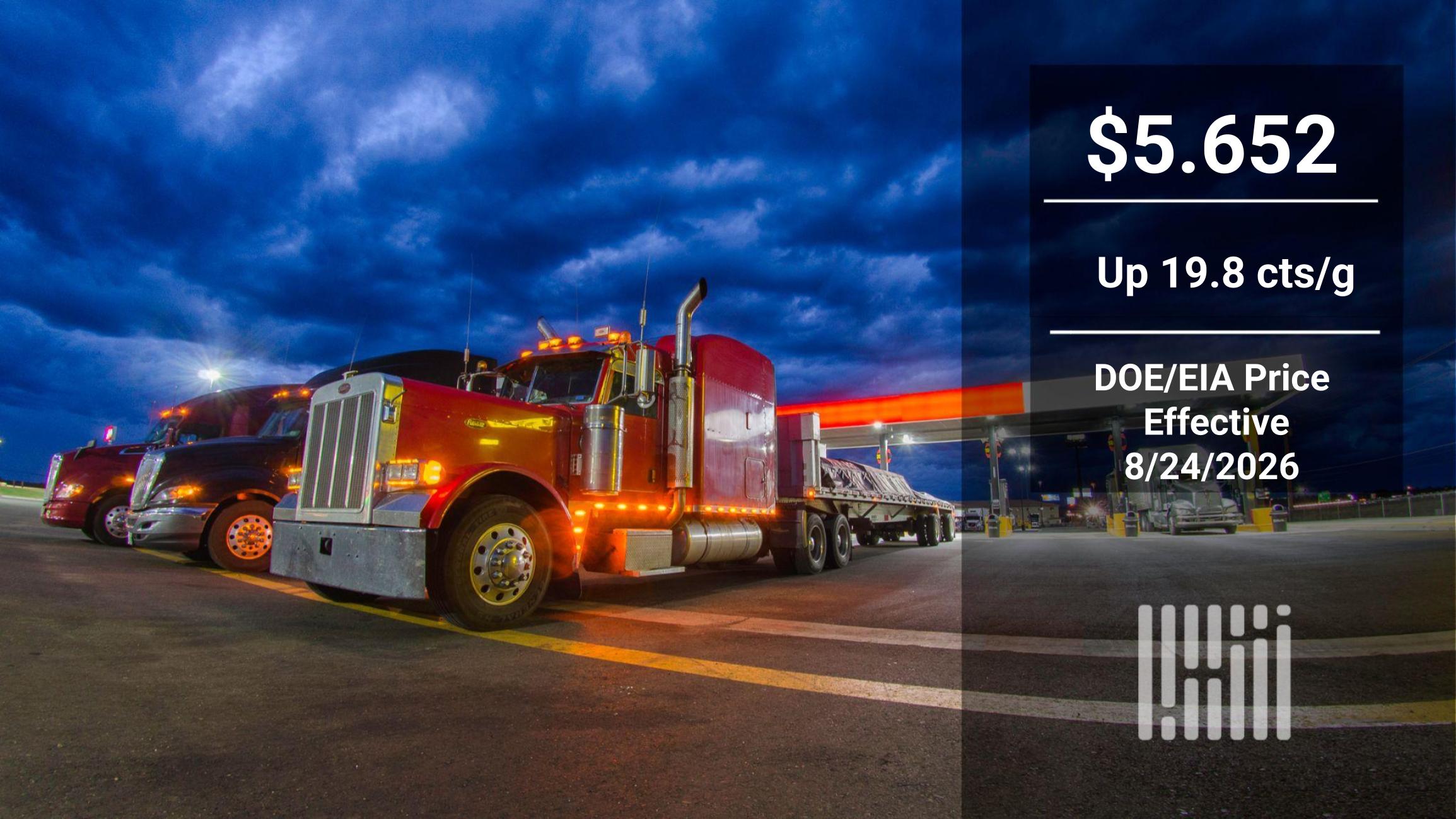
The DOE/EIA average weekly retail diesel price rose 19.8 cents/gallon to $5.652/g, its highest level since military action against Iran began in early March. ULSD futures on the CME reversed course, falling 22.72 cents/gallon after Treasury Secretary Scott Bessent signaled a shift to economic pressure on Iran. Bullish diesel-specific factors including Ukrainian strikes on Russian refineries continue to underpin the market.
 Commodities
 Wars and Export Curbs Now Hit More Than 43% of World's Oil Supply
Wars, attacks and export curbs now touch more than 43% of the world's oil supply, equal to about 45 million barrels a day of 2025 production, according to Reuters calculations based on IEA data. The Gulf disruption alone is estimated at 5–7 million barrels per day, while conflicts have cut global refining capacity by a tenth. With IEA emergency stockpile releases largely complete and inventories declining, crude and fuel markets face a thinning safety buffer.
 Commodities
 India emerges as new ‘swing supplier’ of refined oil products as Middle East crisis reshapes
India is emerging as a global 'swing supplier' of refined oil products, with Singapore becoming its largest export destination at $4.3 billion. Refinery capacity expansion, discounted Russian crude and supply disruptions in Russia and the Middle East are driving the shift, according to Business-Today.
 Commodities
 Hanwha establishes Hanwha Horizon USA to build US LNG trading and logistics arm
Hanwha Aerospace has created Hanwha Horizon USA, a new US company that will serve as the control tower for the conglomerate's global LNG operations, combining procurement, trading and logistics. The venture will initially supply Hanwha Energy's Yeosu power plant in South Korea before expanding LNG sales to utilities across Asia, according to Splash247.
 Commodities
 India readies year-wise drilling, rig deployment roadmap for Samudra Manthan
India’s Oil Ministry is finalising a year-wise roadmap for drilling, seismic surveys and rig deployment under the $8.8 billion Samudra Manthan offshore exploration scheme. The programme, backed by ₹84,000 crore in Phase-1 funding, targets 10-15 million tonnes of oil equivalent of incremental annual production.
 Commodities
 Equinor, Aker BP and Vår Energi join forces on Norwegian Continental Shelf exploration
Equinor, Aker BP and Vår Energi have formed a strategic exploration collaboration on the Norwegian Continental Shelf. They plan to mature and test 20-25 opportunities over four to five years, aiming to drill around five high-impact wells annually. The effort supports reliable European energy supplies amid an expected post-2035 production decline.
 Commodities
 US Natural Gas Rises as Texas Heat Outlook Boosts Power Demand
Nymex September natural gas futures settled 3.2% higher at $2.776/mmBtu as intense Texas heat lifted power demand. Houston temperatures are expected to average 100F from August 20-23, and ERCOT peak load could set a record this week. BNEF data showed Lower-48 dry gas production at 112.5 bcf/day, up 2.6% year-over-year.
 Commodities
 India offers city gas distributors 200 SCM cheaper domestic gas for every new PNG connection
India will offer city gas distributors 200 SCM of lower-priced domestic natural gas for every new billed household PNG connection, effective September 1. The incentive aims to activate unused connections and expand networks, potentially cutting the payback period for distributor capital expenditure to about three years from 10 years.
 Commodities
 India's July Crude Oil Imports Rise Over 9% Month-on-Month, PPAC Data Shows
India's crude oil imports rose more than 9% month-on-month in July 2026, and 13% year-on-year, according to PPAC data cited by The Economic Times. Product exports rose over 8%, while fuel consumption hit a four-month high of 19.92 million metric tons. Refiners are facing a crude cost surge as Gulf premiums rise and Russian discounts vanish, the report added.
 Commodities
 Indian Refiners Forced to Buy Oil at Premium as Russian Discounts Vanish
Indian refiners are paying sharply higher premiums for Gulf and West African crude as the Middle East conflict tightens physical supply, while discounts on Russian and Venezuelan oil have narrowed or disappeared. Brent futures have risen about $10 a barrel in two weeks, and US Senate tariff legislation could add further pressure on global supplies.
 Commodities
 Arabian Drilling Expands GCC Footprint with Oman Rig Deal, Signs Masirah Oil Contract
Arabian Drilling, Saudi Arabia’s largest drilling contractor by fleet size, has signed a contract with Masirah Oil and Northern Offshore for two firm and two optional wells in Oman, according to Splash247. The deal marks the company’s entry into a new GCC market, while it also resumed operations on suspended offshore rigs in Saudi Arabia earlier this month.
 Commodities
 U.S. Diesel Crack Spread Hits Record $102 a Barrel, Signaling Q4 Supply Crunch
The U.S. diesel crack spread hit an all-time record of roughly $102 a barrel on August 17, 2026, according to Reuters figures cited by FreightWaves, with distillate inventories at the lowest level for that time of year since 1996. The spread, four to six times normal, points to a refining and supply crunch rather than a crude oil problem. FreightWaves frames it as an early-warning signal for diesel buyers heading into Q4.
 Commodities
 US-Iran War Oil Shock: How Long Can the World and India Absorb It?
The US-Iran war has caused one of the biggest oil supply disruptions in history, but crude prices have only spiked modestly so far, according to Business Today. The IEA released 400 million barrels from emergency reserves, while the EIA forecasts prices will stay elevated until early 2027. India and the global economy face an uncertain period if the conflict continues for another six months.
 Commodities
 ExxonMobil awards $1.1bn in Mozambique LNG project deals ahead of FID
ExxonMobil has awarded approximately $1.1bn in pre-investment contracts for the Rovuma LNG Phase 1 development in Mozambique, covering subsea production systems, valves, and line pipe. The awards, reported by Splash247, enable suppliers to begin fabrication ahead of a final investment decision and support the 18.6 mtonnes-per-year onshore LNG facility.
 Commodities
 Crude Oil Rises on Reports of Iran Adopting More Offensive Stance
Crude oil futures rose Tuesday morning after reports that Iran plans a more offensive stance in the West Asia crisis. October Brent traded at $91.49, up 0.68%, and October WTI at $84.41, up 0.80%, according to The Hindu Business Line. The move follows threats of a 'timely and precise' military attack against the US naval blockade and the expiry of a US-Iran memorandum of understanding.
 Commodities
 Crude prices cross $90 as ceasefire hopes dim, Hormuz disruption weighs on supply
Brent crude surged past $90 a barrel on Tuesday, while WTI climbed to $84.84, as stalled ceasefire hopes and a collapse in tanker traffic through the Strait of Hormuz raised supply concerns. Iran signalled a 'fully offensive' posture, the US ruled out extending the ceasefire, and Houthi attacks spread to the Red Sea, according to Business Today.
 Commodities
 Oil rises as Iran signals offensive stance, US rules out ceasefire extension
Oil prices climbed on Tuesday as Iran signalled a fully offensive military posture and the US ruled out extending a temporary ceasefire, heightening supply worries. Brent rose 0.3% to $91.14 a barrel while WTI gained 42 cents to $85.04, with Hormuz vessel transits falling to five on Saturday and none on Sunday.
 Commodities
 E20 Petrol Row: Chief Economic Adviser Nageswaran Calls for Lower Ethanol Blend at Pumps
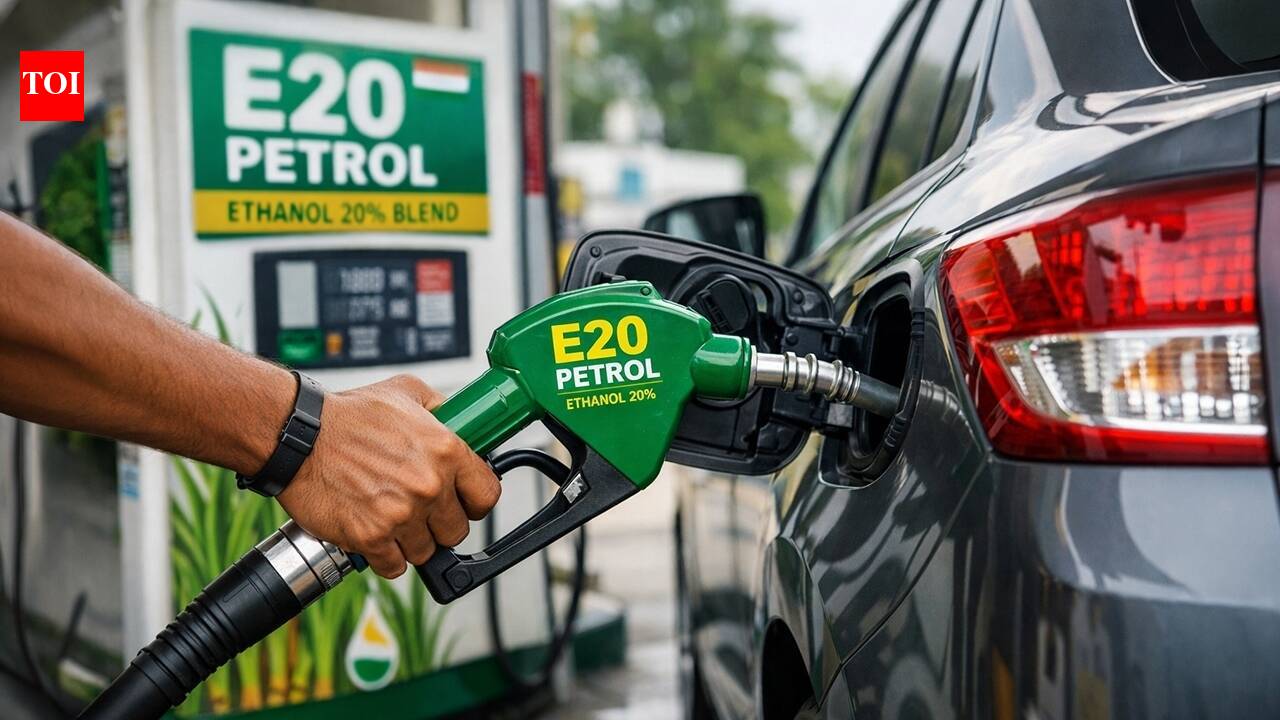
Chief Economic Adviser V Anantha Nageswaran has called on the government to restore lower-ethanol petrol such as E10 alongside the mandatory E20 blend, according to Business Today. The call follows consumer concerns over vehicle performance and damage, and comes as the Supreme Court hears challenges to the E20 policy. The Centre last month said it had no proposal to bring back lower blends, and has defended the programme as cutting imported crude dependence.
 Commodities
 Russia faces fresh fuel shortages as refinery attacks disrupt supplies
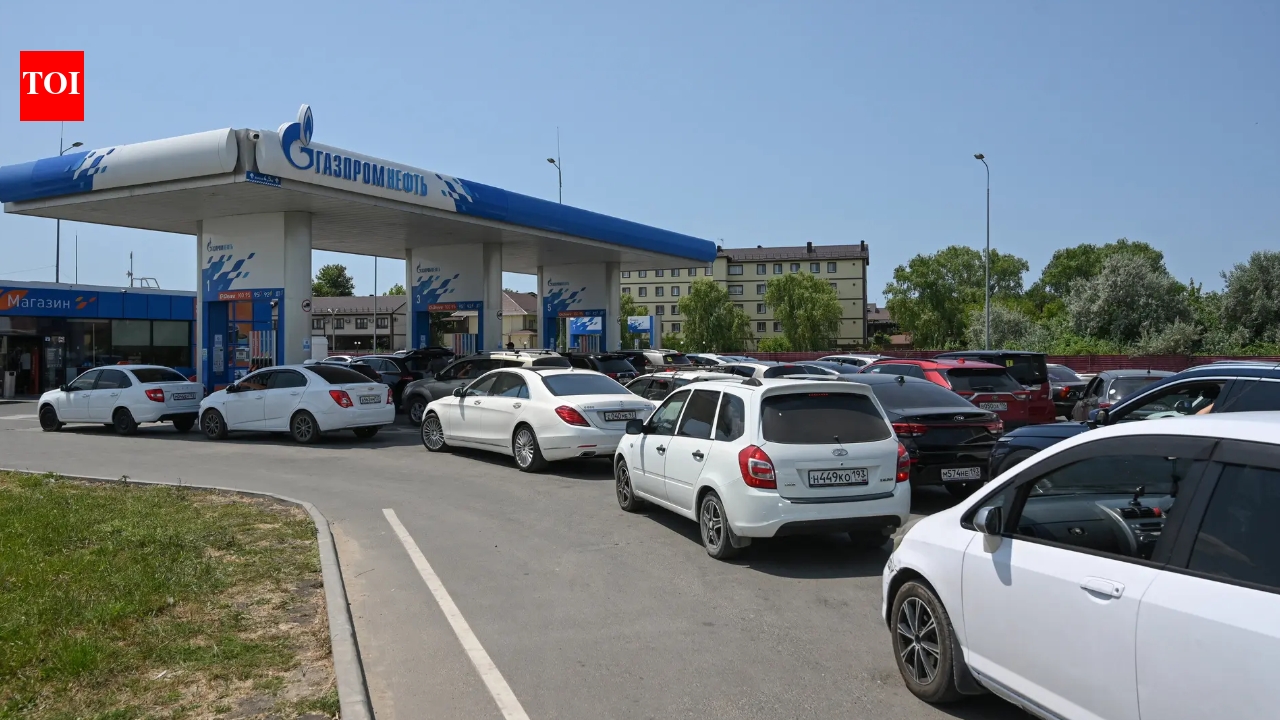
Fuel shortages have resurfaced in parts of Russia, with at least 10 regions tightening petrol sales restrictions after fresh drone attacks on refineries, according to Business Today. Petrol was unavailable at some Moscow filling stations, and wholesale gasoline sales on the St Petersburg International Mercantile Exchange fell 20% since the beginning of August.
 Logistics
 Wary of Red Sea Risks, Asian Refiners Push Saudi Aramco to Shift Crude Loadings
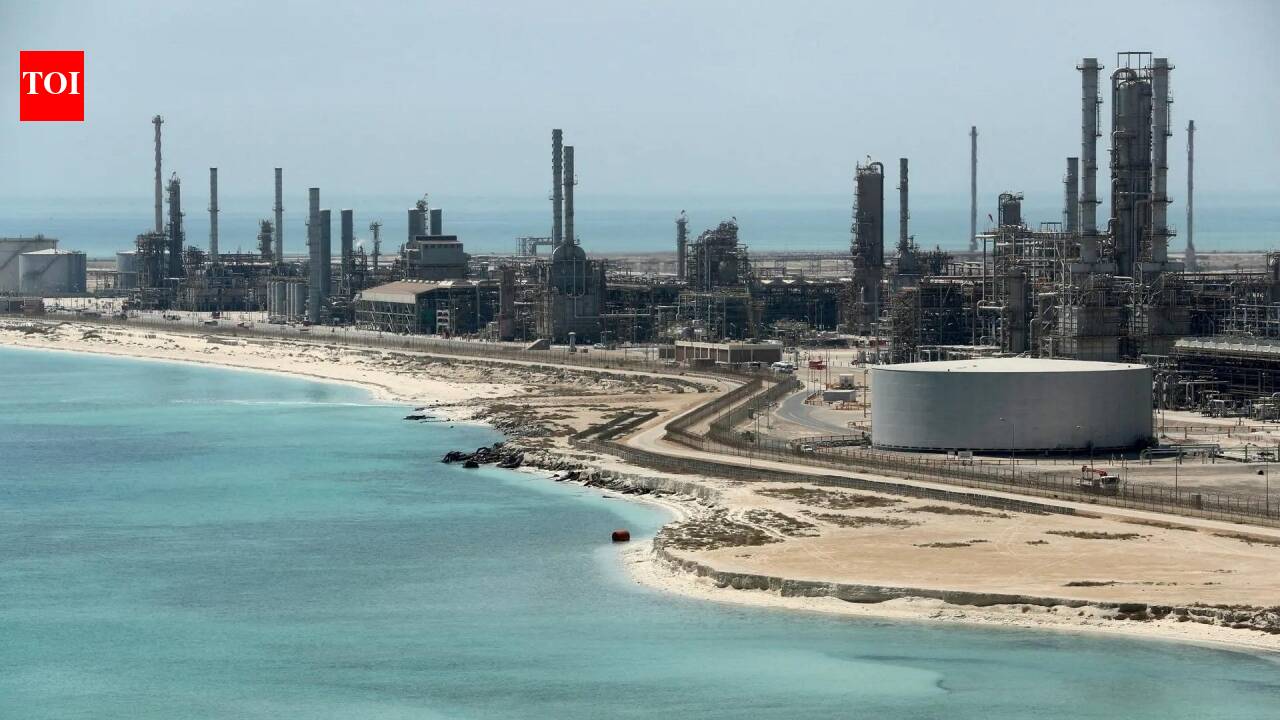
Asian refiners are reluctant to lift Saudi crude at Yanbu on the Red Sea and have asked Aramco to switch September cargoes to Egypt's Sidi Kerir. The shift follows Houthi attacks on tankers, and higher Africa-rerouting costs could push at least one refiner to skip its monthly allocation.
 Commodities
 India Caps Refiners' LPG Output at 63,810 TPD Until December on Supply Disruption
India's Central Government has set a maximum daily LPG production limit of 63,810 tonnes per day for all refiners, including joint ventures and private firms, until December 2026. The Ministry of Petroleum & Natural Gas issued the directive after the closure of the Strait of Hormuz, marking the first bi-annual production cap. Reliance Industries received the largest allocation at 18,000 TPD.
 Commodities
 BP returns to Venezuela offshore gas with Loran Phase 2 licence award
BP has signed agreements with Venezuela to develop offshore gas, including the Loran Phase 2 exploration and production licence in the Plataforma Deltana area. BP will operate the project with equal partners XRG and UCC Oil and Gas, covering around 4 trillion cubic feet of recoverable gas. The deal marks BP's return to Venezuela's offshore gas sector as the country reopens to foreign investment.
 Commodities
 US expected to become India's top LPG supplier with 55% import share: OPEC
OPEC's latest monthly report projects the US will emerge as India's largest LPG supplier, accounting for about 55% of imports, replacing the Middle East Gulf. The shift follows a 2025 sales agreement and is supported by record US propane and butane exports to India, while Indian imports from the Middle East have fallen sharply amid supply disruptions.
 Commodities
 Brent Crude Oil Price Today: Futures Edge Higher Amid West Asia Uncertainty
Brent crude oil futures traded higher on Monday, with October Brent at $88.65, as uncertainty over the Strait of Hormuz and US-Iran tensions persisted, according to The Hindu Business Line. WTI eased to $81.39, while MCX crude and natural gas futures fell. Turmeric and guargum gained on NCDEX.
 Commodities
 Oil Holds Steady as Strait of Hormuz Nears Zero Traffic; Iran-US Talks Stall
Brent crude edged up 0.42% to $88.89 and WTI rose 0.21% to $82.57 as vessel traffic through the Strait of Hormuz nearly halted over the weekend. Kpler data showed only five commodity vessels crossed on Saturday and none on Sunday, versus 31 the prior weekend, while Iran-US talks remained stalled.
 Commodities
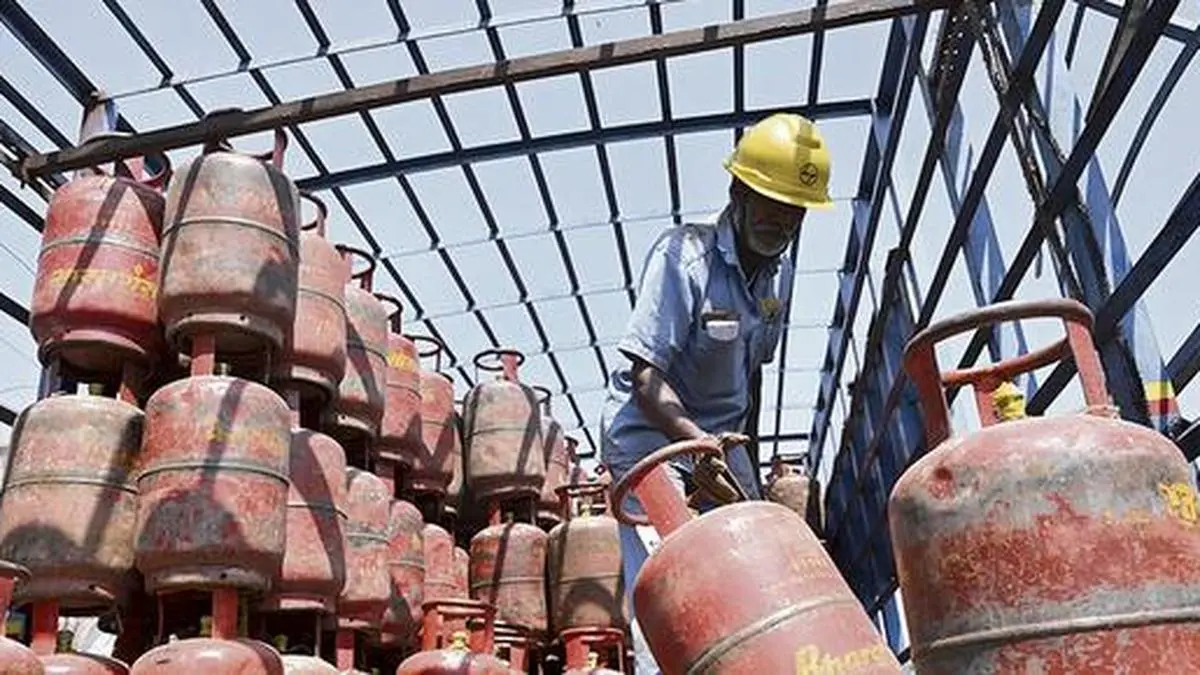
 Govt sets LPG production targets for refiners; Reliance gets largest quota
The Petroleum and Natural Gas Ministry has fixed maximum LPG production targets for 21 refineries and upstream companies, with combined potential of 63,810 tonnes per day. Reliance Industries' older refinery gets the largest quota of up to 18,000 tonnes per day. The move follows supply disruptions during the West Asia crisis, when the Strait of Hormuz closure exposed India's 64 percent import dependence.
 Commodities
 Crude Check: Brent set to consolidate between $83 and $91, MCX range ₹7,400-₹8,000
Brent crude oil futures on ICE consolidated between $83 and $91 per barrel after rallying 5.9% to $88.50, while MCX crude futures in India rose 6.1% to ₹7,810 and faced resistance at ₹8,000. According to The Hindu BusinessLine, both contracts are expected to trade sideways, with the trade strategy being to stay out.
 Commodities
 Indian refiners snap up crude months ahead as wars upend supply
Indian state-owned refiners are securing spot crude cargoes for October and November delivery, far earlier than usual, as Ukrainian attacks on Russian energy assets and the Strait of Hormuz standoff disrupt supply, according to Bloomberg. HPCL bought about 4 million Middle Eastern barrels for October, while MRPL booked West African oil. US sanctions threats and India's festival season are tightening the demand picture.
 Commodities
 Simple-Cycle Turbines Make Data Center Gas Power Plants Far Dirtier
Amazon's off-grid Texas data center power plant, permitted to emit up to 33 million tons of greenhouse gases annually, will rely entirely on simple-cycle gas turbines — a far less efficient design than the combined-cycle units used at most grid power plants. WIRED reports that a growing wave of data center projects from Meta, Microsoft, Google, and xAI are turning to the same quick-install turbines, with big implications for AI's climate footprint.
 Commodities
 Asian refiners buy more US crude as Hormuz remains blocked, traders say
At least four Asian refiners bought US crude this week as the Strait of Hormuz remained effectively closed, according to traders cited by The Hindu BusinessLine. The purchases, spanning Mars and WTI grades for delivery later this year, came at premiums of $8–14 per barrel above Dubai, WTI, and Dated Brent benchmarks. Asia's July imports of US crude hit a record 2.35 million barrels per day, data from Kpler showed.
 Commodities
 Ethanol emerges as marine fuel as Shandong Shipping orders first ethanol-fuelled engines for Vale
Shandong Shipping ordered the world's first ethanol-fuelled two-stroke engines in May, backed by a Vale charter, according to an article by WinGD's Andrea Lazzaro in Splash247. The IMO's approval of emissions factors for Brazilian corn ethanol, along with ethanol's wide availability in Brazil and the US, supports marine adoption, though FuelEU Maritime still excludes food-crop biofuels.
 Commodities
 India's coal demand seen at 1.6 billion tonnes by 2030 as govt pushes market-driven trade
India's coal demand is projected to rise to 1.6 billion tonnes by 2030, said Coal Secretary Vikram Dev Dutt at the Global Commodity Conclave 2026. With domestic production past 1 billion tonnes, the government plans a many-to-many coal exchange and eventual derivatives market for transparent, market-driven price discovery.
 Commodities
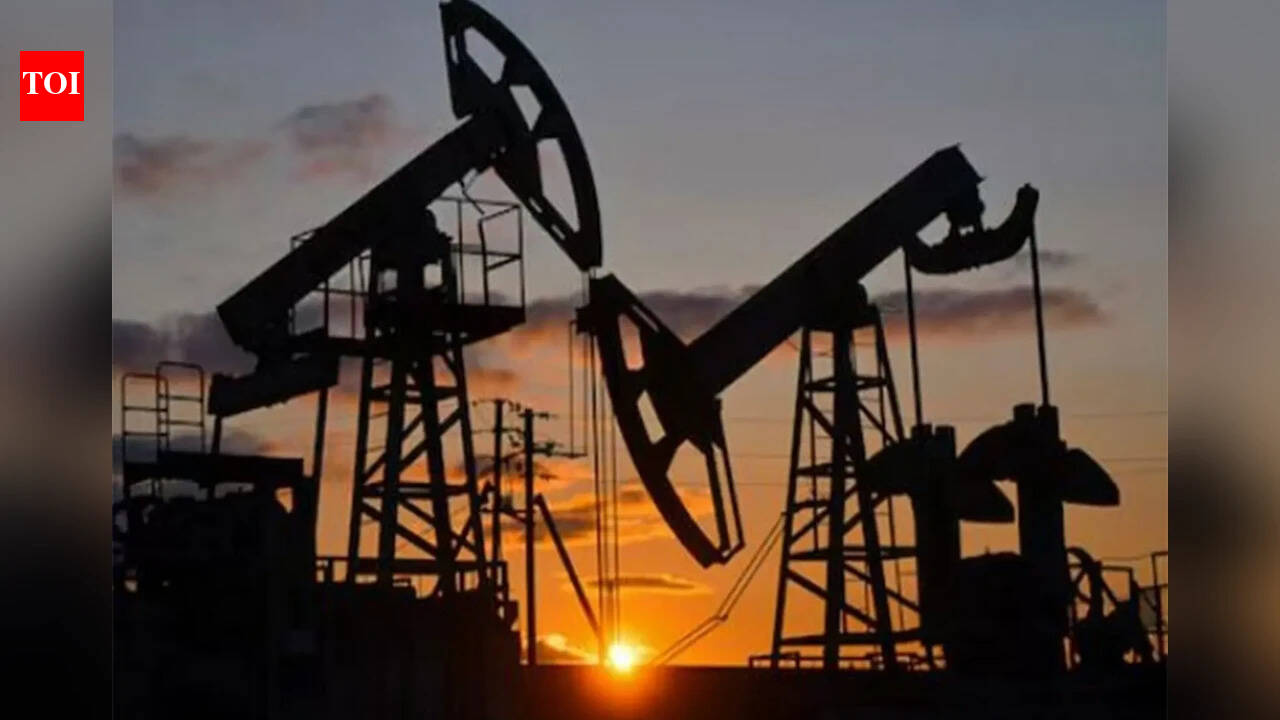
 Crude oil futures flat as US signals tougher economic pressure on Iran
Crude oil futures traded flat on Friday after the US signalled it could maintain a naval blockade of Iran indefinitely and intensify economic pressure. October Brent slipped 0.01% to $87.06, while September WTI rose 0.06% to $81.30, with MCX crude contracts trading lower. US Treasury Secretary Scott Bessent said more announcements are coming next week.
 Commodities
 Oil prices today: Crude edges higher as US-Iran tensions revive supply concerns
Oil prices edged higher on Friday as the US threatened to maintain a naval blockade of Iran indefinitely, reviving supply concerns. Brent rose 0.1% to $87.16 a barrel, while WTI gained to $81.29, although weaker demand forecasts and rising US inventories capped upside. OPEC and the IEA lowered demand growth forecasts this week, and US crude inventories posted their largest weekly rise in over 3.5 years.
 Commodities
 Russia now supplies more than half of India's crude oil imports, GTRI says
Russia accounted for 52% of India's crude oil imports in July 2026, up from 48.6% in June, according to GTRI. The report says the shift sharply limits India's ability to reduce Russian purchases at short notice, even as the US threatens tariffs of up to 100% on Russian energy.
 Commodities
 India seeks more US LPG to cut West Asia reliance, aid trade deal
India has directed Indian Oil Corp., Bharat Petroleum Corp. and Hindustan Petroleum Corp. to source at least 15% of 2027 LPG imports through US term contracts, according to Bloomberg. The move follows the country's first US term deals of 2.2 million tons and record US shipments of 3.9 million tons this year. LPG consumption fell 16% year-on-year to 2.35 million tons last month as Strait of Hormuz disruptions triggered shortages.
 Logistics
 Golar LNG orders fourth FLNG unit at CIMC Raffles as it exits LNG carrier shipping
Golar LNG has ordered a fourth MKII FLNG from CIMC Raffles for about $2.45bn, lifting its controlled liquefaction capacity 41% to more than 12 mtpa. The unit is due by end-2029, following a first MKII unit that starts a 20-year charter with Southern Energy off Argentina in 2028. Golar also sold its last LNG carrier in early 2025, exiting LNG shipping after 50 years.
 Commodities
 US Gulf of Mexico Lease Sale BBG3 Rebounds but Still Far Short of 2025 Record
The third Big Beautiful Gulf lease sale yielded $82.7m in high bids for 59 blocks, rebounding from March's weak result but still less than a third of the December 2025 record. The Marine Minerals Administration said bidding remained highly selective, with 16 companies focusing on a narrow set of prospects, while the Trump administration faces pressure over oil prices linked to the war in Iran.
 Commodities
 HPCL buys 4 million barrels of West Asian crude through spot tender, traders say
HPCL has bought 4 million barrels of West Asian crude through a spot tender, with BP supplying 2 million barrels of Murban, PetroChina 1 million barrels of Murban, and Trafigura 1 million barrels of Oman crude, according to Reuters. Murban delivered was priced about $7 per barrel above dated Brent, while Oman was about $4-5 above. The cargoes are scheduled to arrive around early October.
 Commodities
 Crude oil futures fall as OPEC, IEA predict decline in demand in 2026
Crude oil futures fell on August 13, 2026 as OPEC and IEA both revised 2026 demand forecasts downward, with October Brent at $88.55 (down 0.48%) and September WTI at $82.76 (down 0.61%). The IEA projects a 1.6 million barrel-per-day decline in 2026 demand, citing the Strait of Hormuz closure and elevated fuel prices.
 Commodities
 Oil Prices Slip as OPEC Cuts 2026 Demand Forecast; Iran War Keeps Supply Risks Alive
Oil prices slipped more than $1 on Thursday as OPEC cut its 2026 global demand growth forecast to 580,000 bpd and the IEA lowered its consumption outlook, while US crude inventories posted their biggest weekly build since January 2023. Brent fell 0.92% to $88.16/bbl and WTI fell 1.07% to $82.38/bbl. Middle East supply risks from attacks on shipping in Hormuz and Bab el-Mandeb and stalled Iran-US talks kept the downside limited.
 Technology
 Power ministry urges states to accelerate smart meter installation amid RDSS lag
India's power ministry has directed all states and union territories to accelerate smart meter installation, clarifying that the mandate is independent of prepaid or postpaid billing configuration. RDSS data cited by Business Today show 5.7 crore of 20.3 crore approved meters installed as of June 30, while total functional meters exceed 7.2 crore.
 Commodities
 Parliament panel questions rising oil and gas capex as India's crude output set to fall
A parliamentary committee has questioned why rising capital expenditure in India's oil and gas sector is not translating into higher production. Domestic crude output is projected to fall to 28.7 MMT in 2024-25 from 34.2 MMT in 2018-19 despite PSU capex rising from Rs 1.3 lakh crore to Rs 1.7 lakh crore.
 Commodities
 India’s planned coal mining capacity nearly doubles to 638 mtpa in 2025
India's proposed coal mining capacity nearly doubled to 638 mtpa in 2025, accounting for almost all growth in the global coal project pipeline, according to Global Energy Monitor. The expansion supports New Delhi's output targets but carries demand-side risks as the IEA forecasts coal demand will plateau by 2030.
 Commodities
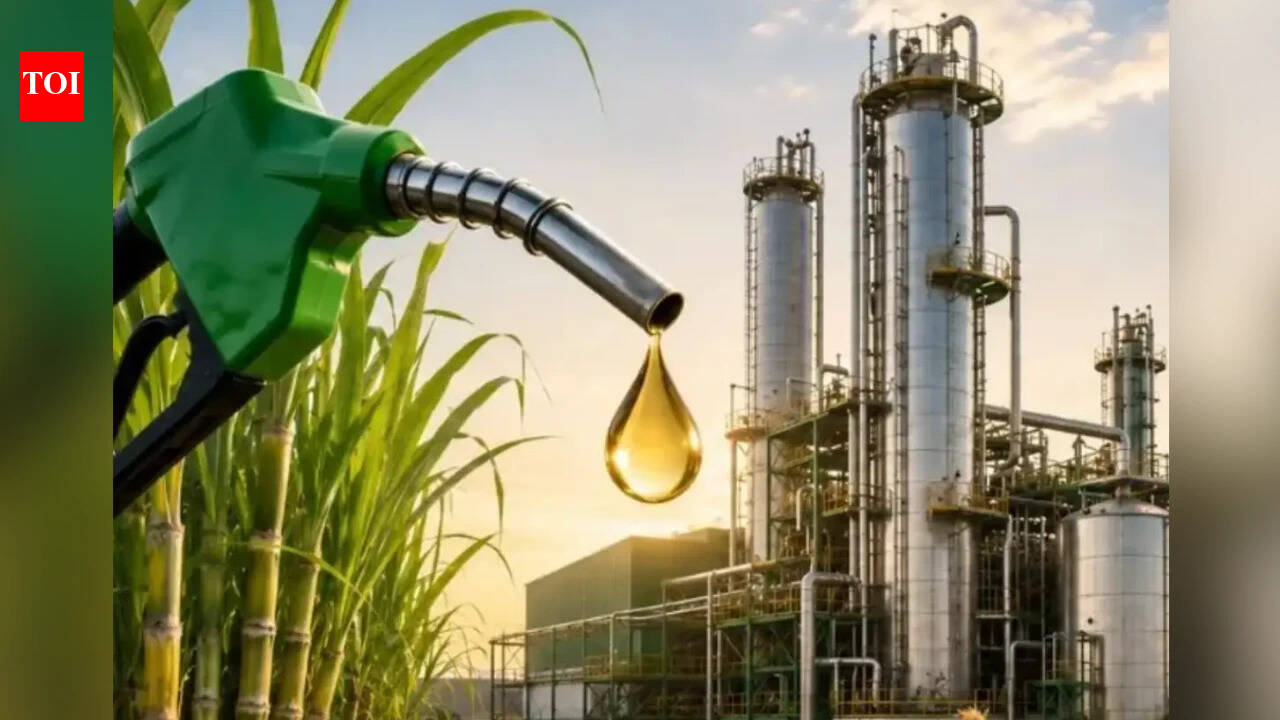
 Why Global Diesel Prices Are Soaring: War, Hurricanes & Drone Attacks
Wholesale diesel prices have climbed to roughly $180 a barrel, with Gulf Oil's Tom Kloza warning that a US Gulf hurricane could push them past $200. Drone strikes on refineries in Russia, Saudi Arabia and Libya have tightened an already short global refining market, while record US distillate exports and EIA-linked fuel surcharges add to the strain, according to FreightWaves.
 Commodities
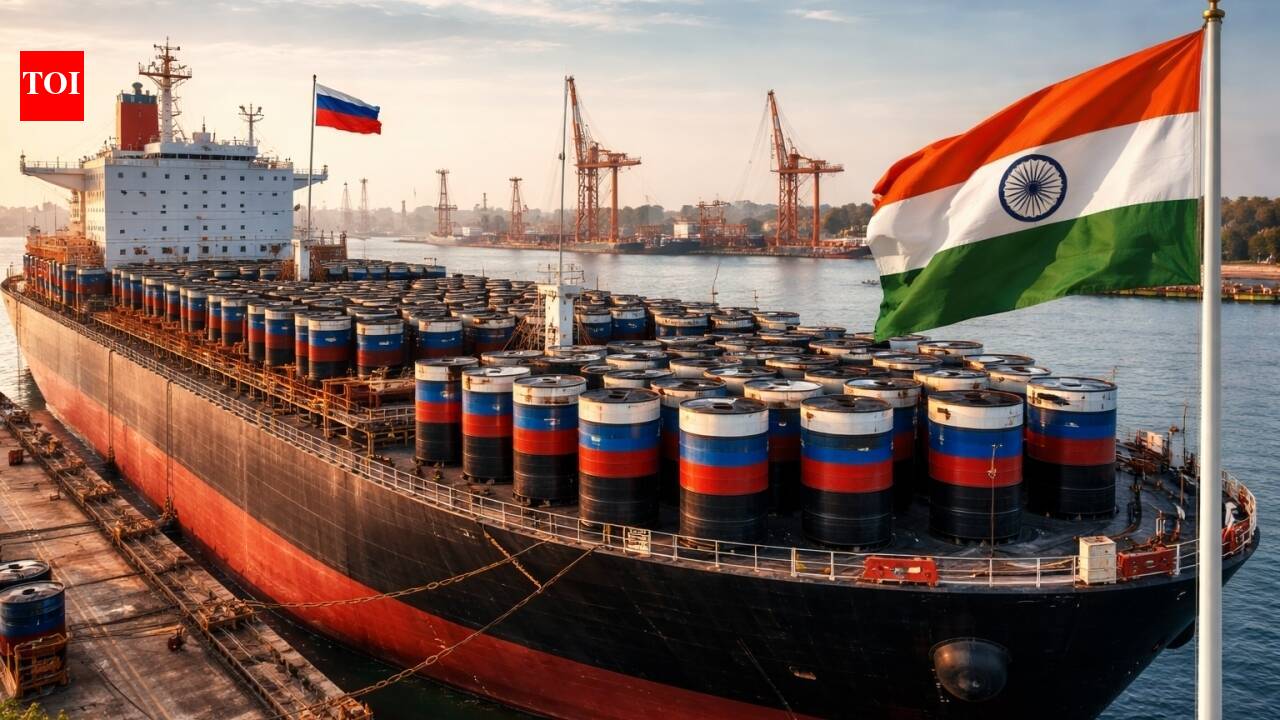
 Ethanol supplies cross 800 crore litres: Why India's next challenge is demand
India's cumulative ethanol supplies crossed 800 crore litres in ESY 2025-26, according to AIDA data. Grain-based feedstocks, led by maize and surplus FCI grains, now account for 76% of July supplies, while sugarcane-based ethanol's share slipped to 24%. AIDA says the next challenge is creating enough demand for expanded capacity through higher blending and flex-fuel vehicles.
 Commodities
 Russia Buys Gasoline from India for First Time as Refinery Strikes Bite
Russia has imported gasoline from India for the first time, according to Kpler data cited by Bloomberg, as Ukrainian attacks on refineries cut domestic supply. Nayara Energy Ltd, backed by Rosneft, is supplying the fuel from its Vadinar refinery, with shipments routed via ship-to-ship transfers off Egypt's coast. Analysts say the flows highlight the severity of Russia's domestic gasoline imbalance.
 Logistics
 UAE's Adnoc offers shuttle service for Iraqi oil exports through Strait of Hormuz
According to Bloomberg, Adnoc is offering to shuttle Iraqi oil exports through the Strait of Hormuz using dark-transit tactics. Iraq's SOMO has cut Basrah Medium prices by $25–$27 a barrel for Hormuz-bound volumes, while exports jumped to about 2 million bpd this month.
 Commodities
 HPCL, MRPL seek up to six million barrels of crude, documents show
State-run Indian refiners HPCL and MRPL are seeking up to a combined 6 million barrels of crude through spot tenders, with HPCL targeting up to 4 million barrels for September–October and MRPL up to 2 million barrels for October 10–20. MRPL's tender asks suppliers to avoid the Red Sea and Strait of Hormuz, while shipping traffic through the strait remains low amid West Asia hostilities.
 Commodities
 Drone Strikes Put Libya's Zawiya Oil Hub at Risk as NOC Warns of Force Majeure
Repeated drone attacks on Libya's Zawiya oil complex have hit fuel storage, a naphtha tank and power infrastructure, according to Splash247. NOC warns continued strikes could force a halt at the 120,000 bpd Zawiya refinery and trigger force majeure. The complex is connected to the 300,000 bpd Sharara oilfield, adding risk to Mediterranean crude and product trades.
 Commodities
 Oil Rises on US-Iran Deal Doubts as Supply Concerns Intensify
Oil prices rose on Wednesday as doubts over a US-Iran peace deal and ship attacks in the Strait of Hormuz and Bab el-Mandeb stoked supply concerns, according to Reuters. Brent climbed 0.84% to $89.66 a barrel and WTI rose 0.87% to $83.92, despite API data showing a 9.1 million barrel build in US crude inventories. The EIA expects 600,000 bpd of Middle East supply disruptions to persist through 2027.