German ambassador to India Philipp Ackermann said that Germany could emerge as one of the buyers of Indian green hydrogen in the coming years, signaling a potential shift in energy trade dynamics. Speaking at the Indo-German Industries Dialogue organised by the Indo-German Chamber of Commerce, Ackermann stated, "I think India in a couple of years will be an energy exporter... I think Germany might be a country that is a client of this green hydrogen in the future," according to a report by Times of India.
Green hydrogen partnership deepens
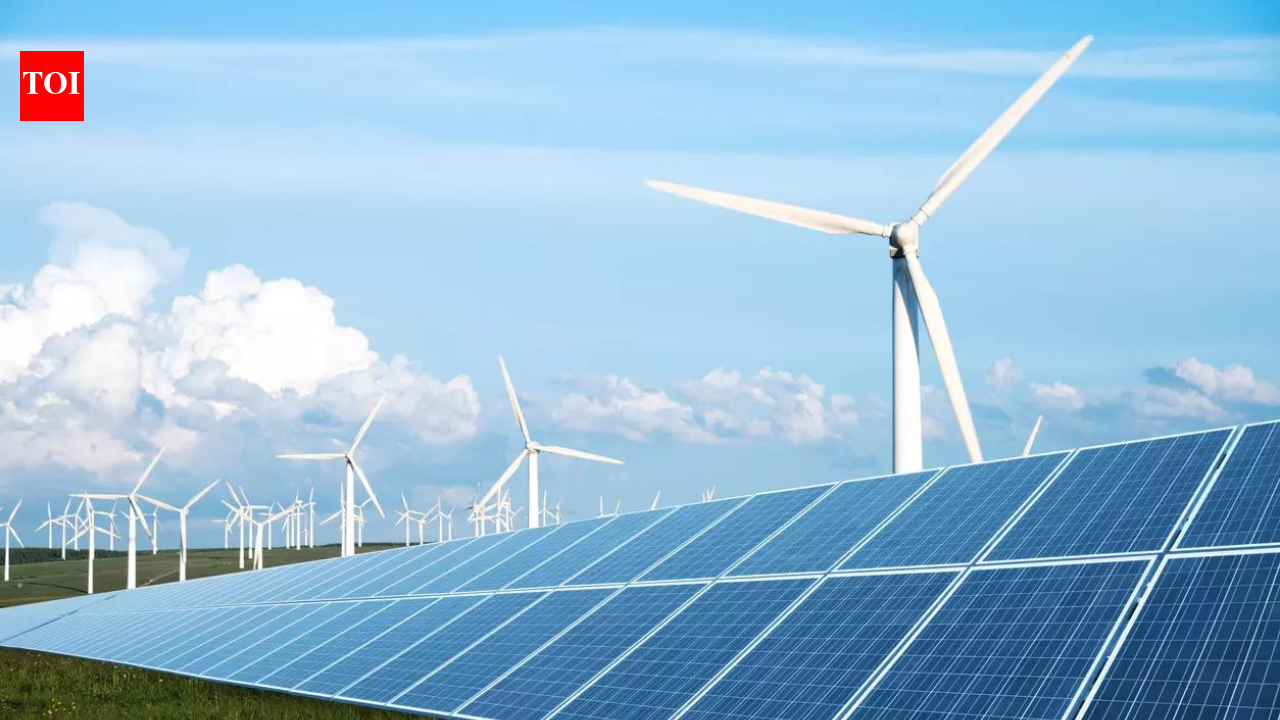
The ambassador said the two countries were already working together to deepen cooperation in hydrogen technologies, with discussions moving towards concrete projects. "I understand that our ministry now is working together with India on hydrogen in a very concrete way," he said, according to the source. Sharing his visit to the Adani Group's renewable energy project in Kutch, Gujarat, Ackermann noted the scale of India's renewable generation. "They created there the incredible amount of electricity they can generate through this solar and wind field. They have very ambitious plans about green hydrogen," he said.
Supply side: electrolyzer localization
A key aspect of the partnership is the memorandum of understanding between ThyssenKrupp and Bharat Heavy Electricals Limited (BHEL) to advance the localisation of alkaline water electrolyzer technology. Ackermann emphasized the importance of combining electrolysis technology with local engineering and manufacturing to support green hydrogen projects, according to the source. This localization effort is expected to strengthen India's capability to produce green hydrogen for export.
Demand side: Germany as a future buyer
Ackermann's statement that "Germany might be a country that is a client of this green hydrogen" positions Germany as a potential demand center for Indian-produced green hydrogen. While no specific volumes or pricing were mentioned, the ambassador's remarks underline Germany's interest in sourcing green hydrogen as part of its energy transition. The ambassador described Prime Minister Narendra Modi as an "extremely forthcoming" and "extremely engaged" partner, adding, "We see the Prime Minister as a very strong friend of Germany."
Trade and policy catalysts
Beyond hydrogen, Ackermann described the proposed India-EU Free Trade Agreement (FTA) as "maybe the biggest game changer for German businesses in India." He expressed hope that the agreement would be signed by the end of this year and implemented in the first half of next year. He noted that Germany is India's largest trading partner in Europe, with annual bilateral trade exceeding $50 billion. On the proposed submarine deal, Ackermann said, "I am very hopeful and confident that it will be signed very soon, in the next month maybe."
Future collaboration areas
Ackermann identified AI, semiconductors, digital manufacturing, and Industry 5.0 as the next major areas of collaboration. Referring to the AI Summit held in New Delhi earlier this year, he said India and Germany had agreed to deepen digital cooperation through a bilateral AI pact, combining India's AI and software capabilities with Germany's industrial strengths.
| Hydrogen Collaboration Element | Details |
|---|---|
| Key companies | Adani Group, ThyssenKrupp, BHEL |
| Technology | Alkaline water electrolyzer localisation |
| Project location | Kutch, Gujarat (Adani renewable project) |
| End-use | Green hydrogen for potential export to Germany |
For commodity analysts tracking the hydrogen economy, this diplomatic signal points to a nascent trade flow that could develop over the next few years. While no price data was provided, the involvement of major industrial players and the push for an FTA suggest that Indian green hydrogen could become a traded commodity with Germany as a key buyer.
Sources: