Oil prices eased on Tuesday as investors awaited the outcome of US-Iran talks in Doha, with Brent crude falling to $72.54 per barrel and WTI crude dipping to $70.23. According to Business Today, Brent declined 0.61 or 0.83%, while WTI dropped 0.52 or 0.73%. The move extends last week's 10.6% slide across benchmarks, triggered by a rise in crude shipments through the Strait of Hormuz to their highest level since the US-Israeli war on Iran began in late February.
Diplomatic Maneuvering and Mixed Signals
The Doha talks represent a key test of the June 17 interim peace deal that paused fighting and, according to Business Today, disrupted global oil flows via the Strait of Hormuz. US President Donald Trump said, “The meeting in Doha is going to be perhaps important, perhaps not. We're going to find out.” He added that Iran had requested the meeting and that discussions were planned for Tuesday.
However, Tehran's messages have been contradictory. Iranian deputy foreign minister Kazem Gharibabadi said on state television that Iranian and Omani experts would begin talks on revising transit routes through the Strait of Hormuz, and that Iran would seek to restrict vessels outside designated paths. Yet foreign ministry spokesperson Esmaeil Baghaei stated that no negotiations at any level with the United States are scheduled in the coming days. Israel, the third country in the conflict, has not taken part in the discussions and distanced itself from the agreement, Business Today reported.
Supply Side: Recovery in Gulf Flows
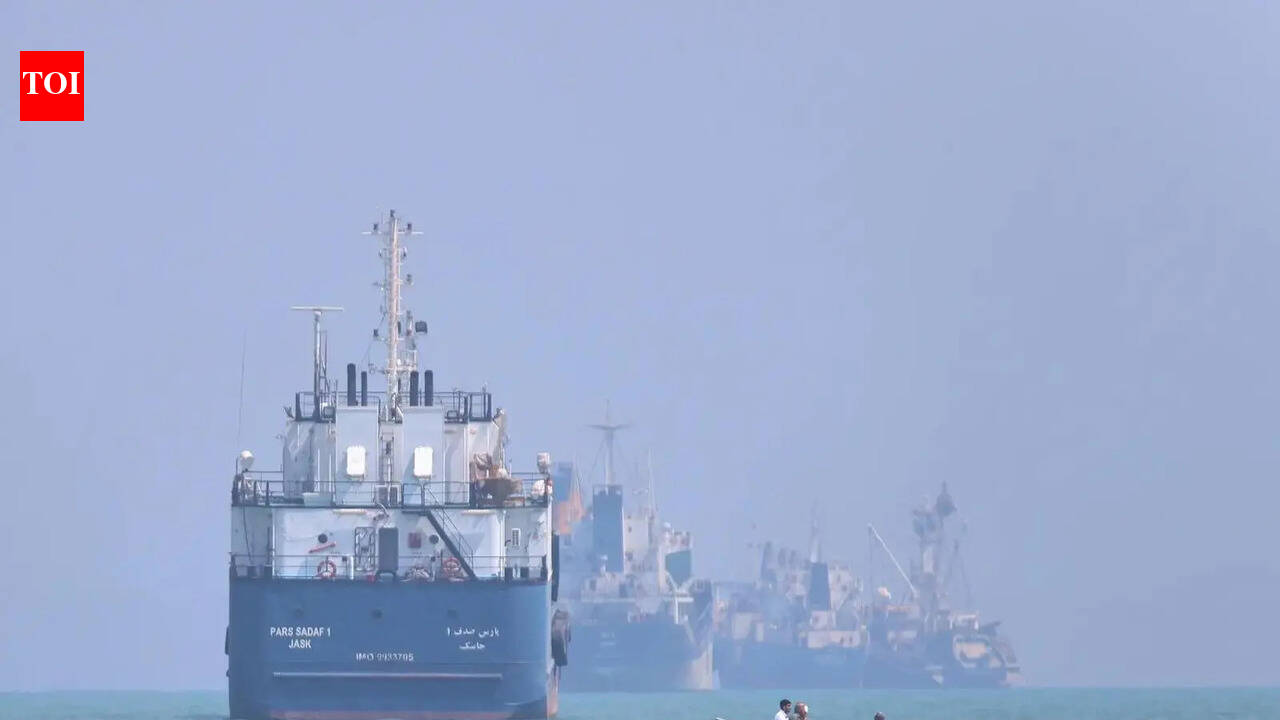
Despite renewed attacks on ships in the Strait of Hormuz and recent exchanges of strikes between US and Iranian forces, Middle Eastern producers continue loading oil and LNG cargoes, according to shipping data cited by Business Today. Analysts at Goldman Sachs noted in a June 29 report that Gulf oil flows could be recovering steadily. “Assuming Persian Gulf flows continue to recover at the same average pace as over the last two weeks... Gulf flows could return to pre-war levels of 23 million barrels per day already by early July,” the report said. It added that shipping traffic last week reached its highest level since the conflict began at the end of February.
| Benchmark | Current Price | Daily Change | Last Week Change |
|---|---|---|---|
| WTI Crude | $70.23/bbl | -$0.52 (-0.73%) | -10.6% |
| Brent Crude | $72.54/bbl | -$0.61 (-0.83%) | -10.6% |
Market Sentiment and Analyst Views
Market sentiment is being shaped by expectations around diplomacy and supply routes. Tim Waterer, chief market analyst at KCM Trade, told Reuters, “Investors are pricing in hopes of a positive outcome from the Doha talks, even though real normalisation of flows through the Strait of Hormuz is not yet visible.” He added, “The market is cautiously hopeful but still hedging its bets until we see more tangible signs of de-escalation.”
Price Outlook
Oil markets have now eased to pre-war levels near $70 per barrel, according to Business Today, after over 100 days of prices soaring beyond the $100 mark. The Goldman Sachs projection suggests that if recovery continues at the current pace, Gulf flows could normalize quickly. However, the fragility of the June 17 deal and the mixed diplomatic signals from Iran keep risks elevated. Market participants will be watching for concrete outcomes from the Doha talks and any further developments regarding Strait of Hormuz transit restrictions.
Sources: