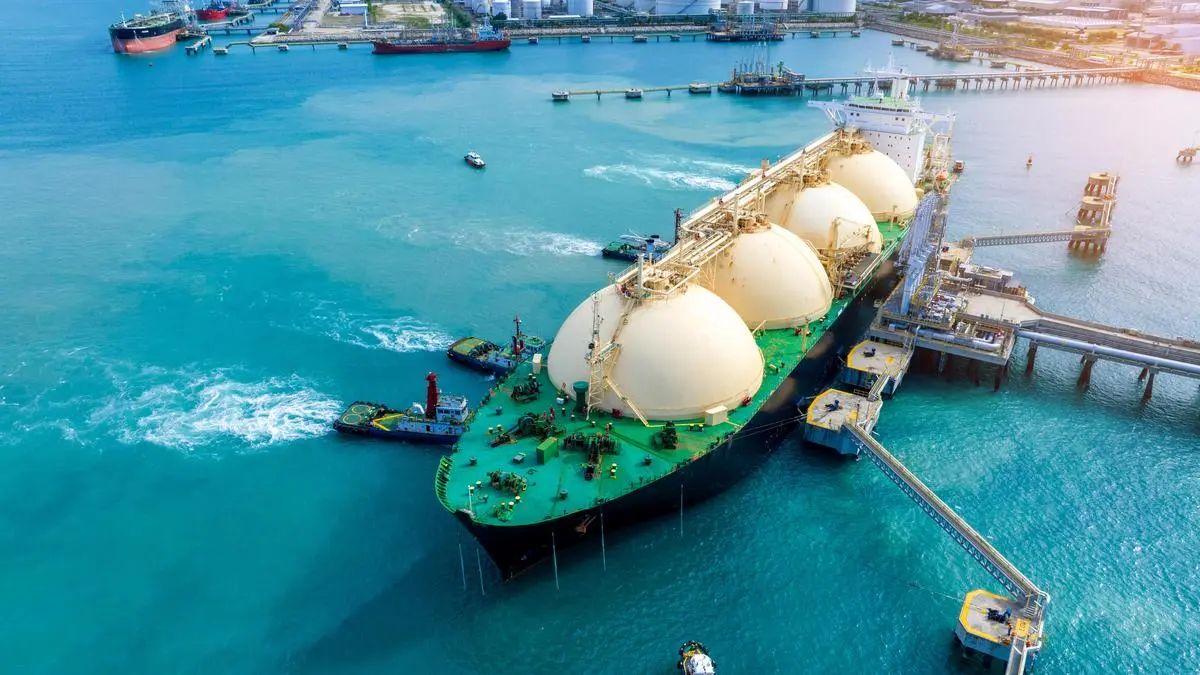
Pakistan has executed a sharp U-turn in its energy procurement strategy, rushing into the spot LNG market after weeks of abstention, as disruptions to Qatari exports through the Strait of Hormuz intensify supply tightness. According to a tender seen by Bloomberg, state-owned Pakistan LNG issued an "urgent request" for an LNG cargo for delivery between June 30 and July 4 from BP Plc at $16.74 per million British thermal units on Monday. On the same day, Asia’s spot LNG prices were trading in the $15s per million Btu, traders said.
Growing Unpredictability in the Strait of Hormuz
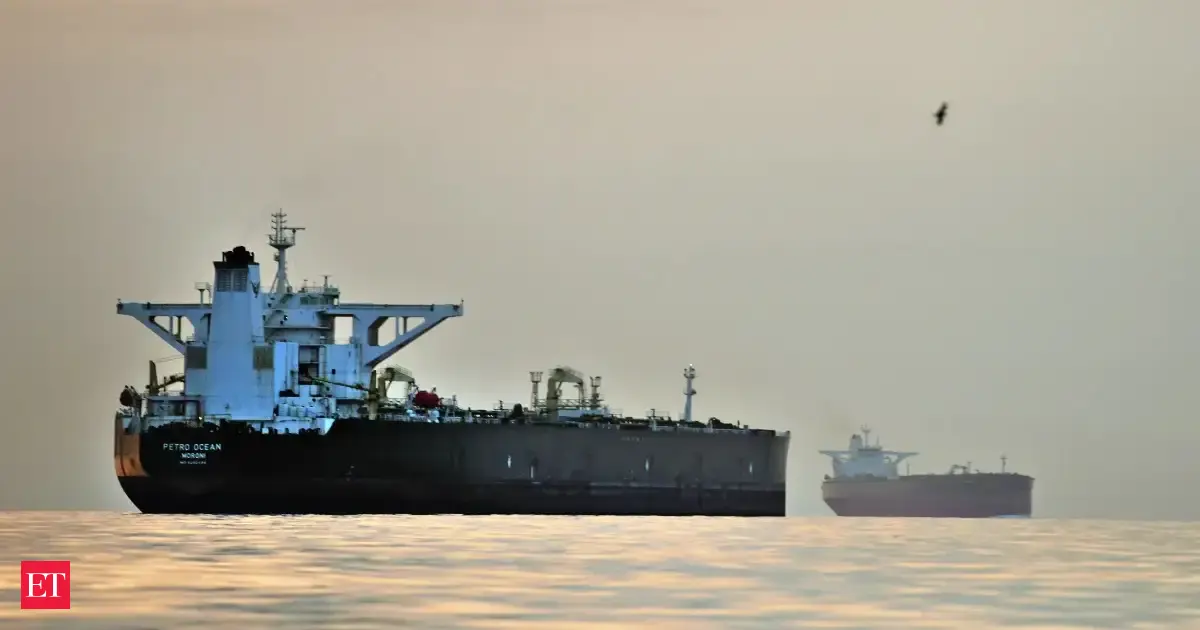
The move underscores the mounting vulnerability of LNG shipments transiting the Strait of Hormuz, a critical chokepoint for around one-fifth of global LNG flows, according to the source. Pakistan’s energy procurement has been under pressure since regional tensions disrupted supplies from Qatar, its main LNG supplier, forcing repeated reliance on spot market purchases in recent months. The strain deepened after a vessel carrying Qatari oil was attacked in the Strait of Hormuz on Saturday, days after a Singapore-flagged container ship was also hit. Following these incidents, ship data suggests Qatar’s LNG exports through the waterway have effectively halted, tightening supply conditions for import-dependent buyers like Pakistan.
From Strategic Holdout to Emergency Buyer
While other countries moved quickly to lock in energy supplies amid the Middle East crisis, Islamabad initially held back, skipping urgent LNG purchases and betting that disruptions in the Strait of Hormuz would ease in the near term. Bloomberg reported that Pakistan LNG Ltd did not award an emergency tender for two LNG cargoes required for May delivery, which closed earlier that month. That gamble has now unravelled.
The latest purchase comes against a backdrop of earlier supply interruptions and soaring import costs. A previously cancelled Qatari shipment, disrupted by escalating tensions in the Strait of Hormuz, forced Pakistan LNG Ltd. to turn to emergency spot tenders. In one such deal, LNG was bought at $19.1337 per million British thermal units from BP Plc, the highest price Pakistan has paid since 2022, according to traders. That purchase also marked only the second time Pakistan re-entered the spot LNG market in around two years, after first doing so in April.
Supply Side: Qatar Exports in Limbo
Pakistan remains heavily dependent on Qatar for LNG imports. However, ongoing disruptions have pushed inbound shipments well below normal levels, even though some cargoes have continued to pass through the Strait of Hormuz under temporary arrangements. Shipping data points to a sharp decline in LNG arrivals compared with previous years, adding strain to an already stretched domestic energy system. The Strait of Hormuz remains central to global energy flows, handling roughly a fifth of the world’s LNG trade, but ongoing instability — even intermittent ceasefire efforts — has kept shipping routes fragile and uncertain.
Demand Side and Economic Spillover
Rising import costs have added to broader economic pressure in Pakistan. The country’s consumer price index rose 11.7% year-on-year in May, compared with 10.9% in April, marking a two-year high. The increase has been driven in part by higher energy import costs. Public sector employee groups, including the All Government Employees Grand Alliance (AGEGA) Punjab, have called for relief measures ahead of the Federal Budget 2026-27, citing declining purchasing power.
| Metric | Value | Source |
|---|---|---|
| Urgent LNG cargo price (BP Plc) | $16.74/MMBtu | Bloomberg, traders |
| Asia spot LNG price (same day) | $15s/MMBtu | Traders |
| Previous emergency cargo price (BP Plc) | $19.1337/MMBtu | Traders |
| Pakistan CPI May YoY | 11.7% | Source article |
| Pakistan CPI April YoY | 10.9% | Source article |
The wider Middle East tensions have continued to weigh on global energy markets, with LNG and oil supplies facing repeated disruptions. For commodity traders and procurement teams, Pakistan’s emergency purchase at a premium to spot highlights the persistent risk premium embedded in LNG cargoes sourced from or passing through the Strait of Hormuz. The cancellation and subsequent re-entry suggest that buyers relying on long-term Qatari contracts may face further shortfalls, keeping spot premiums elevated for import-dependent Asian buyers.
Sources: