According to Business-Today, a parliamentary committee has questioned whether rising capital expenditure in India’s oil and gas sector is translating into higher domestic production, noting that crude oil output has continued to decline despite a sharp increase in investments.
The committee on public undertakings, in an action taken report tabled in Parliament on Thursday, flagged that capital expenditure by petroleum and natural gas public sector undertakings (PSUs) rose from Rs 1.3 lakh crore in 2020-21 to a projected Rs 1.7 lakh crore in 2024-25. Domestic crude oil production is expected to decline to 28.7 million metric tonnes (MMT) in 2024-25 from 34.2 MMT in 2018-19, Business-Today reported.
Capex vs. output: the key numbers
| Metric | 2018-19 / 2020-21 | 2024-25 (projected) |
|---|---|---|
| PSU capital expenditure | Rs 1.3 lakh crore (2020-21) | Rs 1.7 lakh crore |
| Domestic crude oil production | 34.2 MMT (2018-19) | 28.7 MMT |
The panel observed that the ministry’s reply listed several policy initiatives but did not adequately explain whether the increased spending was translating into higher output, according to Business-Today. Describing the response as interim, it sought a comprehensive report on the production gains expected from newly awarded exploration blocks and major capital investments over the medium term.
Ministry’s exploration push
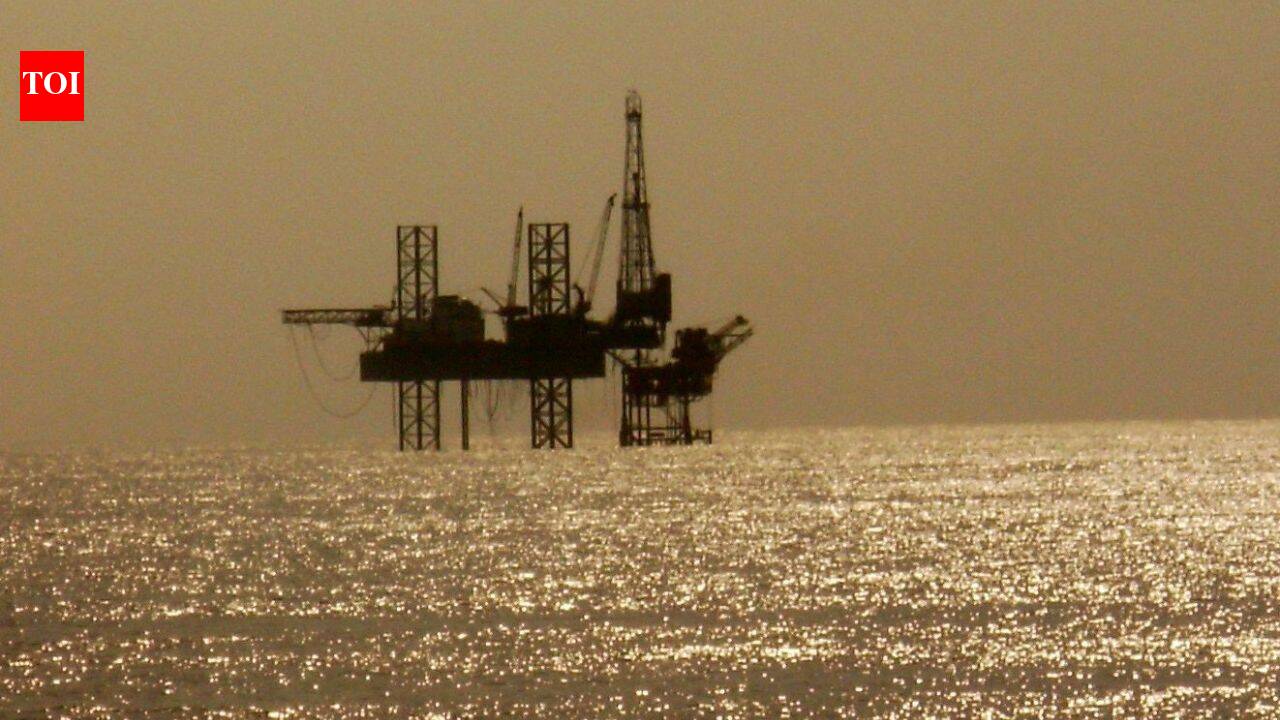
The observations come weeks after the Centre approved the Rs 84,000 crore Samudra Manthan national offshore exploration scheme to step up deepwater oil and gas exploration and reduce India’s dependence on imported crude, Business-Today reported.
In its reply, the petroleum ministry highlighted a series of measures to boost domestic exploration and production:
- 38 offshore exploration blocks were awarded under Open Acreage Licensing Policy (OALP) Rounds VIII and IX over the past three years.
- OALP Round X, launched in April, offered another 25 blocks covering nearly 1.9 lakh sq km.
- Nearly 1 million sq km of offshore “no-go” areas were released for exploration.
- About Rs 7,500 crore was allocated for seismic surveys and stratigraphic drilling.
- Fiscal incentives were introduced to encourage enhanced oil recovery from mature fields.
Import dependence and accountability
With India importing nearly 90% of its crude oil requirement, the panel said it was important that higher investments result in measurable gains in domestic production. While acknowledging that exploration projects have long gestation periods and that mature oilfields naturally witness declining output, the panel said such investments should be backed by clear performance benchmarks, periodic evaluation and accountability mechanisms.
“The real returns on these massive investments must reflect in reversed production curves - changing the trajectory of oil or gas output from a period of continuous decline to a period of growth or stabilisation,” the report said.
The committee has asked the petroleum ministry to submit a detailed report explaining how recent exploration reforms and newly awarded blocks will help raise production, according to Business-Today. For global crude suppliers and commodity analysts tracking Indian import demand, the ministry’s forthcoming report will be a key data point for assessing whether India’s domestic supply base can stabilise after years of decline.
Sources: