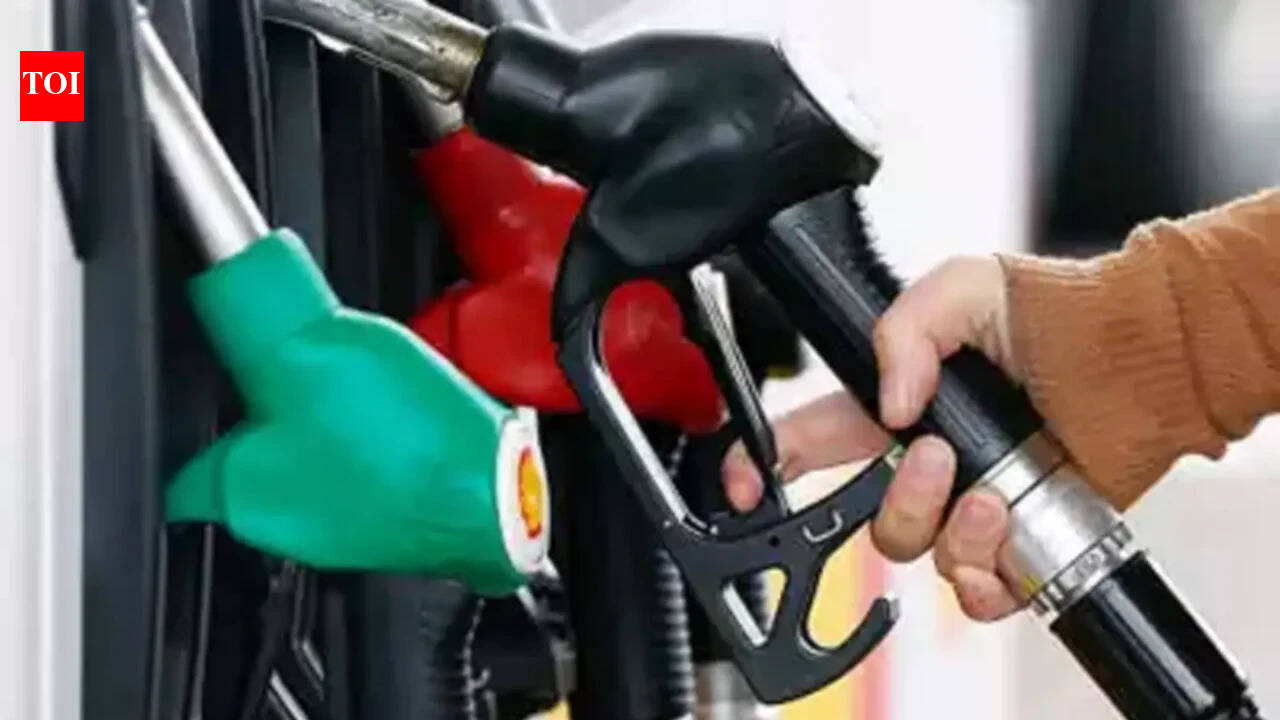
The Indian Sugar & Bio-Energy Manufacturers Association (ISMA) has renewed its demand for the government to allow ethanol distilleries to set up dedicated E100 fuel dispensing stations, arguing that the move is critical for scaling up flex-fuel mobility and easing the financial stress facing the ethanol industry, according to a report by The Hindu BusinessLine.
The push for E100 infrastructure
In a letter to the Ministry of Petroleum and Natural Gas last month, ISMA sought permission for the “installation of dedicated E100 dispensing infrastructure” co-located with sugar biorefineries. The proposal was first made in February 2023 but the government is yet to take a decision, industry sources said. ISMA has urged the Centre to put in place a strategic policy framework for E100, a standalone hydrous ethanol fuel used in flex-fuel vehicles, along with a Bureau of Indian Standards (BIS) specification for automotive use.
ISMA Director General Deepak Ballani said in the letter that hydrous E100, widely used in Brazil for over four decades, is a low-carbon, domestically produced transport fuel that can enhance energy security while reducing dependence on fossil fuels. Experts say allowing ethanol-only dispensing stations would eliminate the need to transport ethanol to fuel depots for blending with petrol, simplify the supply chain and reduce logistics costs, potentially making E100 up to 30-35% cheaper than current E20 fuel.
Supply-side pressures and excess capacity
The demand comes as ethanol distilleries grapple with excess capacity. According to the report, the industry has created production capacity of around 2,000 crore litres, while oil marketing companies require only about 1,100-1,200 crore litres annually to achieve the 20% ethanol blending target. With procurement slowing, some distilleries have already approached courts over lower offtake by OMCs.
Government caution and industry dynamics
The government has been treading cautiously amid concerns over the E20 blending programme. On July 4, it asked automobile manufacturers to explain the benefits of E20 fuel after complaints about reduced mileage. While the industry defended the programme, it acknowledged that E20 results in some loss of fuel efficiency.
Industry experts also argue that the petroleum ministry faces an inherent conflict of interest in driving ethanol adoption because it oversees oil marketing companies, whose commercial interests remain tied to petroleum refining. ISMA’s proposal for ethanol-only pumps revives a long-pending request made after the ministry’s 2019 and 2021 guidelines permitted new fuel retailing entities and green-fuel dispensing, but without explicitly enabling standalone ethanol retail outlets sought by the sugar industry.
Implications for commodity stakeholders
For sugar and ethanol traders, the outcome of this push could significantly alter domestic ethanol demand dynamics. If E100 pumps are approved, it would open a new offtake channel for distilleries, potentially absorbing some of the 800-900 crore litres of excess capacity. This could support ethanol prices and reduce the financial distress currently prompting legal action. Conversely, continued delays may deepen the oversupply, pressuring sugar mills that have invested heavily in ethanol production. The policy decision also carries implications for India's energy security and its target of 20% ethanol blending, as E100 directly displaces petrol. Market participants should monitor the government's response and any BIS specification developments as key catalysts.
Sources: