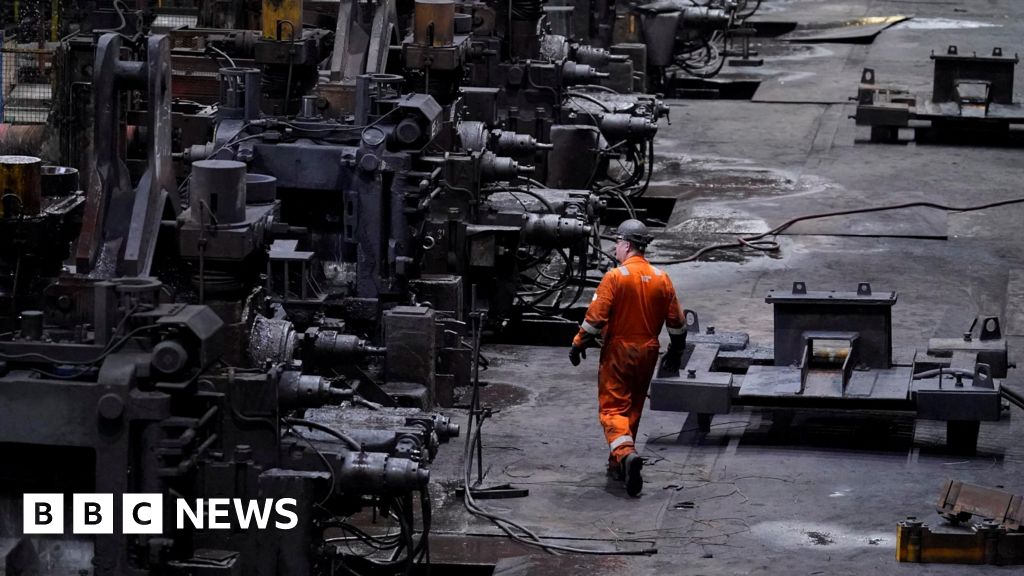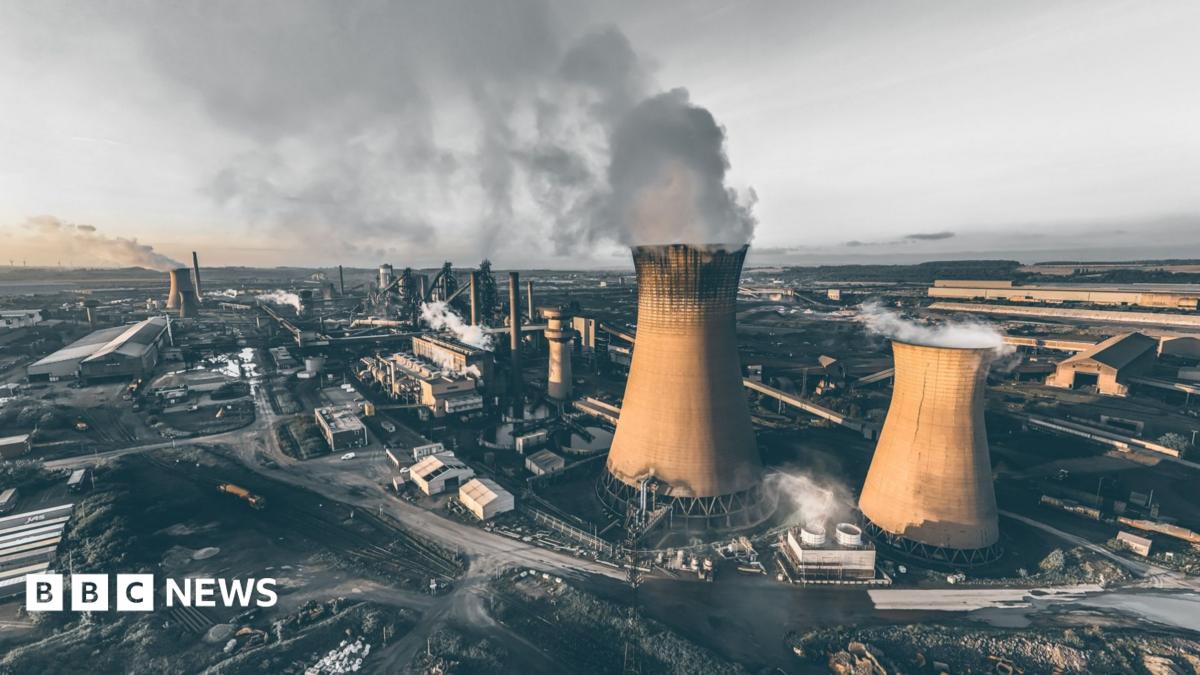
Powers to nationalise the steel industry have been passed by both houses in Parliament, according to BBC News. The House of Commons approved on Tuesday a number of amendments to the Steel Industry (Nationalisation) Bill made in the House of Lords. The King signed the bill into law on Wednesday, meaning Scunthorpe-based British Steel could now be brought under public ownership.
Government and Opposition Stances
Energy minister Chris McDonald told the Commons the government was "acting decisively and with a purpose in the national interest". He rejected criticism from shadow business secretary Andrew Griffith, who argued "nationalisation is a bad idea" and that the "real issue" for steel is Energy Secretary Ed Miliband's "addiction to ruinously high energy prices".
Compensation and Previous Interventions
Last year, Parliament passed special powers allowing the government to direct British Steel operations in Scunthorpe. This stopped its owner, Jingye, from closing blast furnaces, but the company remained privately owned. The Chinese company has said it had begun the process of seeking compensation for nationalisation, having previously claimed the business was losing £700,000 a day. However, the UK government has said it could limit or refuse compensation.
Local Political Reaction
North Lincolnshire Council leader councillor Rob Waltham said it was "significantly important" for Scunthorpe and the surrounding area but said more still needed to be done to secure its long-term future. "It's really welcome news because it gives a certain future for steel-making in Scunthorpe," he said. "It's a significant part of our local economy and British Steel is critically important to our nation's infrastructure. You don't build much without steel, you don't deliver much without steel and, certainly, you don't defend yourself without steel. Nationalisation is about securing the future of the steel industry as we see it now but the government will never have enough money to invest in what we will need to make sure we've got a sustainable steel industry going forward."
Commodity and Supply Chain Implications
For commodity traders and procurement teams, the nationalisation of British Steel removes immediate risks of plant closures and supply disruption from the Scunthorpe site. The UK government now controls a major domestic steel producer, which may influence long-term supply contracts and pricing stability. However, the ongoing compensation dispute with Jingye and the need for future investment—as highlighted by Councillor Waltham—means that the transition to public ownership may not immediately resolve all operational challenges. The steel industry remains exposed to energy costs and global competition, as noted by shadow business secretary Andrew Griffith.
Sources: