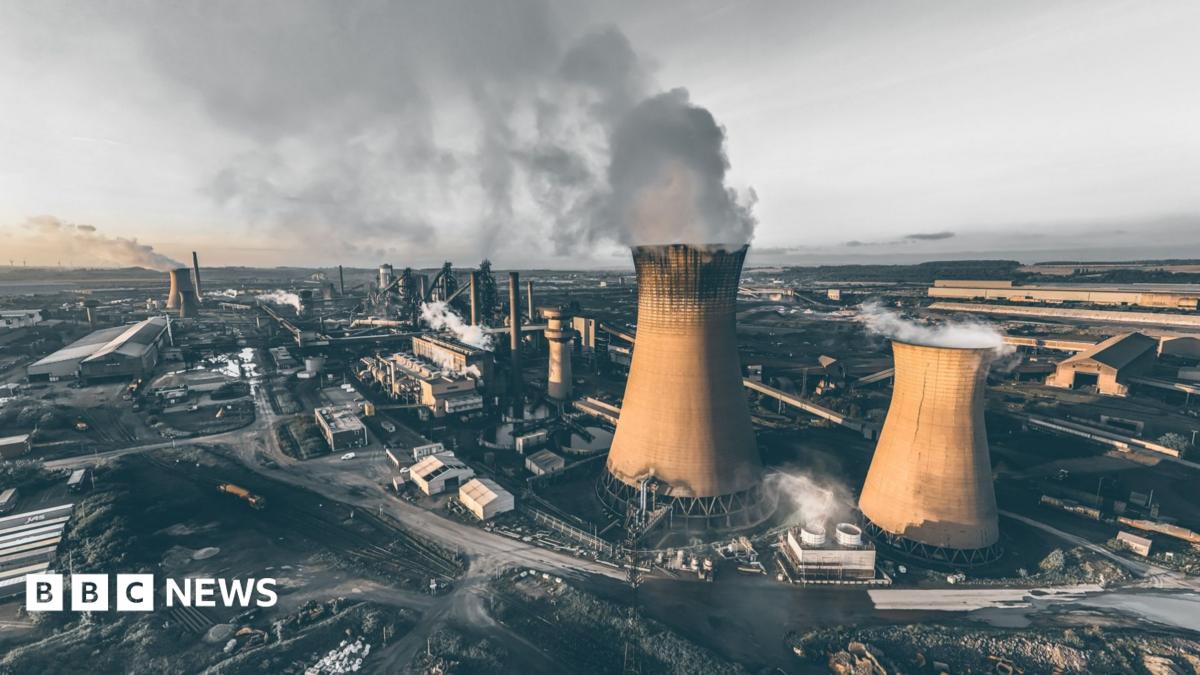
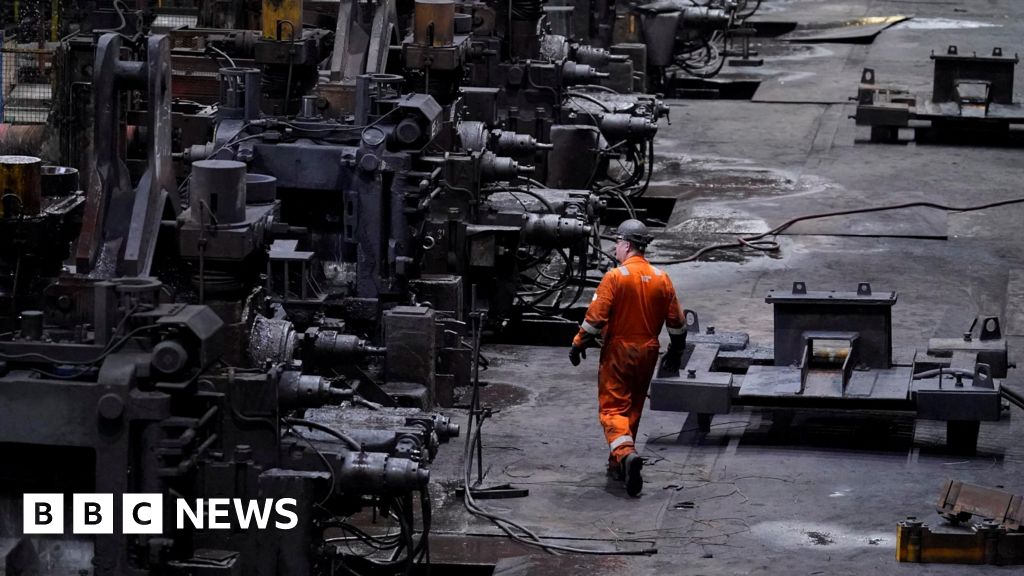
The UK government has brought British Steel under public ownership, according to BBC News, in a move to "protect UK steelmaking." The steelworks in Scunthorpe, which employs roughly 2,700 people and supports many other industries in north Lincolnshire, has been dogged by uncertainty over recent years. Prime Minister Sir Keir Starmer said: "Today's decision secures the future of steelmaking in the UK, protects skilled jobs and safeguards a vital national capability."
Nationalisation Under the Steel Act
On Wednesday, Parliament passed legislation allowing the government to bring the steel industry into public ownership under circumstances where it met a public interest test. A spokesperson for the Department for Business and Trade confirmed the government was "strongly minded" to use the new powers in the case of British Steel. "The Steel Act gives us powers to nationalise steel companies where it's necessary in the public interest, to protect a foundation industry that supports our critical national infrastructure, economy and defence," the department said in a statement, as reported by BBC News.
Financial Strain and Daily Losses
The UK government took control of British Steel operations in Scunthorpe last year, though it remained under the ownership of the Chinese firm Jingye Group. Jingye had previously said the business was losing £700,000 a day. Separately, in March, the National Audit Office released a report noting that the Scunthorpe steelworks was costing the government about £1.3m a day. The government had previously sought private investors to take control of the steel manufacturer, initially stopping short of full nationalisation.
Impact on UK Steelmaking Capability
The government seized control of the Scunthorpe plant in April 2025 after Jingye flagged the potential closure of the last two remaining blast furnaces. If the furnaces had been starved of fuel and gone out, the UK would no longer have had the capability to produce "virgin steel" because the process of restarting them would have been extremely difficult and costly. Virgin steel-making involves iron being extracted from its original source to be purified and treated to make all types of steel used in major construction projects, such as new buildings and railways.
Compensation and Ownership History
Jingye has said it has begun the process of seeking compensation for nationalisation. However, the UK government has said it could limit or refuse compensation. Jingye bought British Steel in 2020, one year after it was placed in compulsory liquidation by its previous owner, private equity group Greybull Capital. The nationalisation secures the continued production of virgin steel, a critical input for UK infrastructure, defence, and industrial supply chains.
Implications for Commodity Markets
For market participants tracking steel supply and industrial metals, the nationalisation removes near-term risk of a complete shutdown of British Steel's blast furnaces. The Scunthorpe plant is one of the few remaining UK sources of virgin steel, essential for large-scale construction and defence contracts. While commodity prices are not directly addressed in the source, the stability of domestic supply may influence UK scrap steel and semi-finished steel trade flows. Traders should monitor any further announcements regarding compensation and potential restructuring of operations under public ownership.