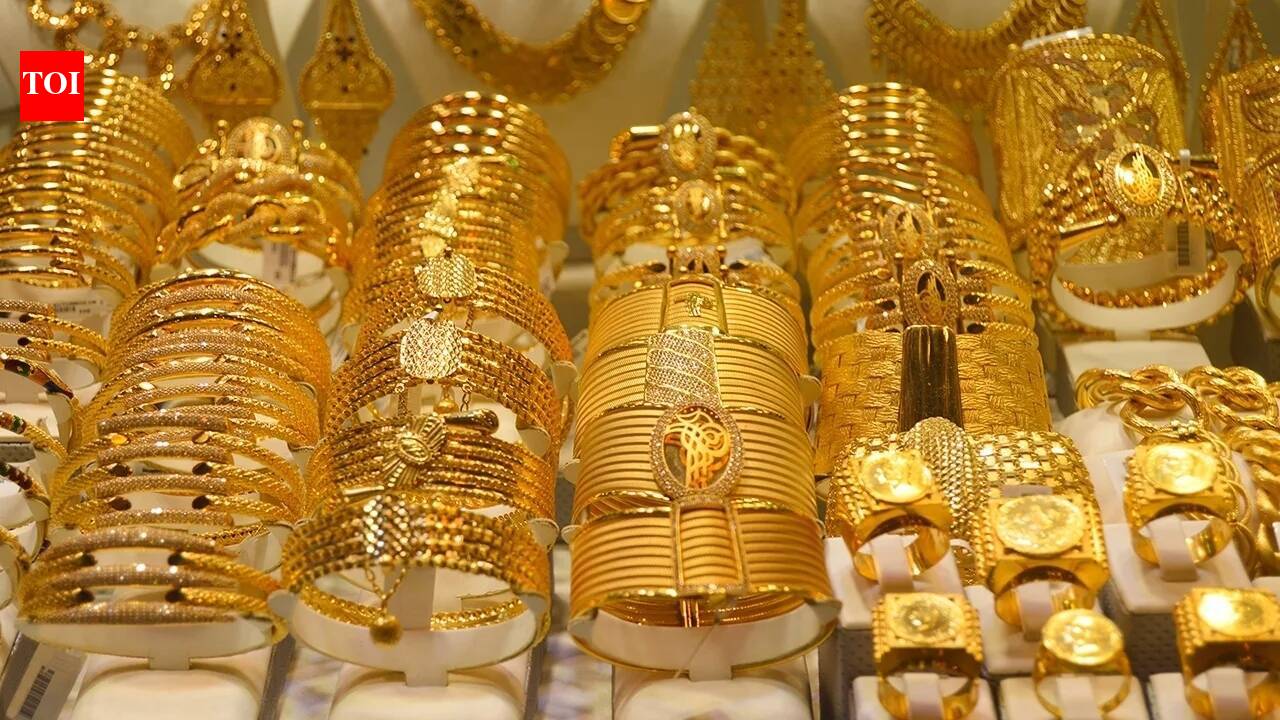
"Gold can become a key pillar of India’s growth story," said Sachin Jain, Regional CEO India of the World Gold Council (WGC), in an interview with The Hindu BusinessLine. The industry body has released a roadmap titled 'Swarna Bharat 2047', aligning the gold industry with the government’s Viksit Bharat 2047 vision of a $25-trillion economy. Even as gold prices remain elevated, The Hindu BusinessLine reported that Indian consumer demand for gold stayed stable, with June-quarter demand down 6% year-on-year but consumer spending jumping 50% to ₹1.98 lakh crore.
Gold demand, spending and import duty
According to The Hindu BusinessLine, an exceptional rally in gold over the past two years and early 2026 saw prices moderate in the second quarter, yet they remained elevated by 59% year-on-year. Consumer spending on gold rose 50% to ₹1.98 lakh crore in the June quarter, while physical demand slipped 6% year-on-year. To curb imports, the government raised the import duty on gold to 15% and appealed to consumers to reduce purchases.
| Metric | Value |
|---|---|
| June-quarter gold demand (year-on-year) | -6% |
| Consumer gold spending (year-on-year) | +50% to ₹1.98 lakh crore |
| Gold price vs year earlier | +59% |
| Import duty on gold | 15% |
| Annual gold imports | 700–800 tonnes |
| Annual value-added gold exports | ~100 tonnes |
| Potential exports in 5–10 years | 300–400 tonnes |
| Domestic mining potential | 10–20% of demand |
Swarna Bharat 2047: five pillars for gold-led growth
Jain explained that the report was prepared after consultations with industry bodies, leading companies, and government departments including the PMO, the Ministries of Finance, Commerce, Consumer Affairs and Mines, the Reserve Bank of India and Invest India. He said gold supports manufacturing, exports, financial services and millions of jobs.
Gold is often viewed only as an imported commodity, but it also supports manufacturing, exports, financial services and millions of jobs.
Jain said he believes gold can become a major contributor to India’s long-term growth. The roadmap rests on five pillars:
- Domestic gold mining: India could eventually meet 10–20% of its gold demand through local production, generating investment and employment.
- Exports: India imports 700–800 tonnes of gold annually but exports only about 100 tonnes in value-added jewellery; exports could rise to 300–400 tonnes over the next five to ten years through better manufacturing and innovation.
- Financialising household gold: Indian households hold the world’s largest above-ground gold stock; bringing more into the formal financial system can unlock capital for the economy.
- Younger consumers: With a median age of 28 and rising incomes, the industry must create new products and digital-first retail experiences.
- Technology applications: Around 8% of global gold demand already comes from applications such as semiconductors, aerospace and diagnostics, and India has a significant opportunity here.
Jain also noted opportunities in cultural tourism and strengthening India’s position in global gold markets.
Institutional reforms: Gold Board, IIBX and banking
The report recommends a single coordinating body, the Gold Board of India, similar to the Tea Board, to streamline policy currently spread across several ministries. Jain suggested it could function under the Department of Economic Affairs in the Finance Ministry, with government leadership and industry representation in a consultative role, and that institutions such as the RBI should have a role.
To financialise gold, the report calls for further development of Electronic Gold Receipts, the Gold Monetisation Scheme and bullion banking, and for the India International Bullion Exchange (IIBX) to become the single gateway for gold imports and exports over time. Rural India is increasingly ready for digital gold products, Jain said.
On banking, Jain said Indian banks have a limited role compared with global peers. Expanding their participation in gold trading, custody and the Gold Monetisation Scheme could deepen the ecosystem, and the scheme must become simpler.
For commodity traders and analysts, the Swarna Bharat 2047 roadmap signals that India’s role in global gold markets is set to expand, with the IIBX eventually becoming the single gateway for gold imports and exports. The continued 15% import duty and elevated price levels are immediate factors shaping Indian demand, while the targeted rise in value-added exports from 100 tonnes to 300–400 tonnes would alter India’s net gold trade position over the next decade.
Sources: