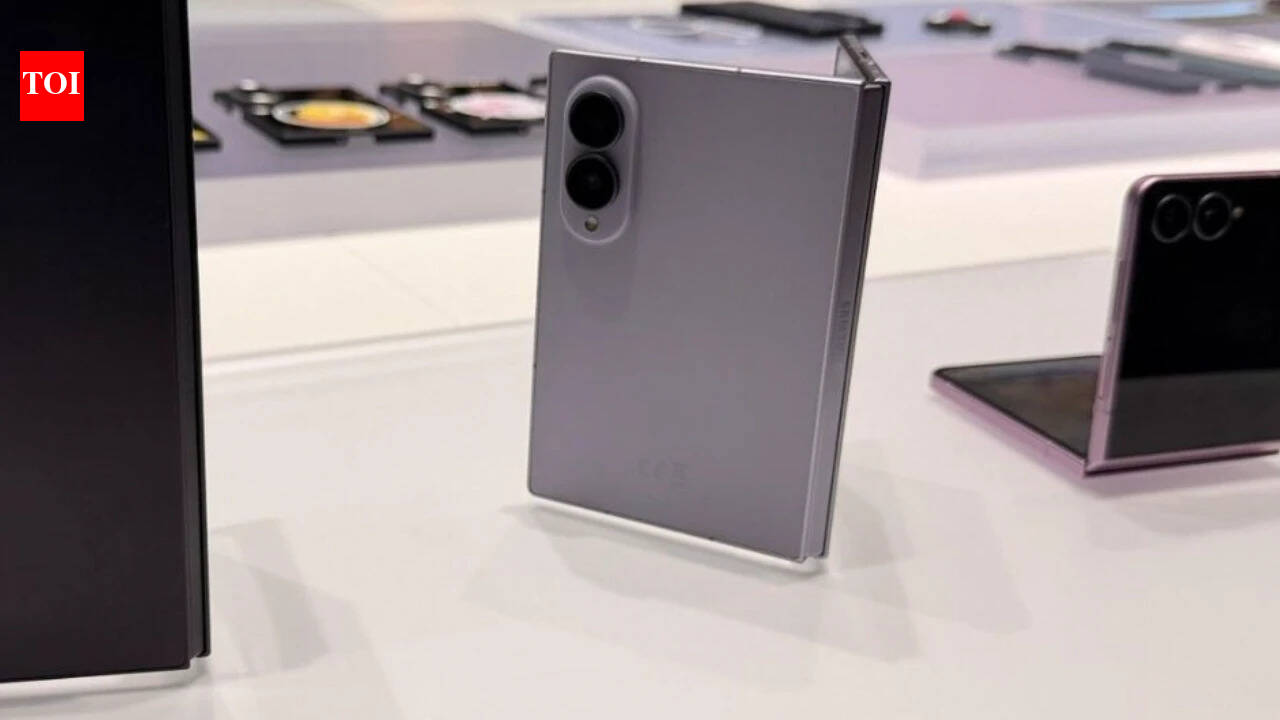
NEW DELHI – Samsung has emerged as the top smartphone brand in India for purchases made through financing options, according to Counterpoint Research. The findings challenge assumptions that Apple dominates the EMI segment, revealing that brands with strong offline presence are outperforming rivals in the fast-growing financing market.
Financing Drives Over 40% of Smartphone Sales in 2026
Counterpoint Research estimates that financing – including loans from non-banking finance companies (NBFCs) as well as credit and debit card EMIs – will account for 42% of India's smartphone sales in 2026, up from 35% in 2025. The shift comes as rising component costs continue to push up smartphone prices, making one-time purchases less attractive.
"India's smartphone market has remained under pressure in first half of the year due to rising memory prices, and this trend is expected to intensify further. Against this backdrop, smartphone financing is gaining ground as a primary purchase mechanism," said Tarun Pathak, research director at Counterpoint Research.
NBFCs Dominate Financing Channels
He added that around 67% of financed smartphone sales are backed by NBFCs, with demand particularly strong in Tier-2 and Tier-3 cities where credit card penetration is relatively low. This highlights a key channel for sellers and marketplace operators looking to offer payment flexibility to price-sensitive consumers.
Top Brands by EMI Penetration
Samsung leads the country's smartphone brand rankings in terms of devices sold through financing, followed by Vivo and Apple. Oppo and Xiaomi round out the top five, indicating how brands with a strong offline presence are outperforming rivals in fast-growing EMI market.
| Rank | Brand | Key Insight |
|---|---|---|
| 1 | Samsung | Leading via Samsung Finance+ and other options |
| 2 | Vivo | Strong offline presence aids financing penetration |
| 3 | Apple | Despite status symbol perception, trails behind |
| 4 | Oppo | Retail-heavy model boosts EMI sales |
| 5 | Xiaomi | Fifth on list, reflecting offline strategy differences |
Prachir Singh, senior analyst at Counterpoint, said, "Samsung's strategy to use Samsung Finance+ as well as other financing options is working in its favour." Singh noted that retail-heavy brands such as Samsung, Vivo and Oppo enjoy higher financing penetration because offline stores allow consumers to better understand loan schemes.
Implications for Sellers and Marketplace Operators
For B2B sellers and marketplace operators, the growing reliance on EMI financing presents opportunities to integrate payment solutions that support NBFC loans and card instalments. The data underscores the importance of offering flexible financing, particularly for higher-priced consumer electronics, to capture demand from Tier-2 and Tier-3 cities. Additionally, brands with offline sales channels may have an edge in financing uptake, suggesting that omnichannel strategies could boost conversion rates.
As smartphone price pressures persist, EMI penetration is expected to deepen, making financing a critical lever for sellers targeting the Indian market. Marketplace platforms should consider partnerships with NBFCs and financing providers to enable seamless EMI checkouts, mirroring the offline advantage of brands like Samsung.
Sources: