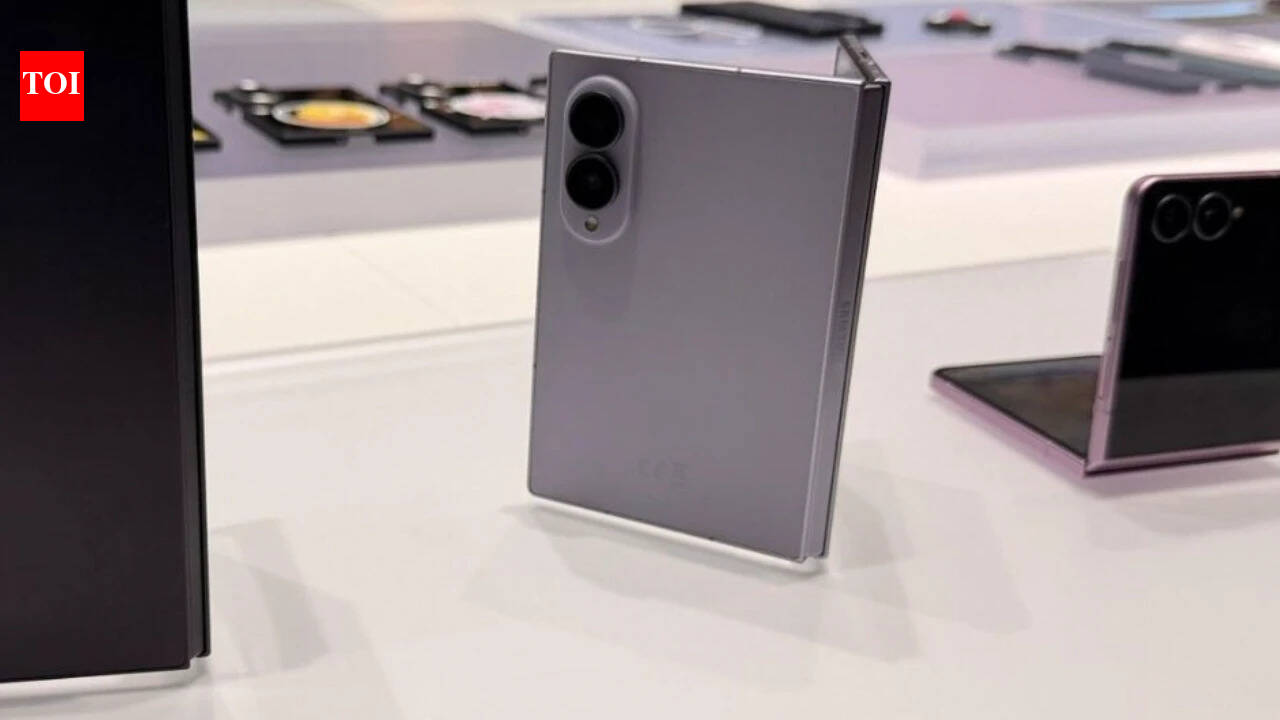
Competition in India's premium smartphone segment is set to intensify later this year as Apple prepares to enter the foldable smartphone market, challenging Samsung's long-standing dominance in a category that, while still niche, is expected to continue growing despite an overall slowdown in handset demand, according to Business Today.
Market Share Dynamics
Samsung currently commands approximately 89% of India's foldable market, according to Counterpoint Research. The company expanded its portfolio this week with three new Galaxy Z-series models. Motorola remains a distant second with around 8% share after strengthening its Razr lineup. The remaining market is held by other players.
| Player | India Foldable Market Share (2026) |
|---|---|
| Samsung | 89% |
| Motorola | 8% |
| Others | 3% |
Shipment Projections
According to Counterpoint Research, India's foldable smartphone shipments are projected to exceed 650,000 units in CY2026, up 8% year-on-year. This growth comes even as the overall smartphone market is expected to shrink by 13-14%. By the end of the year, cumulative foldable shipments in India are expected to cross the 3-million mark.
| Metric | Value | Source |
|---|---|---|
| Foldable shipments (CY2026) | >650,000 units | Counterpoint Research |
| YoY growth | 8% | Counterpoint Research |
| Overall smartphone market change | -13% to -14% | Counterpoint Research |
| Cumulative foldable shipments in India | 3 million by end of 2026 | Counterpoint Research |
| Apple's share of foldable shipments in 2026 | <1% | Counterpoint Research |
| Average selling price of foldable in India | ~$1,800 | Counterpoint Research |
Impact of Apple's Entry
Apple is expected to unveil its first foldable iPhone globally in September, according to the source. However, because of the late launch, Counterpoint estimates the device will account for less than 1% of India's foldable smartphone shipments this year. Analysts expect its real impact to be felt from 2027 onward, when it could expand consumer interest in the category and intensify competition at the ultra-premium end.
“Apple's arrival could become a long-term catalyst for the segment, particularly among premium buyers already invested in the company's ecosystem.” — Counterpoint Research
Financing and Launches as Growth Drivers
According to Counterpoint Research, new launches and financing options could give the foldables segment a further push. While foldables currently account for just 2-3% of India's smartphone market by value because of their high average selling price of around $1,800, greater competition is expected to accelerate innovation in design, durability and software experiences.
The entry of Apple, combined with Samsung's continued portfolio expansion and Motorola's competitive offerings, is likely to drive more consumer interest and manufacturer investment in foldable technology. Financing options, such as equated monthly installments (EMIs) and trade-in schemes, can lower the upfront cost barrier for consumers, potentially expanding the addressable market beyond the ultra-premium segment.
For manufacturing executives, the growing foldable segment represents an opportunity to invest in specialized display and hinge production capabilities. As volumes increase, economies of scale may reduce component costs, making foldables more accessible. The shift toward foldable devices also requires advancements in flexible display technology, battery design, and durability testing — areas where OEMs and their supply chain partners can differentiate.
Sources: