Auto financiers in India are pushing for a fundamental shift in lending models, advocating for embedded finance and digital partnerships over generic EMI products, even as global markets rapidly adopt integrated credit at the point of sale. Speaking at the Federation of Automobile Dealers Association (Fada) 5th Finance and Insurance Summit in Mumbai, senior industry figures stressed that despite nearly eight out of 10 new cars being financed, the process remains fragmented.
The Push for Embedded Finance
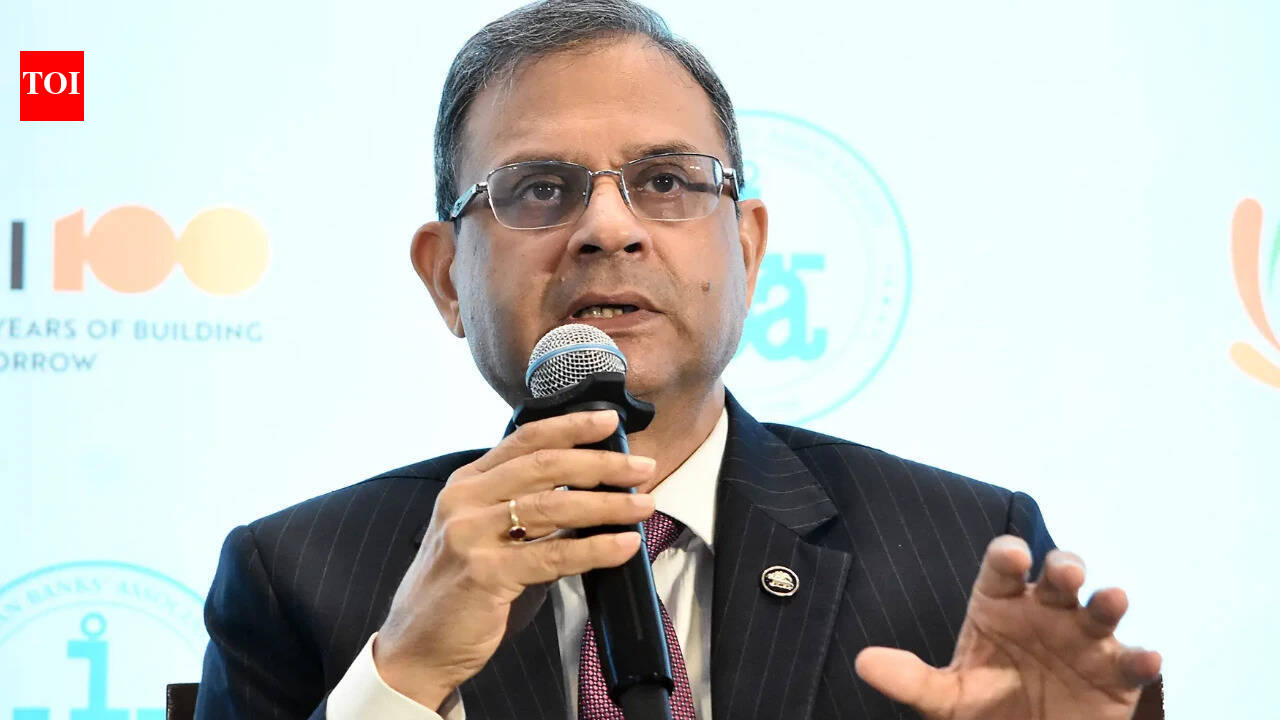
Rajan Pental, executive director at Yes Bank, noted a critical gap in the current system. "While the industry has been providing auto loans as an instalment product, we have not yet succeeded in developing an embedded product," he said. Pental explained that customers today walk into dealerships with complete knowledge of the car and its features, but the multiplicity of lenders delays the transaction. He urged the industry to go beyond ex-showroom pricing and offer schemes designed for every pin code.
In contrast to India's traditional approach, developed markets feature lenders and OEM captives routinely offering fully digital, embedded credit at the dealer or through online configurators, with instant decisions, e-sign, and funding tied to the vehicle order. According to the summit discussions, India's auto finance market remains dominated by traditional loans, with leasing accounting for around 1.5% and subscription around 0.1% of the market.
Market Dynamics and Dealer Perspectives
Raul Rebello, managing director and CEO of Mahindra Finance, observed that the industry has achieved scale and the gap between rural and urban sales is disappearing. This convergence underscores the potential for broader adoption of innovative finance products.
C S Vigneshwar, president of Fada, described finance and insurance business as the "load-bearing walls" that keep auto dealerships viable. He outlined specific demands for wholesale finance: dealers expect more transparent, demand-led funding and quicker transmission of interest rate reductions. In retail finance, Vigneshwar called for more robust used-vehicle funding solutions and smoother reconciliation processes.
| Market Segment | Share |
|---|---|
| Traditional loans | Dominant |
| Leasing | ~1.5% |
| Subscription | ~0.1% |
Industry Challenges and the Road Ahead
The summit highlighted multiple barriers to embedded finance adoption in India. The existing car purchase process separates financing from the vehicle sale, with dealers conducting sales based on on-road prices while financing remains a separate transaction. This fragmentation creates friction that embedded finance aims to eliminate.
Pental's call for pin-code-specific schemes reflects the need for hyperlocal product design. The small share of leasing and subscription models indicates significant room for growth, but requires industry-wide collaboration among lenders, dealers, and OEMs. Vigneshwar's emphasis on faster rate transmission and transparent funding suggests that dealer profitability depends on more efficient financial products.
The Fada summit served as a platform for auto financiers to align on the urgent need for innovation. With Yes Bank, Mahindra Finance, and Fada collectively pushing for change, the Indian auto finance market may be on the cusp of a shift toward embedded digital lending.
Sources: