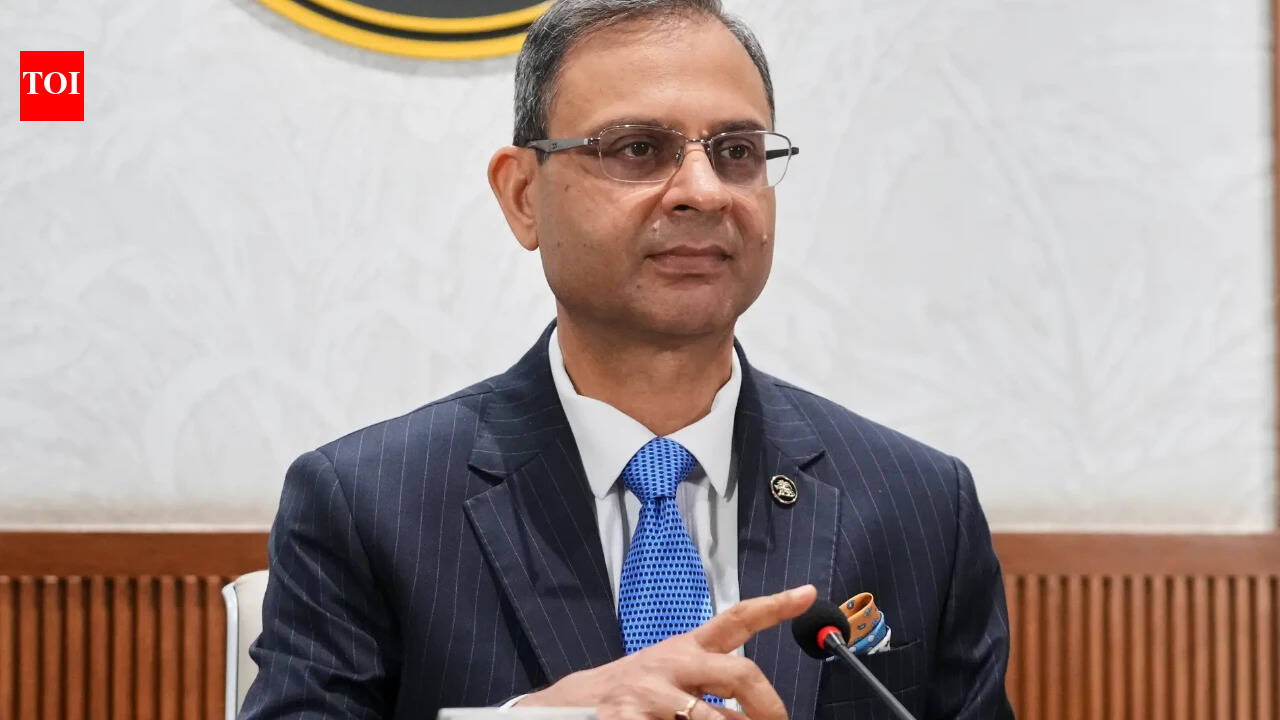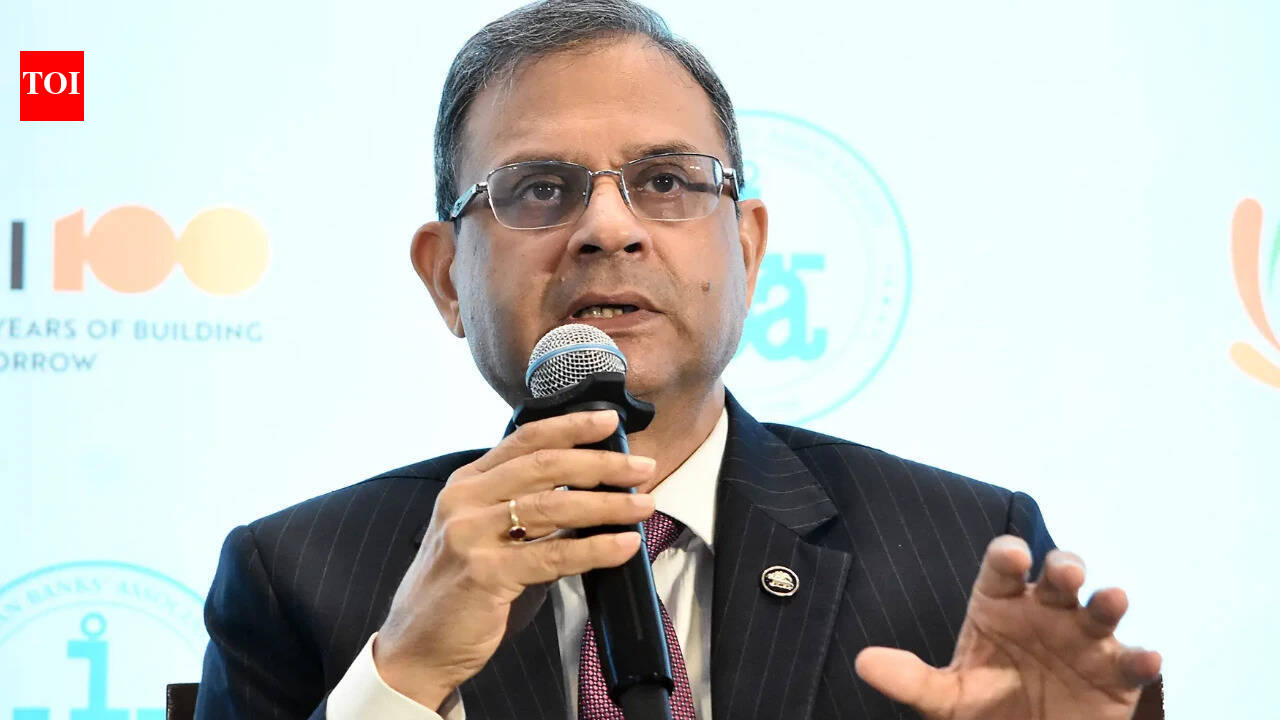
RBI Governor Sanjay Malhotra said artificial intelligence could do to lending decisions what UPI did to payments, urging banks not to sit on the sidelines, according to Business-Today. Speaking at FIBAC 2026, Malhotra said India is well-placed to adopt the technology because of its public digital infrastructure and regulatory supervision. His comments came at a time when the share of credit to GDP remains modest even as bank books are at their healthiest, the report said.
AI as the next UPI for lending
Business-Today reported that Malhotra drew a direct parallel between AI's potential in lending and UPI's impact on payments.
"We in India stand at a unique vantage point to leverage AI. We have the most advanced public digital infrastructure, whether it is Aadhaar, the UPI, DigiLocker, ONDC, we are trying to build and improve and expand the Unified Lending Interface, the Account Aggregator," he said.
The governor's call to banks to act underscores the urgency he attaches to AI adoption, with the RBI building a stronger base for lenders to use AI across lending and other financial services.
Digital infrastructure and the new platform
According to Business-Today, the RBI is putting in place a Digital Payments Intelligence Platform that will augment India's digital infrastructure, including Aadhaar, UPI, DigiLocker, ONDC, the Unified Lending Interface and the Account Aggregator, giving banks a stronger base to use AI across lending and other financial services.
| Metric | Detail |
|---|---|
| Share of credit to GDP | Modest |
| Health of bank books | Healthiest |
| Operational cost-to-income ratio (BCG estimate) | 47-49% |
Citing a BCG report, Malhotra said there is scope to bring down the operational cost-to-income ratio from 47-49% with the help of AI. The BCG estimate provides the baseline Malhotra cited for measuring AI's efficiency impact on lending operations.
Widening the pool of borrowers
AI could widen the pool of borrowers by allowing banks to use data beyond conventional financial histories, Malhotra said. "AI models on alternative data, which we have a lot now—cash flows, GST filings, utility payment bills, digital platforms—they can all extend the frontier of bankable India considerably," he said.
This approach is particularly relevant for new-to-credit borrowers, gig workers and underserved sections that lack formal financial records. "Traditional underwriting relies on financial history, precisely the data that is thin or absent for new-to-credit borrowers, for the gig workers, or those underserved sections of our society because they do not have formal books," Malhotra said.
Prerequisites: explainability and accountability
Malhotra said the explainability of decisions and human accountability were prerequisites for AI adoption in lending, according to Business-Today. The RBI governor's stress on governance comes as banks weigh model risk in deploying AI for credit decisions.
The remarks signal that India's central bank is positioning AI as a means to widen credit access while demanding transparency in decision-making. Malhotra pointed to cash flows, GST filings, utility payment bills and digital platforms as data sources that can extend the frontier of bankable India, and insisted that explainability of decisions and human accountability are prerequisites. For lenders, the combination of a Digital Payments Intelligence Platform and alternative-data underwriting points toward a more data-driven credit infrastructure.
Sources: