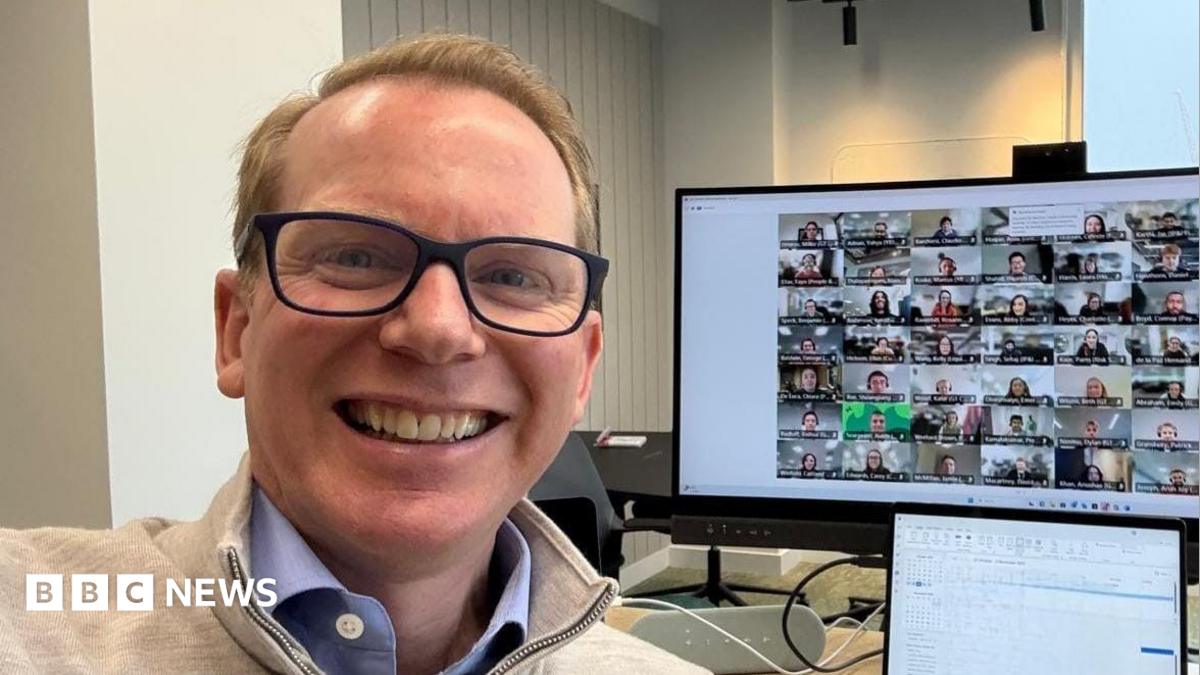
Charlie Nunn, CEO of Lloyds Banking Group – the UK's biggest bank, providing one in four current accounts – has shared his top five tips for managing personal finances in a BBC interview. Drawing on deep insight into customers' spending, saving and borrowing patterns, Nunn offers advice on automation, relationships, children, fraud prevention, and financial influencers.
Automate Your Savings
Nunn says the key to building up savings is to automate putting money aside. This means regular saving stops being a decision or action you have to keep taking – and putting off. "If you're able to carve out a little bit and put it somewhere else where you won't have access to it and be able to spend it, I think that's the easiest way to start having a saving mindset," he says. That could mean setting up a direct debit from your current account to a savings account, organising cash into different envelopes, or using round-up tools that put spare change aside when you spend. Nunn recommends "saving little, saving early and saving regularly." He admits he "hates budgeting and always has" so he looks at his current account as soon as he gets paid and decides how much to move into savings. "Do it as soon as you can," he adds. He also recommends having an emergency fund for surprise bills like a broken boiler or car repairs, with one to three months' salary set aside if possible.
Talk About Money in Relationships
Nunn and his wife use a joint account and have "complete transparency" over money. His red flag in a relationship is "someone who isn't careful with money" because he has always been "relatively prudent." His attitude was shaped by childhood: his parents divorced and his mother raised four children, meaning he grew up thinking carefully about spending. "We were constantly worrying about what we were spending money on and managing money carefully which ranged from looking for cheap food in the supermarket to thinking carefully about holidays and what we did in our spare time," he said.
Give Children Pocket Money
Nunn says his children "take no advice from me because I'm their dad" but he has tried to make them understand the value of money. "They have pocket money which helps them budget and they live within their means," he says. He notes that two of his children are more comfortable spending, while others are more natural savers – reflecting what the bank sees among customers. He does not think younger people are generally financially irresponsible but is concerned about the bigger challenge of dealing with the amount of information, misinformation, and pressure people now face online.
Pause Before You Buy
Nunn's biggest concern is fraud, as many people are targeted through social media platforms and online marketplaces. "Young people are much more vulnerable to it than older people even though they tend to be pretty savvy with technology," he says. His advice is to pause before sending money and question whether "you can trust the person on the other end." If you have any doubts, he says, "there are tools you can go and reference and get advice. You can also always call us to check." Lloyds has launched a tool allowing people buying things online, such as tickets, to upload a picture and check whether it appears genuine. "Just lean into those kinds of tools because they are available and they're there to protect people."
Beware of Finfluencers
Social media can be useful for learning about money, but Nunn is "deeply concerned" about financial influencers pushing risky products. "They are paid to promote a particular crypto coin, meme coin or investment product rather than helping people choose what is suitable for them," he says. The full interview is available on the BBC.
Sources: