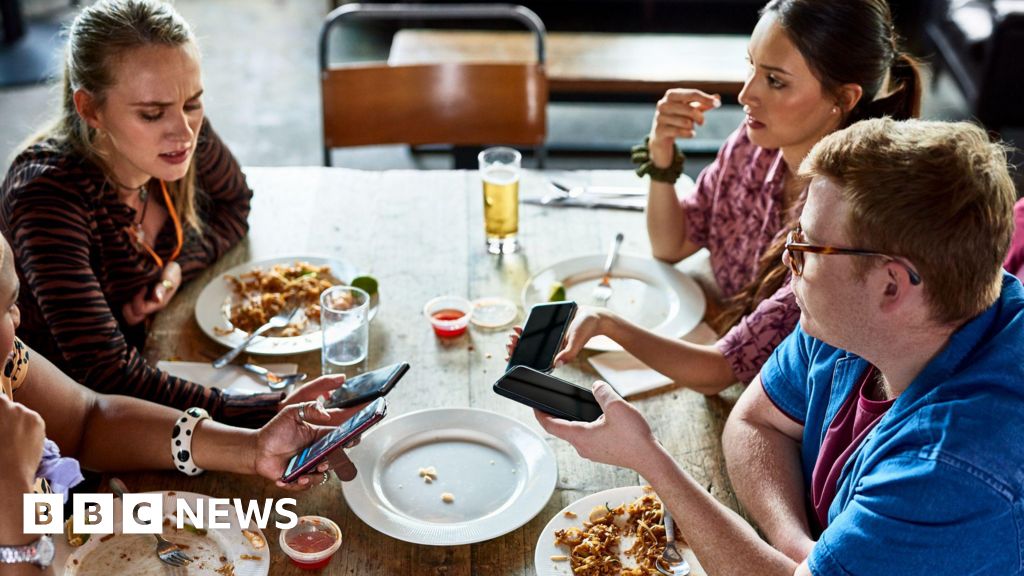
Everyone has been there: one friend orders cocktails, another a £16 truffle arancini starter, but you stuck to tap water. When the waiter places the card reader on the table, the jolly friend shouts, 'let's just divide it equally!' according to BBC News. This social minefield is common, but research from the Money and Pensions Service (MaPS) in 2025 found that only four in 10 adults feel comfortable talking to friends about money, with women significantly less likely (39%) than men (50%).
Ella, a 23-year-old communications assistant from Leeds earning over £30,000, says her group always splits the bill equally. 'It just feels awkward' to suggest paying separately, she told BBC News. Some friends earn more, and to avoid feeling short-changed, she matches her order to theirs. On holidays, she often calls her mother to borrow extra cash rather than speak up. 'I'm probably on the phone to my mother in secret asking to borrow that extra bit of cash,' she said.
Laura Pomfret, chief executive of women's finance community Financielle, advises being open from the start. 'If you know you have a limit on what you can afford, say it at the beginning rather than sitting through the meal hoping someone else suggests paying separately,' she said. Her tips: decide beforehand if an event is outside your budget, save in advance or skip it; give a reason (e.g., saving for a holiday); and remember spending is personal.
Chloe, 31, a tech startup founder earning around £80,000, is open with friends about salaries and affordability. 'We talk about money all the time — pay rises, investments, whether we can afford something,' she said. 'We'll say, "I can't afford that this month — can we do it next month instead?" It's about breaking down that wall of shame.' She now sometimes covers for friends visiting London who are between jobs.
Mark Fullilove, a marketing manager from Birmingham, says his group always pays for what they order, but there are still pitfalls. He sometimes covers a shortfall because an item was forgotten or a service charge wasn't factored in. On holiday, those with less disposable income pay their share when they can rather than needing a deposit upfront.
The article notes that splitting a bill equally tends to encourage people to order more, boosting the total. Apps can help calculate individual shares including tips. For the risk-takers, an alternative suggested on social media is putting all credit cards in the middle and letting the waiter pick one at random to pay for everyone.
| Strategy | Example |
|---|---|
| Set expectations early | Laura Pomfret advises speaking up before ordering |
| Decide beforehand | Save in advance or skip events outside budget |
| Give a reason | Say you're saving for a holiday or investment |
| Spending is personal | Even if a friend can afford £100, they may not want to spend it that way |
Sources: