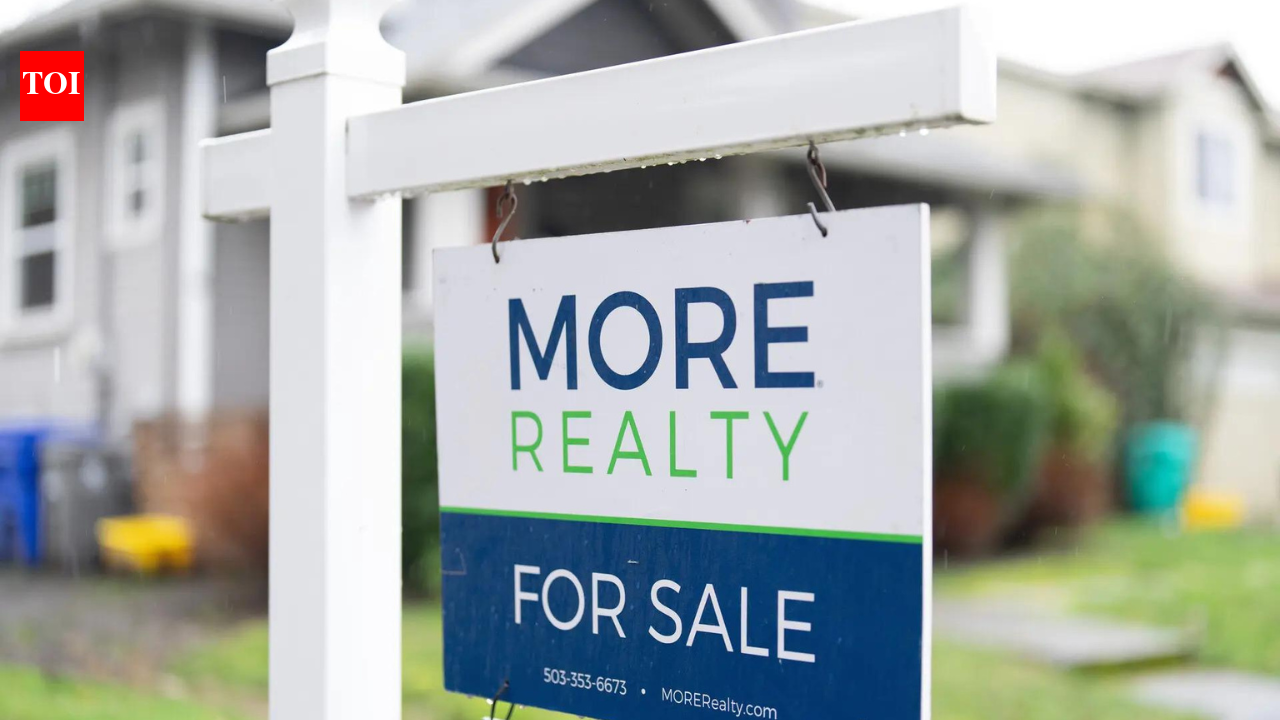
Average UK mortgage rates have risen back to the level of a month ago as renewed tensions in the Middle East feed through to homeowners, according to the BBC. The average rate on a new two-year fixed deal now stands at 5.58%, while the five-year fixed deal averages 5.6%, data from financial information service Moneyfacts show. Although rates have risen consistently in recent days, they remain below the Iran war peak in April of 5.9%.
Rising Funding Costs and Lending Rate Increases
Lenders' funding costs have increased as markets judge that a prolonged conflict reduces the possibility of interest rate cuts by central banks, the BBC reported. The five biggest High Street banks are among a host of lenders that have increased their interest rates on new fixed deals in recent days. Rachel Springall, finance expert at Moneyfacts, said: "It will be incredibly frustrating for borrowers to see rates rise back up to where they were a month ago. The positive progress over recent weeks now feels all but lost, but what the market needs is a period of stability." She added that 100 deals had been pulled temporarily as lenders reconsider their pricing plans.
| Mortgage product | Current average rate | Iran war peak (April) |
|---|---|---|
| Two-year fixed | 5.58% | 5.9% |
| Five-year fixed | 5.6% | — |
Global Tensions and Oil Price Spike
Fresh strikes and Houthi militia attacks on oil tankers in the Red Sea reignited fears over global energy supplies, the BBC reported. Oil prices hit $100 a barrel for the first time since May on Thursday after several days of increases, stoking fears of higher inflation and a lower likelihood of interest rate cuts. Recent projections by the Bank of England suggest just over five million homeowners should expect their monthly mortgage repayments to increase by the end of 2028.
Broker and Borrower Sentiment
Borrowers had been heartened by regular falls in mortgage rates during June and early July, but brokers say the latest changes are evidence of uncertainty in the sector. David Hollingworth of L&C Mortgages said: "Any borrower hoping for rate cuts to become an ongoing trend will need to rethink. Momentum has performed an about turn and now clearly shifted to fixed rates rising in the near term at least." More than eight in 10 mortgage customers have fixed-rate deals, meaning their interest rate does not change until the deal expires, usually after two or five years, when a new one must be chosen.
Implications for Business and Trade Finance
For CFOs, treasury directors, and trade finance professionals, the rise in mortgage rates signals broader upward pressure on the cost of capital across the economy. Lenders' funding costs – the price banks pay to finance loans – are increasing as global tensions persist, which will likely translate into higher rates for corporate and trade credit. The spike in oil prices to $100/barrel adds to inflationary pressures, reducing the probability of central bank rate cuts that would ease financing conditions. The Bank of England's projection of over five million homeowners facing higher repayments underscores the macroeconomic headwind from higher borrowing costs, which can dampen consumer demand and affect businesses reliant on domestic spending. Trade finance professionals should monitor how rising funding costs and oil prices impact supply chain expenses and credit availability.
Sources: