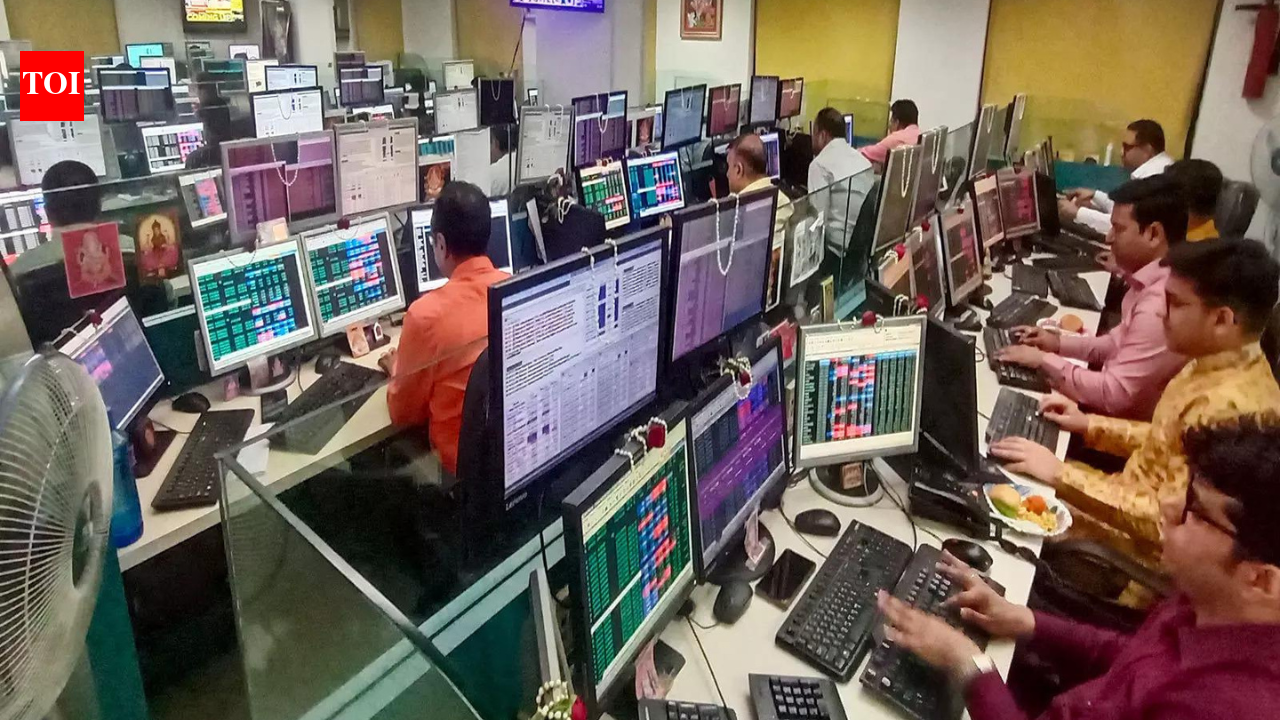
Foreign portfolio investors (FPIs) poured a record $4.2 billion (Rs 39,640 crore) into Indian government bonds in June 2026, according to a report by the Times of India citing CCIL data. This marks the highest monthly inflow by a wide margin, comfortably exceeding the previous record of Rs 22,005 crore recorded in August 2024.
Record Bond Inflows
The surge in FPI investments comes after a subdued FY26, during which net foreign portfolio investment into Fully Accessible Route (FAR) bonds stood at just Rs 3,546 crore, according to CCIL data. The June inflows signal a sharp reversal in sentiment, driven by coordinated measures from the government and the Reserve Bank of India (RBI).
| Metric | Value | Change / Context |
|---|---|---|
| June 2026 FPI inflows | Rs 39,640 crore ($4.2B) | Record high |
| Previous record (Aug 2024) | Rs 22,005 crore | Surpassed by ~80% |
| Net FAR inflows in FY26 | Rs 3,546 crore | Pre-June subdued level |
| 10-year bond yield | 6.76% | Down 20 bps since policy measures |
| USD/INR (as of June 26) | 94.40 | Recovered from record low 96.96 |
Policy Drivers
The government and RBI implemented a series of steps to attract capital inflows: exempting capital gains tax on eligible investments in government securities, widening the list of bonds available under the Fully Accessible Route (FAR), and permitting overseas investors to purchase government bonds with maturities of up to 30 years. Market participants noted that the tax relief has strengthened expectations that Indian government bonds could be included in Bloomberg's Global Aggregate Index.
Market Implications
The coordinated steps are expected to support further growth in India's foreign exchange reserves, which stood at $672 billion as of June 12, according to the article. The Indian rupee recovered after touching a record low of 96.96 against the US dollar in late May, ending Thursday's session at 94.40. The benchmark 10-year government bond yield declined by 20 basis points to 6.76% since the measures were announced.
Expert Commentary
"RBI's measures have alleviated concerns regarding rupee depreciation, while tax exemptions for FPIs have boosted optimism about India's potential inclusion in Bloomberg's global aggregate index," said Sameer Karyatt, Managing Director and Head of Trading at DBS Bank. "These factors have prompted some investors to invest proactively in India, a trend I expect to continue unless there are major shifts in the global geopolitical environment."
Abhishek Upadhyay, Senior Economist, Fixed Income Strategy at ICICI Securities PD, added: "Because the rupee was so volatile and rapidly depreciating, debt investors were averse. But now there is greater confidence and investors think this is a good opportunity." He also expects further inflows at the end of this calendar year, as the Bloomberg index inclusion is anticipated.
Outlook and Caution
Despite the record inflows, some market participants cautioned against assuming that June's pace will persist. Elevated US Treasury yields continue to limit the relative appeal of Indian government securities, according to the report. The upward trajectory of US rates remains a key headwind for emerging market debt flows, and investors will watch for any further shifts in global monetary policy.
For CFOs and treasury directors, the strengthening of the rupee and the drop in bond yields reduce the cost of capital for rupee-denominated borrowings and improve the hedging environment for foreign currency exposures. The record FPI inflows also bolster India's external position, enhancing the country's creditworthiness and potentially lowering sovereign borrowing costs. However, the cautionary note on US yields means that trade finance professionals should monitor the differential between Indian and US yields, as a narrowing spread could slow future inflows and reintroduce rupee depreciation pressure.
Sources: