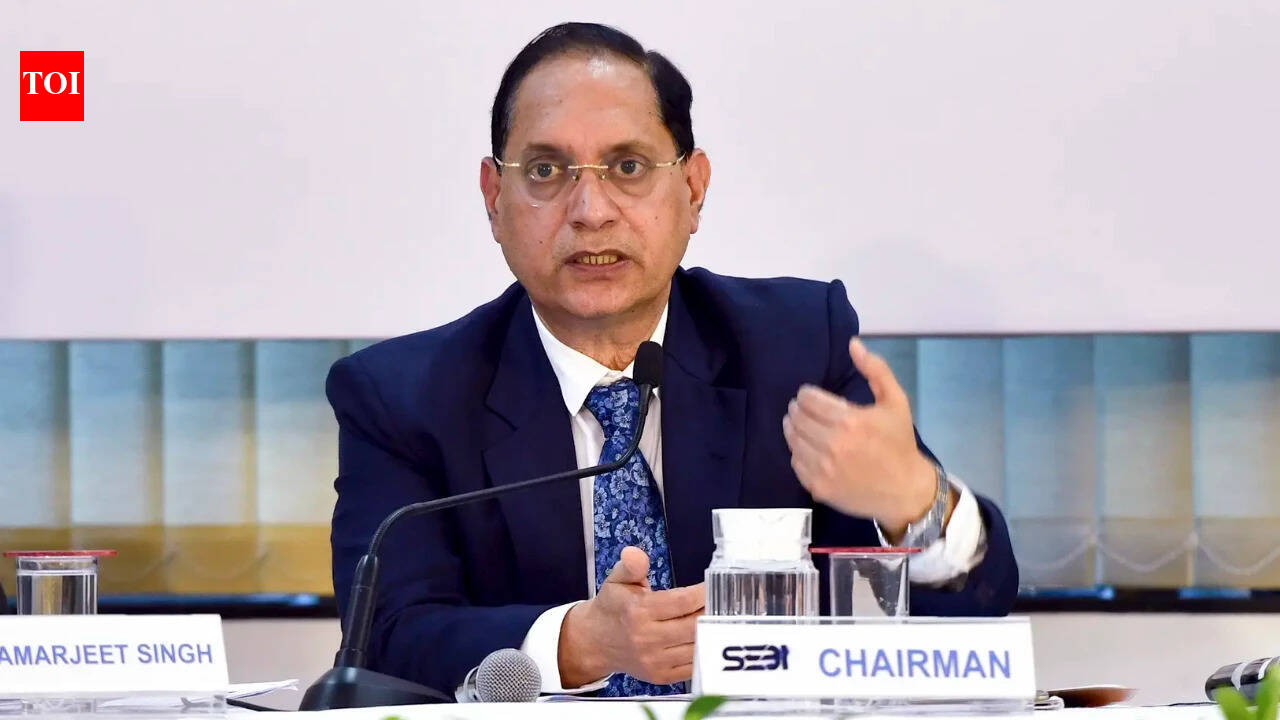
The board of the Securities and Exchange Board of India (Sebi) on Friday approved a series of measures to simplify and standardise the transmission of securities from deceased investors to their legal heirs and claimants, according to a release from the regulator. The changes are expected to reduce procedural requirements and administrative burdens for investors, companies, and depositories.
Simplification of transmission process
Sebi created a new category of claimants for securities with a value not exceeding Rs 10,000 per scrip in physical form and not above Rs 30,000 for securities held in demat form. The regulator also doubled the small-value claim amount to Rs 10 lakh per scrip for physical shares and Rs 30 lakh for demat shares, as reported by the Times of India.
In a significant procedural easing, Sebi eliminated the mandatory requirement of obtaining probate of a will, aligning with recent amendments to succession laws. Claimants will now need to submit a combined affidavit-cum-no objection certificate (NOC) instead of separate affidavits and NOCs. The requirement to submit a PAN card was also waived, since the transmission would be into a demat account that already requires PAN for opening. Additionally, Sebi allowed death certificates carrying a QR code to be used for the process, alongside original or attested copies.
Reintroduction of open market buybacks
Sebi decided to re-introduce open market share buybacks through the stock exchange mechanism, a process that had been withdrawn a few years ago due to taxation issues, according to Sebi officials. The regulator reviewed the buyback processes after "the revision in taxation framework and the suggestions received from stakeholders with the objective of providing greater flexibility in undertaking buy-backs, reducing procedural complexity and strengthening investor protection," the release stated.
| Measure | Previous Threshold | New Threshold |
|---|---|---|
| Small-value claim (physical shares) | Not specified in source | Rs 10,000 per scrip claimant category; Rs 10 lakh per scrip for small value |
| Small-value claim (demat shares) | Not specified in source | Rs 30,000 claimant category; Rs 30 lakh per scrip for small value |
| Probate of will | Required | No longer required |
| Affidavits and NOCs | Separate | Combined affidavit-cum-NOC |
Easier intra-day borrowing for fund houses
The Sebi board also approved measures to make it easier for fund houses to avail of intra-day borrowing to bridge liquidity mismatches, according to the report. This change provides mutual funds with greater flexibility in managing daily cash flows.
Insider trading and code of conduct
Sebi chairman Tuhin Kanta Pandey announced that the board approved a new Code of Conduct for Members of Sebi and amendments to the Sebi (Employees’ Service) Regulations, 2001, aimed at bringing more transparency among Sebi’s employees. Pandey also clarified that the regulator was not considering any proposal to allow self-listing, meaning a stock exchange or its group company listing on its own bourse. In India, BSE is listed but trades only on the National Stock Exchange.
Implications for finance executives and investors
For corporates and treasury professionals, the simplified transmission process reduces the administrative overhead of dealing with deceased shareholder accounts and unclaimed securities. The doubling of small-value claim thresholds — to Rs 10 lakh for physical shares and Rs 30 lakh for demat shares — may accelerate the consolidation of shareholdings and reduce the number of small, unclaimed accounts on company registers.
The reintroduction of open market buybacks via the stock exchange mechanism provides companies with an additional tool for capital management. The previous withdrawal due to tax issues had limited buyback options; the revised framework aims to offer greater flexibility while reducing complexity. This could influence corporate payout policies and share price support strategies.
For fund managers, the eased intra-day borrowing rules allow better liquidity management, potentially reducing the cost of maintaining cash buffers. Overall, these regulatory changes signal Sebi’s ongoing efforts to modernise market infrastructure and reduce frictions for all market participants.