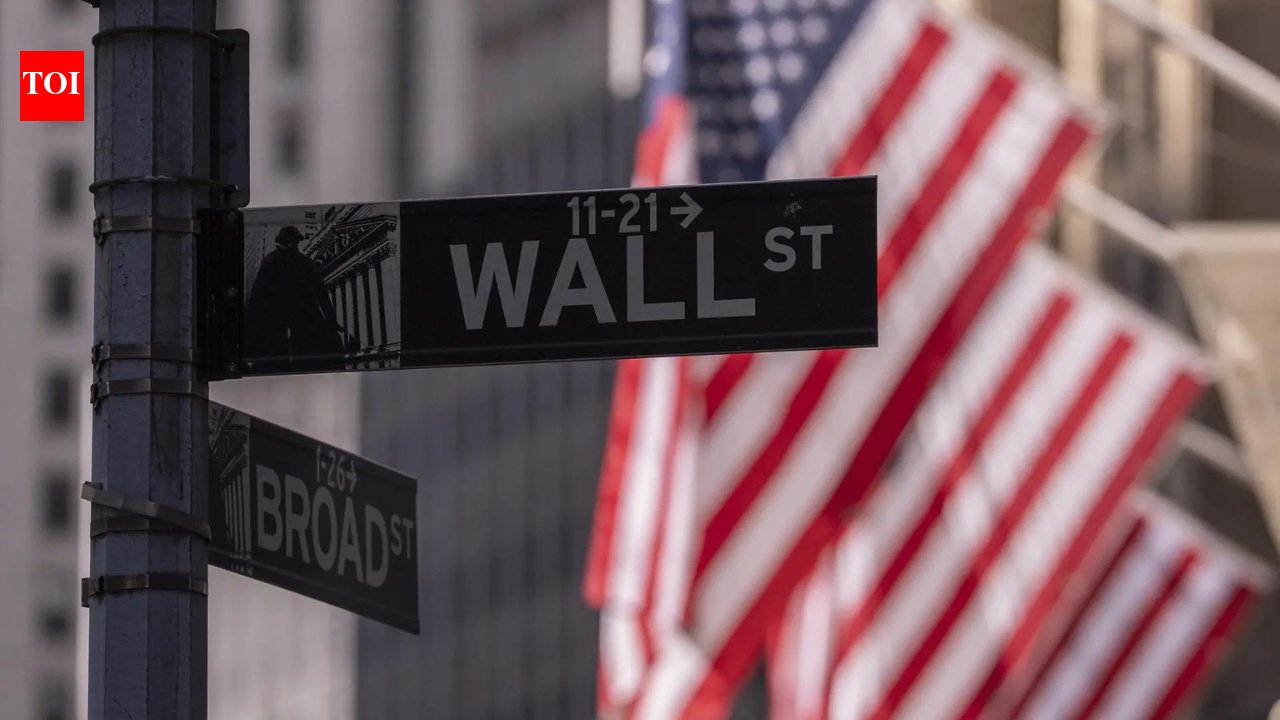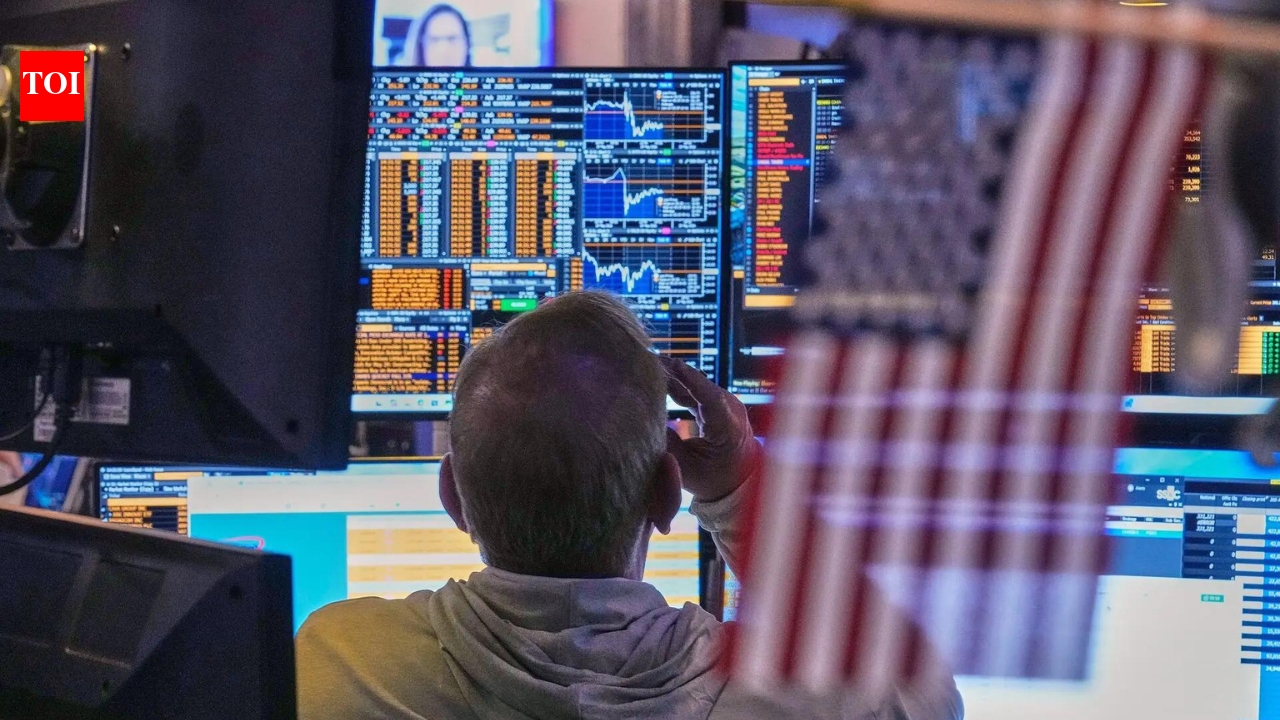
Wall Street rebounded on Thursday, with the S&P 500 rising 0.9% to recover more than half of Wednesday's decline, its steepest fall in seven weeks, according to a report from Business Today. The Dow Jones Industrial Average gained 250 points, or 0.5%, while the Nasdaq Composite climbed 1.8%, a day after slipping 9.8% below the record high it reached last month.
Tech Earnings Drive Divergent Market Moves
The rally was led by a sharp surge in Microsoft, which jumped 15.2% after reporting quarterly profit that exceeded analysts' expectations, supported by robust growth in its Azure cloud business, Business Today reported. Chief Executive Satya Nadella said the performance reflected customers' increasing adoption of Microsoft's AI offerings. Investors also welcomed the company's decision not to significantly raise its AI spending plans, easing concerns that heavy investments in artificial intelligence could strain cash flows without delivering expected gains.
In contrast, Meta Platforms dropped 8.9% after reporting quarterly earnings that fell short of forecasts, despite revenue slightly exceeding expectations. Some analysts pointed to the company's decision to raise the lower end of its projected capital spending range for the year as a factor behind the decline, according to Business Today.
Chipmakers and memory manufacturers recovered some of their recent losses, as investors returned to stocks hit by concerns over stretched valuations following the AI-driven rally. Micron Technology rose 8.4%, reducing its weekly decline to 13%, while Lam Research jumped 18.3% and Advanced Micro Devices advanced 7.3%.
Treasury Yields and Fed Policy Signals
Broader markets also drew support from easing Treasury yields after Wednesday's sharp rise. According to Business Today, the yield on the benchmark 10-year US Treasury slipped to 4.65% from 4.67%, while the 30-year Treasury yield remained at 5.20% after climbing from 5.09% the previous day.
Treasury yields had surged after Federal Reserve Chair Kevin Warsh offered few indications about the central bank's next steps to tackle persistently high inflation. Business Today noted that while elevated interest rates help curb inflation, they also weigh on economic growth and reduce the appeal of equities and other risk assets. For corporate treasurers, the yield movements directly affect the cost of capital for trade finance and longer-term debt issuance.
| Index / Yield | Previous Close | Latest | Change |
|---|---|---|---|
| S&P 500 | - | +0.9% | - |
| Dow Jones | - | +250 pts (+0.5%) | - |
| Nasdaq Composite | - | +1.8% | - |
| 10-Year Treasury Yield | 4.67% | 4.65% | -2 bp |
| 30-Year Treasury Yield | 5.09% (prior day) | 5.20% | Remained elevated |
Economic Growth and Inflation Data
Economic data released on Thursday showed the US economy expanded more slowly than economists had expected during the spring, according to Business Today. Inflation remained above the Federal Reserve's target in the latest month, although it came in slightly below market expectations. The combination of slower growth and sticky inflation presents a challenging backdrop for the Fed's rate-setting committee.
In commodity markets, oil prices eased after recent sharp swings driven by escalating tensions in the Middle East. Brent crude, the global benchmark, fell 1.5% to $86.79 a barrel. Prices have fluctuated dramatically this month, falling to as low as $72 before rising to $102 last week amid uncertainty over whether the United States and Iran could reach an agreement allowing oil tankers to move freely from the Middle East to global markets, Business Today reported.
Implications for Corporate Finance
For CFOs and treasury professionals, the market moves and yield dynamics have direct implications. The decline in the 10-year Treasury yield to 4.65% from 4.67% marginally reduces the cost of borrowing for investment-grade corporates, though rates remain elevated. The lack of clarity from Fed Chair Kevin Warsh on the rate path introduces uncertainty for debt issuers and trade finance providers who must hedge interest rate exposure.
The resilience of the Nasdaq, driven by Microsoft's AI-related growth, signals continued appetite for technology exposure, but the sharp drop in Meta — down 8.9% on higher capital spending guidance — underscores the sensitivity to cash flow and capex commitments. For investors tracking trade-affected markets, the oil price decline is a positive for importing nations, but the risk of renewed volatility from Middle East tensions remains. The slower GDP reading reinforces the need for cautious working capital management and hedging strategies in the second half of the year.
Sources: