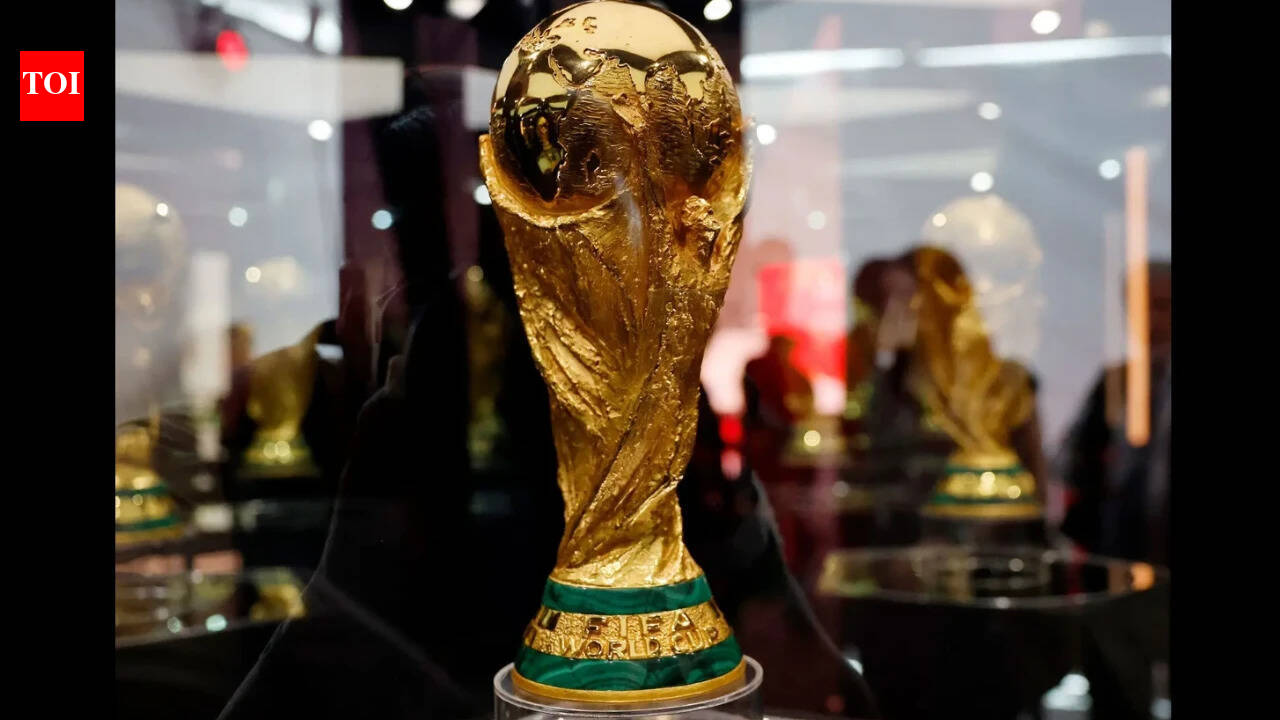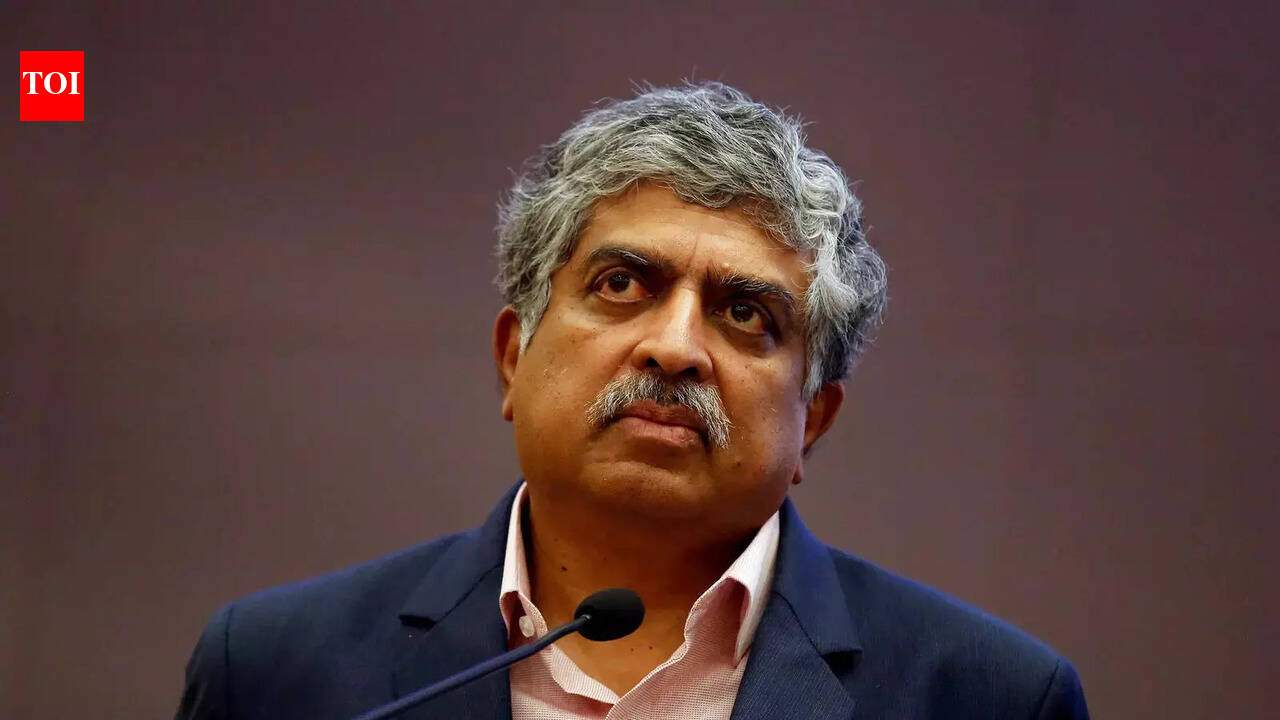
FIFA has abandoned a plan to raise up to $4.2 billion by selling a minority stake in a new commercial entity that would manage the FIFA World Cup, according to Business-Today. The proposal, announced earlier this week, was withdrawn on Friday after it drew strong opposition from football federations and internal criticism.
The proposal
Under the plan, FIFA would have sold around a 20% stake in a newly created commercial entity managing FIFA events, including the World Cup, generating up to $4.2 billion. The plan centred on the creation of a $20-billion subsidiary, FIFA Forward Enterprise (FFE), which would oversee the commercial rights to the World Cup and other FIFA competitions, according to the report. FIFA had argued that the investment would generate funds for global football development and rejected claims that it was commercialising the sport.
Infantino had told FIFA's member associations they would receive $40 million each if they approved the proposal by September 19.
Backlash from confederations
The plan drew swift resistance from football's major continental bodies. UEFA, European football's governing body, accused FIFA of putting the sport's "soul" up for sale and voted unanimously on Thursday to boycott FIFA tournaments unless the proposal was withdrawn. CONCACAF, representing North America, Central America and the Caribbean, also rejected the proposal, while the Asian Football Confederation (AFC) later announced it stood in solidarity with UEFA and CONCACAF. Together, the three confederations represent 143 of FIFA's 211 member associations, making it virtually impossible for the proposal to secure majority approval, Business-Today reported.
| Confederation | Position | Members |
|---|---|---|
| UEFA | Accused FIFA of selling sport's "soul"; voted to boycott tournaments | Not specified |
| CONCACAF | Rejected the proposal | Not specified |
| AFC | Stood in solidarity with UEFA and CONCACAF | Not specified |
| Combined | Three confederations together | 143 of 211 |
Internal divisions and political controversy
The backlash also exposed divisions within FIFA. Senior adviser Carlos Cordeiro resigned with immediate effect, describing the proposal as "a bad deal for football." FIFA Chief Operating Officer Kevin Lamour reportedly told staff they had been "deceived" by Infantino and characterised the initiative as "a project of one person."
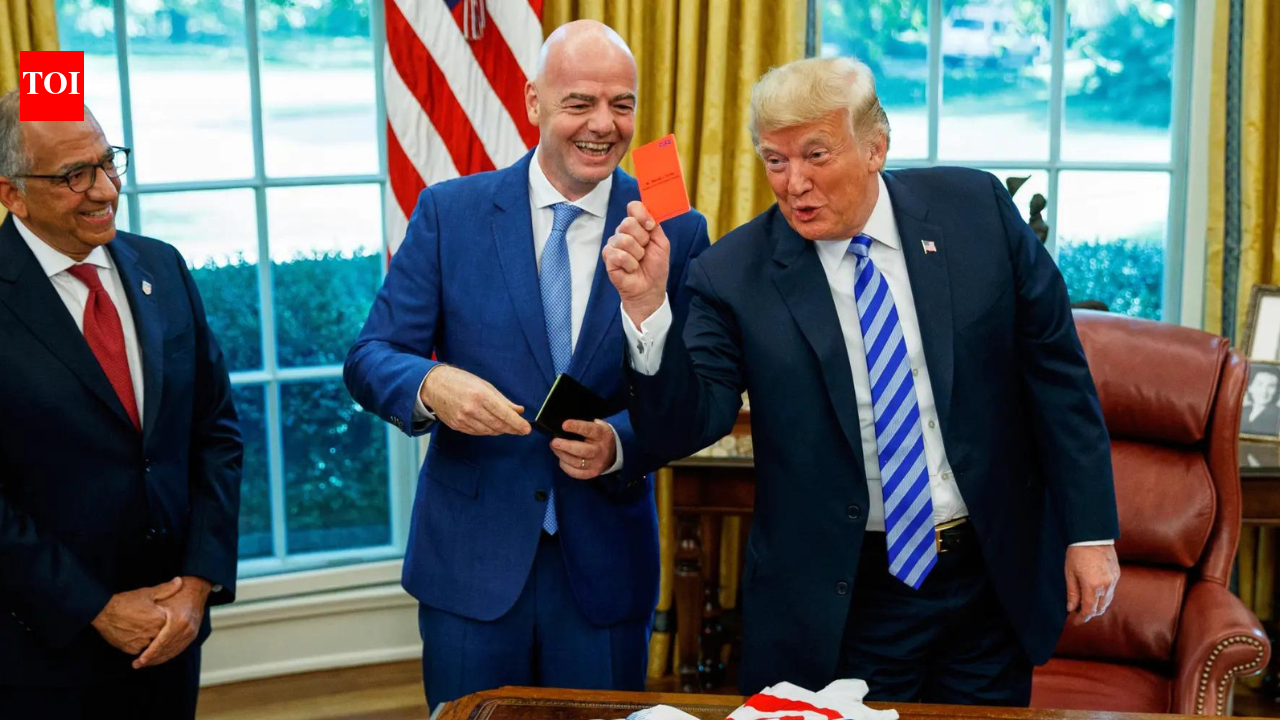
The proposal also raised political questions. Thrive Eternal, an investment fund managed by Thrive Capital founder Joshua Kushner, had been expected to lead the investor consortium. Joshua is the brother of Jared Kushner, son-in-law of US President Donald Trump. The connection prompted questions over potential political influence, although FIFA maintained the investment process was based on commercial considerations. Trump, who has developed close ties with Infantino during preparations for the 2026 World Cup co-hosted by the United States, said he had not discussed the proposal with the FIFA chief, according to Business-Today.
Infantino's statement and next steps
In a statement on Friday, Infantino said the proposal would not move forward:
"Having listened carefully to all the views, it has become clear that the project has created divisions of a nature that, regardless of the level of support, are no longer in the interest of the objective set out in the first place," Infantino said, as quoted by Reuters. "Our purpose has always been — and will always be — to unite and improve. As a result, this proposal will not proceed."
He said he would engage with stakeholders in the coming weeks to find other ways to strengthen the global game, particularly in developing football nations. Infantino, 56, is due to seek re-election as FIFA president next year amid reports that CONCACAF president Victor Montagliani is considering challenging him. British Prime Minister Andy Burnham also criticised Infantino, calling him "the wrong man to lead the organisation."
For finance executives and investors tracking sports-related capital flows, the aborted deal removes a potential $4.2-billion equity injection into a FIFA-controlled commercial vehicle and a scheduled $40-million payout per member association. The episode also underscores the governance and political risk embedded in large-scale international sports commercialisation deals, a factor that treasury and investment professionals may weigh when assessing similar structured transactions.
Sources: