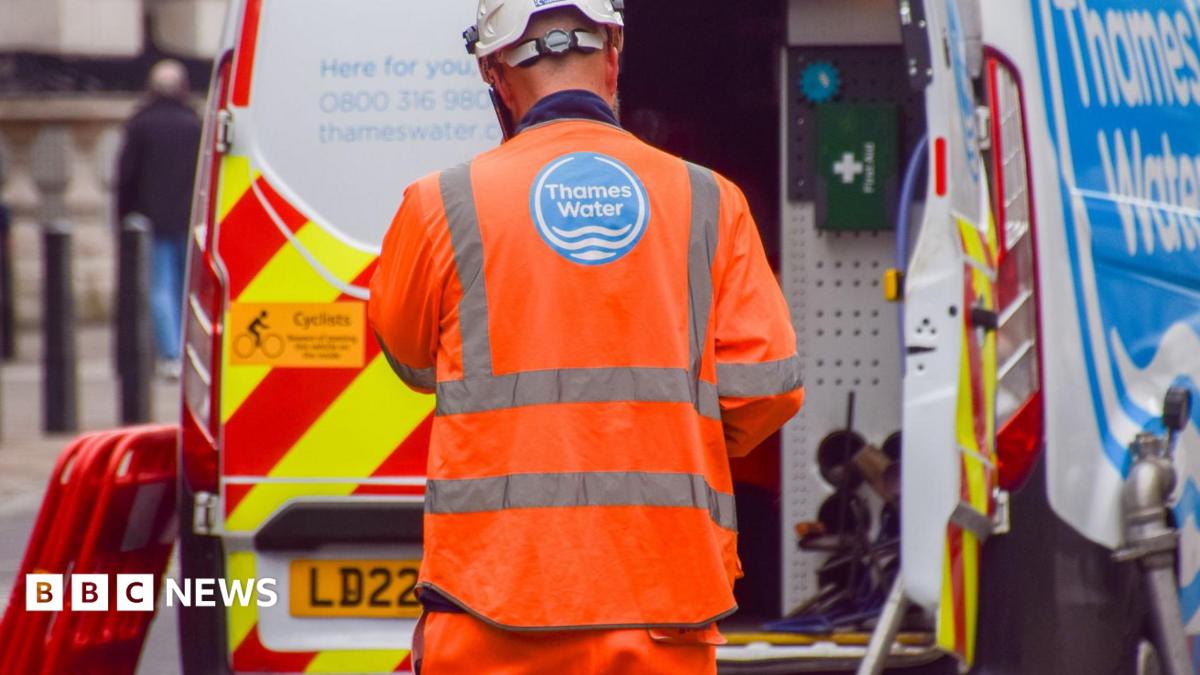
Lenders to Thames Water are preparing a legal challenge in case a Burnham-led government attempts to nationalise the UK's biggest water company, according to a BBC report. The company, serving 16 million customers, carries about £20bn in debt and warned on Thursday it has enough cash to last only until the end of this year.
Andy Burnham takes over as Prime Minister on Monday and has previously said he wants 'greater public control' of the water and energy sectors, calling for Thames Water to be nationalised. Sources close to the creditors told the BBC that in the event of full nationalisation, they would pursue payment in full of the outstanding debts, as has happened in previous cases, potentially leaving the government with a multi-billion-pound bill.
Rescue Deal Rejected
The lenders had proposed a deal to write off nearly half of the debt – specifically £9.4bn – and inject £3.35bn of new cash into the company. In return, they sought leniency from future pollution fines to help turn the firm's fortunes around. However, the government rejected the proposal, with Secretary of State Emma Reynolds saying in June she did not want a scenario where Thames Water customers had to 'pick up the bill for the company's failures'. A spokesperson for the Department for Environment, Food and Rural Affairs (DEFRA) said the government was 'prepared for any eventuality', adding that Thames Water customers have been let down for 15 years of under-performance and increasing pollution.
| Proposal Component | Amount |
|---|---|
| Debt write-off | £9.4bn |
| New cash injection | £3.35bn |
| Total debt pre-deal | ~£20bn |
| Condition | Leniency on future pollution fines |
Political and Regulatory Reactions
Labour's deputy leader, Lucy Powell, told Sky News on Sunday: 'Let's see' when asked if a Burnham government would nationalise Thames Water. She noted that the government has powers to bring a distressed water company under special measures, adding that 'the privatisation of water hasn't worked'. Powell pointed to rising bills and lack of investment as evidence.
A halfway option exists: a special administration regime (SAR), usually a temporary situation until another private sector buyer can be found. The lenders have stated they would be prepared to join the bidders for Thames in that scenario. However, Burnham's comments about increased public control make it 'hard to imagine' the government will have political appetite to find new private owners, meaning temporary nationalisation might become permanent.
Implications for CFOs, Treasury Directors, and Investors
For finance executives and investors tracking UK utilities, the situation poses immediate credit risk and legal uncertainty. A legal challenge by lenders could delay any resolution and increase costs. Under either a SAR or full nationalisation, Thames' ongoing cash shortfalls – a figure Thames Water management has flagged – could ultimately fall on taxpayers, affecting sovereign credit perceptions. The rejection of the lender-led rescue reduces the likelihood of a private-sector solution, pushing the risk of public bailout higher. Trade finance professionals should monitor the impact on UK water sector debt pricing and the cost of capital for infrastructure projects. The lenders' insistence on full repayment under nationalisation echoes previous cases, setting a precedent that could influence future government interventions.
As the legal challenge preparations proceed, and with Burnham taking office, the fate of Thames Water remains a key test for UK utility policy and investor protection.
Sources: