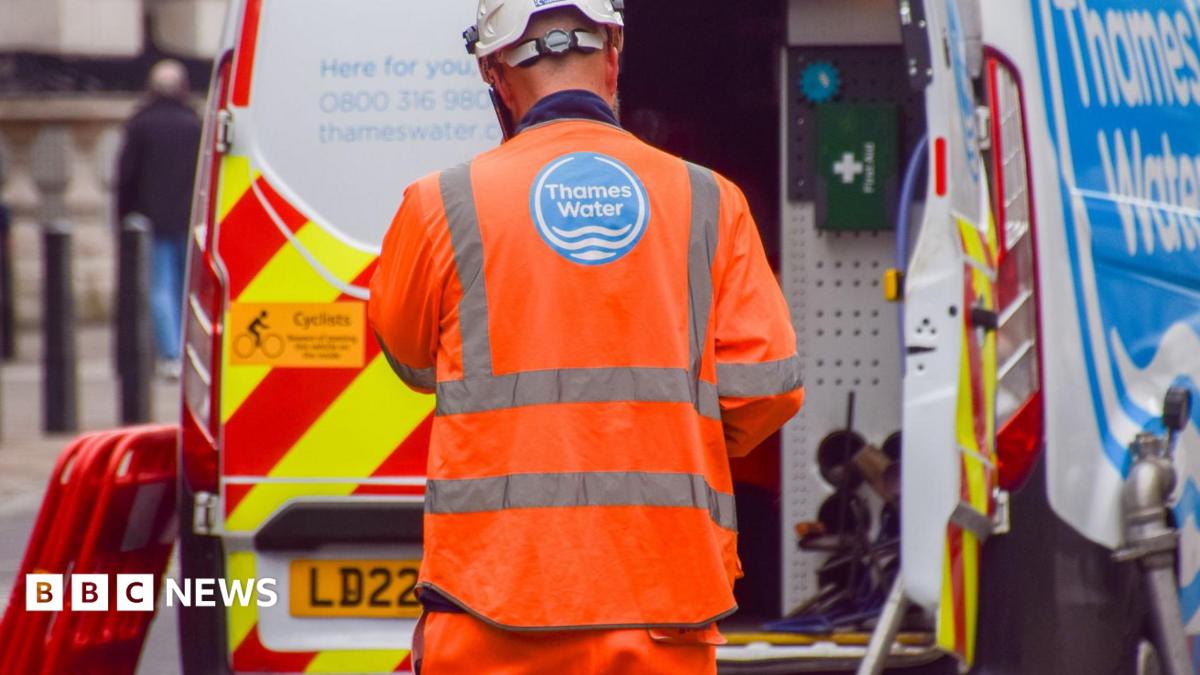
Thames Water's main lenders are offering the government a "golden share" and more control for local authorities in a bid to stop the troubled utility from being nationalised, according to the BBC. The proposal comes after the government rejected an earlier rescue plan, and as lenders prepare a legal challenge against potential public ownership under Prime Minister Andy Burnham.
The rescue proposal
The London & Valley Water (L&VW) consortium of creditors had already put forward a £10bn deal to prevent Thames Water from entering administration. According to the BBC, the plan would involve writing off nearly half of its debt and injecting new cash in return for leniency on future pollution fines. However, the government rejected the deal in June, with then-environment secretary Emma Reynolds saying it did not do enough for consumers or the environment.
Sources close to the new deal said the creditors have now sweetened it with hundreds of millions in new money on top of the existing offer. A key addition is a golden share that would give the government veto power over decisions. The proposal also offers local authorities greater involvement in the firm, similar to the relationship between United Utilities and Greater Manchester agreed when Burnham was the city's mayor.
Government rejection and legal challenge
In his first speech as prime minister on Monday, Andy Burnham said he wanted to see greater public control of "life's essentials". The BBC understands that the lenders are preparing a legal challenge in case the government takes the firm into public hands. Sources close to the creditors have previously told the BBC that in the event of full nationalisation, they would pursue payment in full of the outstanding debts, as has happened in previous cases, which could leave the government with a multi-billion-pound bill.
Details of the sweetened deal
L&VW said on Tuesday that the new offer had "material improvements" on the old one and would benefit customers. A spokesperson stated: "We continue to believe that the L&VW plan is by far the fastest and most reliable route to solving Thames Water's complex problems and improving outcomes for customers and the environment." They added that the new deal "achieves this without any government funding or cost to taxpayers."
| Feature | Description |
|---|---|
| Deal value | £10bn (original), plus hundreds of millions additional new money |
| Debt write-off | Nearly half of existing debt |
| New cash injection | Yes, in exchange for leniency on pollution fines |
| Golden share | Gives government veto power over decisions |
| Local authority role | Greater involvement, modelled on United Utilities-Greater Manchester |
| Government funding required | None, according to L&VW |
Context: Thames Water's financial troubles
Thames Water supplies water and wastewater services for 16 million people across London and parts of southern England. Fears first emerged three years ago that the company could collapse, and it has recently warned it could run out of cash by November. The company was handed a £122.7m fine last year, the largest ever issued by the industry regulator Ofwat, for breaching rules on sewage spills and shareholder payouts. If the company does go bust, households will still have drinking water and sewerage services, the BBC reported.
The government has been contacted for comment. The next milestone will be the government's response to the new proposal and any legal challenge from the lenders.
Sources: