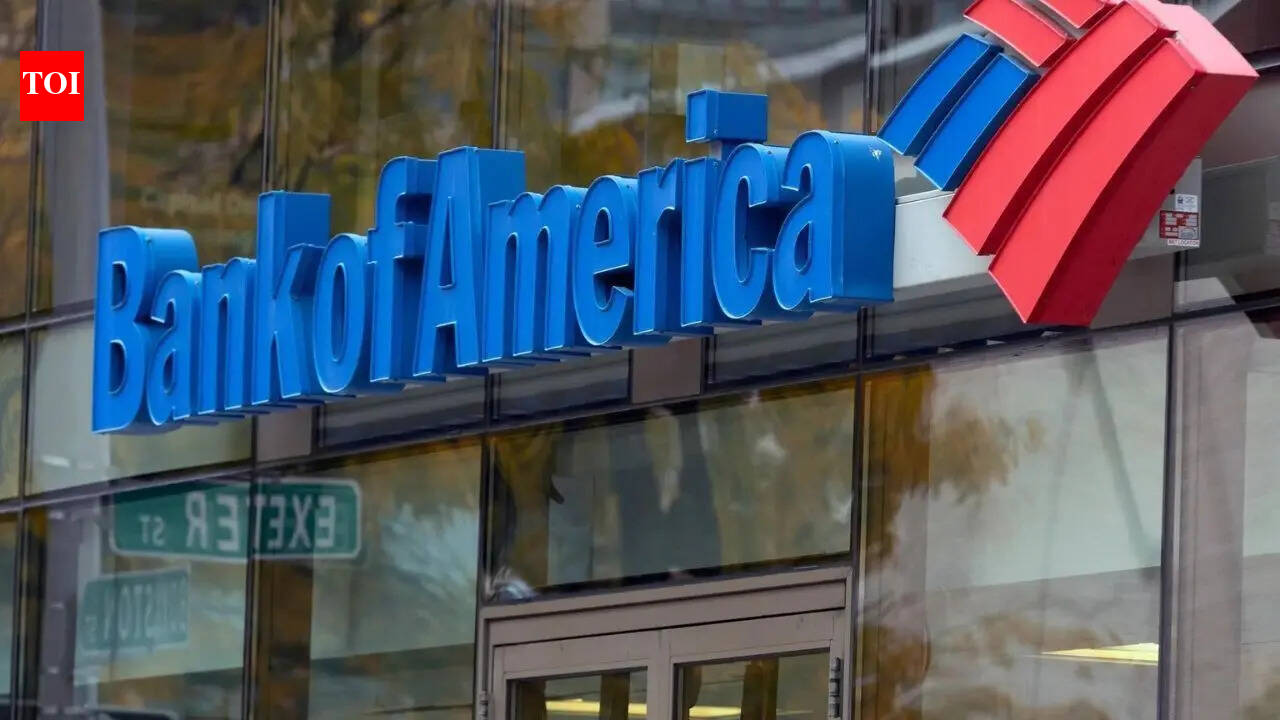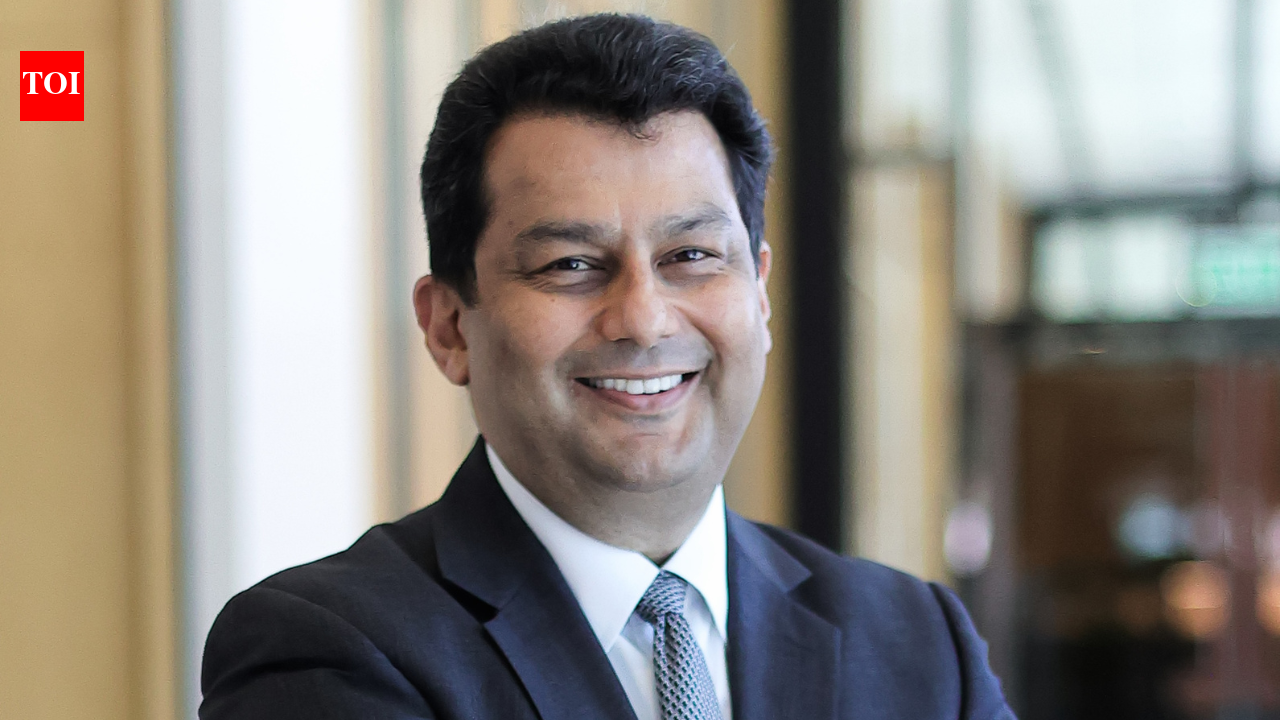
Foreign investment in India has seen a dip, but according to Vikram Sahu, India CEO and Country Executive at Bank of America, this is part of a self-correcting cycle. At a recent investor conference, Sahu noted a 20% rise in foreign institutional investor participation from the previous year, indicating sustained interest in India's market.
Economic Environment and Policy Resilience
India is navigating a complex environment with domestic and external challenges, including border tensions and shifting trade dynamics. However, Sahu praised the government's pragmatic approach, highlighting continued reforms and improved ease of doing business. This resilience is expected to maintain stability and advance long-term growth priorities.
"Policymakers have shown a willingness to listen, adapt, and recalibrate," said Sahu, emphasizing the administration's focus on reducing 'regulatory cholesterol'.
Foreign Investment Trends
Foreign institutional investor participation is at its lowest in over a decade, driven by high valuations and macroeconomic uncertainties. Sahu noted that about 18 months ago, India was trading at a significant premium, which has since corrected. This cycle of recalibration is expected to align valuations and expectations over time.
| Factor | Impact |
|---|---|
| Valuations | High, leading to recalibration |
| Macroeconomic Uncertainty | Increased, affecting investor confidence |
| Policy Reforms | Positive, improving business environment |
Implications for Trade and Business
The dip in foreign investment could impact the cost of capital for trade finance, as businesses might face higher hedging costs due to currency volatility. However, as the investment cycle corrects, improved business conditions and policy reforms are likely to attract more durable foreign capital.
Economists like John Doe from the IMF suggest that India's focus on regulatory improvements will enhance its competitiveness in the global market, potentially boosting export performance as currency stability returns.
Conclusion
While the current dip in foreign investment presents challenges, the cyclical nature of these trends, combined with India's policy resilience, suggests a positive outlook for long-term growth. As regulatory friction decreases and the ease of doing business improves, foreign investment is expected to follow in a more sustained manner.