India's foreign portfolio investment (FPI) debt inflows have reached a significant milestone, totaling $95.5 billion since FY 1998-99. This figure represents 62% of cumulative equity inflows, underscoring the increasing role of India's debt market in attracting foreign capital.
Context and Market Dynamics
The surge in debt inflows is attributed to India's inclusion in global bond indices and the introduction of the Fully Accessible Route (FAR) for government securities. Since FY25, India has received approximately $19.3 billion in FPI debt inflows, with $11.8 billion coming through the FAR route. This development is pivotal for India's trade finance as it provides a stable source of capital, potentially lowering the cost of capital for businesses engaged in international trade.
Expert Insights
According to DSP Mutual Fund, India is well-positioned to attract further debt inflows due to real government security yields above 2% and a broad real effective exchange rate (REER) below 90. The fund highlights that foreign investors are drawn to markets offering positive real yields, stable currency expectations, and easier market access.
"Removal of capital gains tax can improve access further — making FAR a quasi-open, tax-efficient window for global investors," noted DSP Mutual Fund.
Implications for Trade and Business
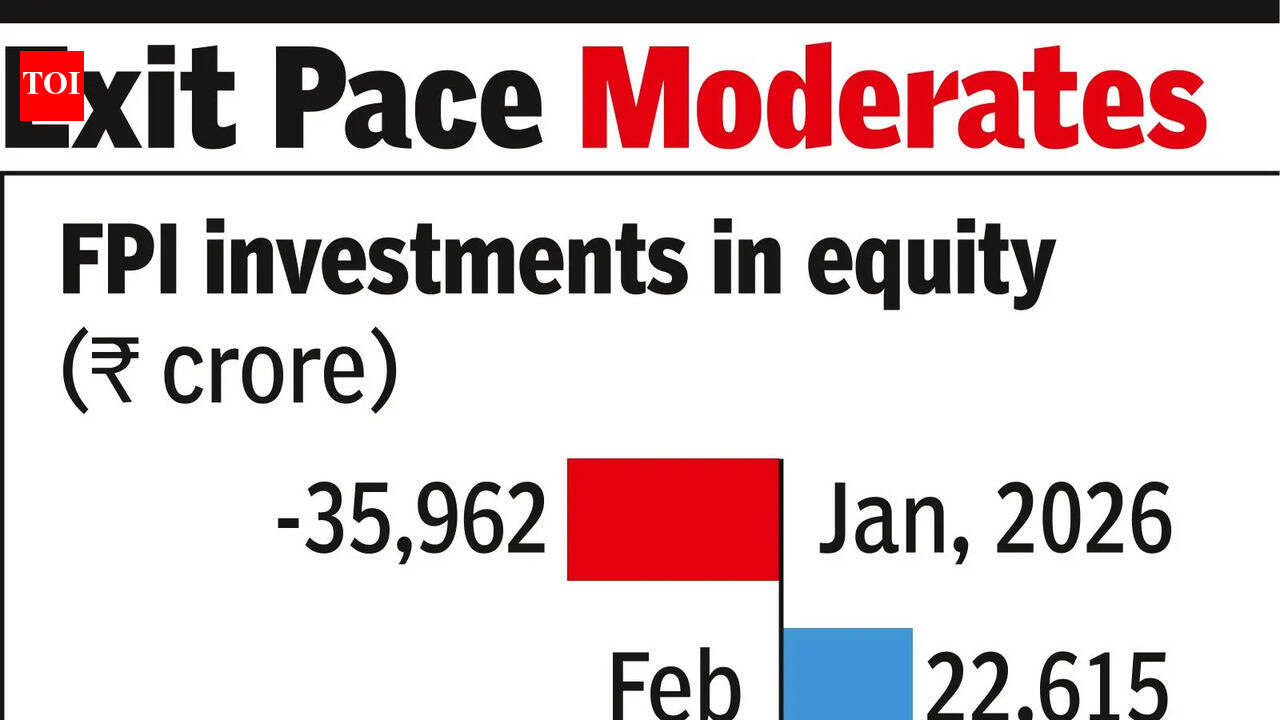
The increase in FPI debt inflows is crucial at a time when equity FPI flows are weak and foreign direct investment (FDI) outflows exert pressure on the capital account. Debt inflows can help bridge the current account deficit and alleviate pressure on the rupee, providing a buffer for India's external sector.
| Metric | Value (USD Billion) |
|---|---|
| Total FPI Debt Inflows since FY99 | 95.5 |
| Total Equity Inflows since FY99 | 154.4 |
| FPI Debt Inflows since FY25 | 19.3 |
| FAR Route Inflows since FY25 | 11.8 |
The strategic positioning of India's debt market as a preferred destination for foreign capital can enhance the country's trade finance landscape, offering businesses more competitive financing options and supporting economic growth.
Conclusion
India's robust FPI debt inflows highlight the country's evolving financial landscape and its potential to attract sustained foreign investment. This trend is likely to continue, providing a stable foundation for trade finance and international business operations.