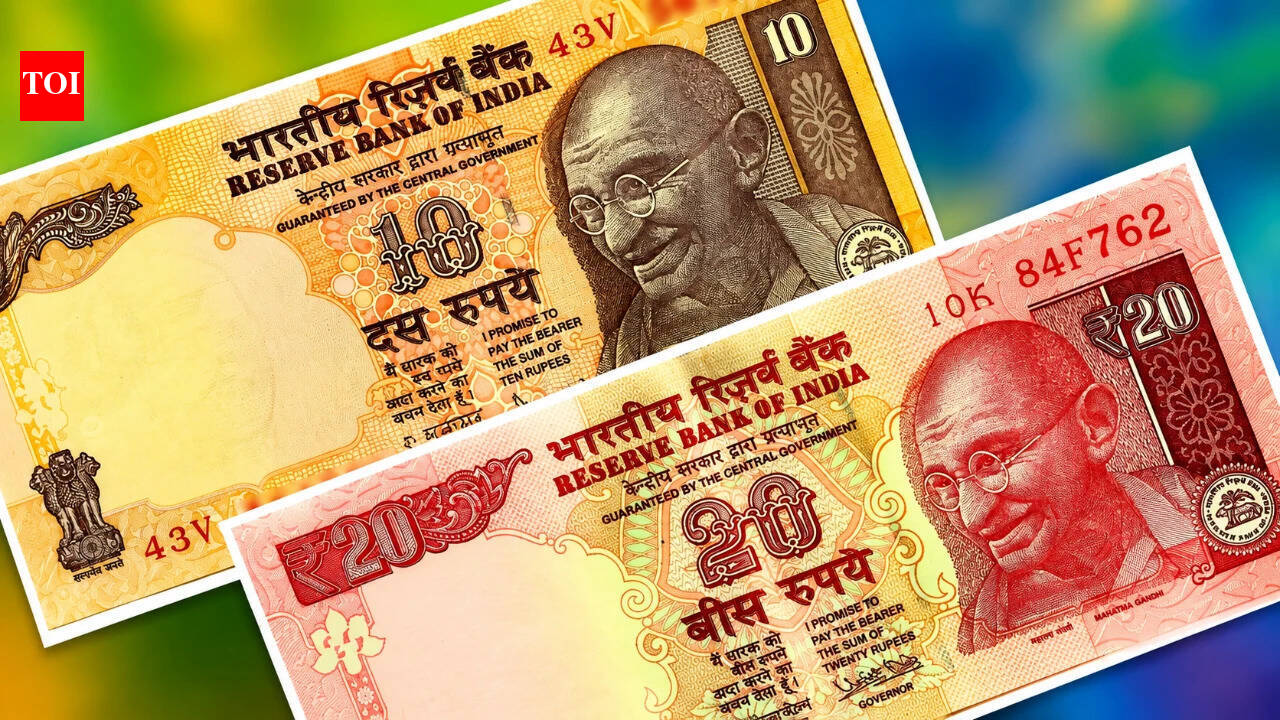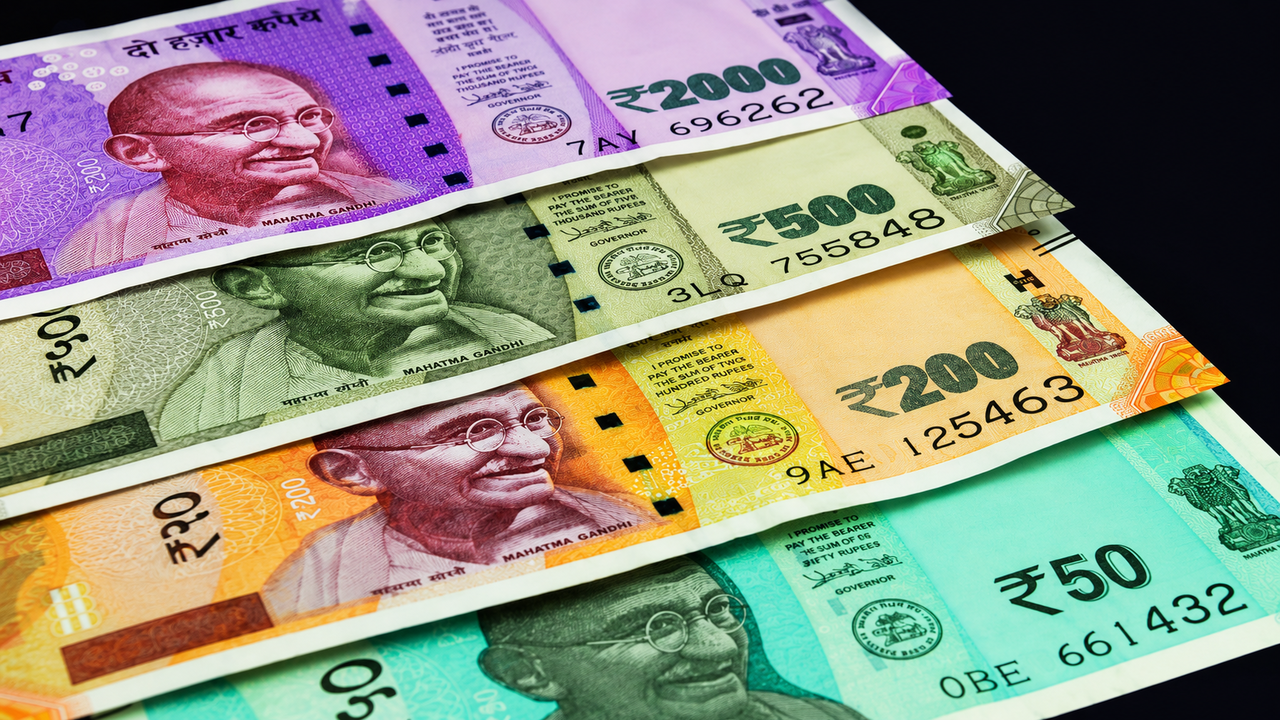
India's banknotes may soon receive a plastic makeover. The Reserve Bank of India (RBI) , through its currency printing subsidiary Bharatiya Reserve Bank Note Mudran (BRBNMPL) , has invited global and domestic manufacturers to bid for the specialised material needed to print polymer banknotes, according to Business-Today . Initial notes are likely to be in the lower denominations of Rs 10 and Rs 20 , sources cited by ANI reported.
Polymer Banknotes: Key Features
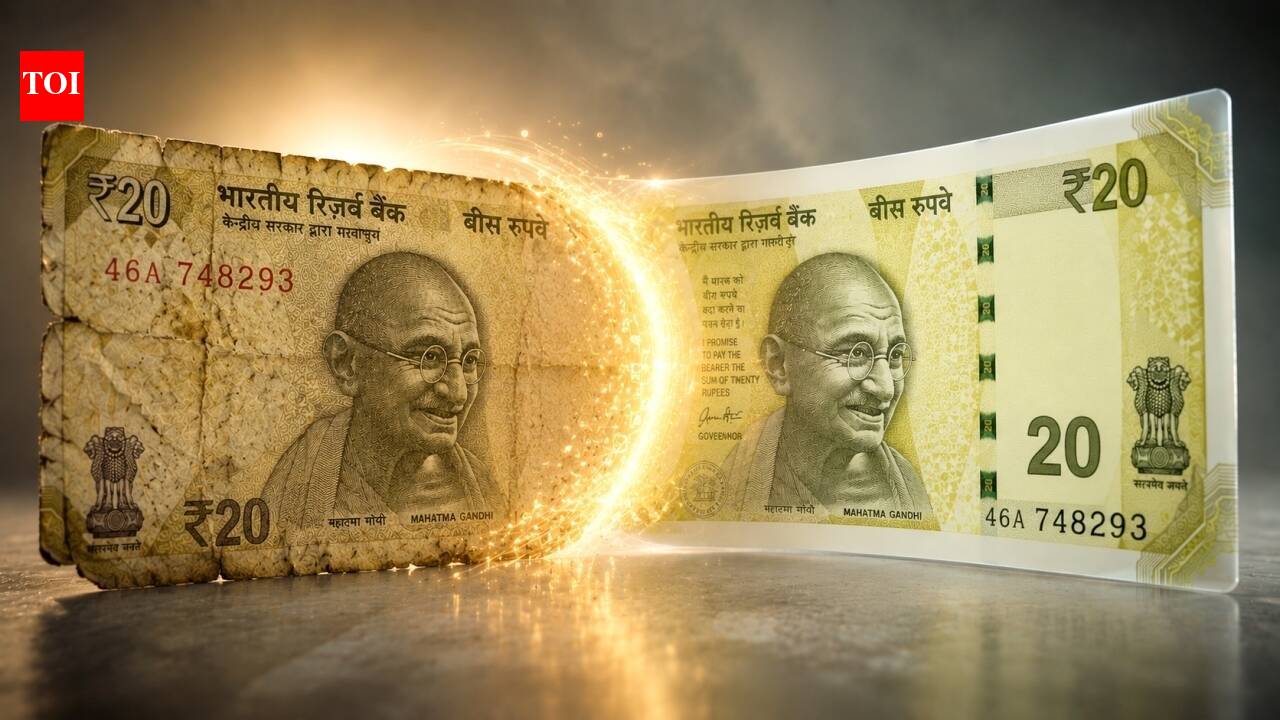
Polymer banknotes are made using a special plastic substrate instead of the cotton-pulp paper currently used for Indian currency, according to Business-Today . First developed in Australia, polymer notes have since been adopted by countries including the United Kingdom, Canada, New Zealand and Singapore .
As compared to conventional paper notes, polymer banknotes are more durable, resistant to moisture and dirt, and can withstand heavy circulation for much longer. Studies conducted globally have shown that polymer notes can last at least twice as long as paper notes and, in some cases, up to five times longer , according to Business-Today . Because they remain in circulation for longer periods, they also need to be replaced less frequently, potentially reducing printing and replacement costs over time.
| Feature | Paper Notes | Polymer Notes |
|---|---|---|
| Durability | Lower lifespan; prone to tearing and soiling | At least 2x longer; up to 5x longer in some cases |
| Resistance | Sensitive to moisture and dirt | High resistance to moisture and dirt |
| Cost over time | Frequent replacement | Reduced printing and replacement costs |
| Security features | Limited; easier to counterfeit | Advanced: transparent windows, holograms, colour-shifting elements |
Tender Details and Security Conditions
BRBNMPL has issued an Expression of Interest (EoI) seeking suppliers of opacified polymer substrate sheets embedded with security features, Business-Today reported. Interested manufacturers have been asked to submit their bids by August 18 .
For its initial requirement, BRBNMPL has estimated a demand of 68,000 reams, with around 34,000 reams each earmarked for two denominations. The company has clarified that this quantity is only for initial requirements and that larger orders are likely only after successful field trials.
The procurement comes with detailed eligibility requirements and security safeguards:
- Only manufacturers that have supplied polymer banknote substrates with embedded security features to central banks or banknote printing organisations for at least the past three years are eligible.
- They must be capable of supplying at least 20,400 reams, equivalent to 30% of the indicative requirement.
- The tender bars bidders from sourcing raw materials for India-specific banknote substrates from China or Pakistan.
- Manufacturers will require government security clearance, must ring-fence any operations in those countries from the India contract, and must undertake not to supply India's customised substrate to any third country.
Why RBI Is Moving to Polymer
One of the key reasons behind the proposal is the deterioration of paper currency caused by frequent handling and India's varied climatic conditions, according to Business-Today . According to RBI data, nearly two lakh damaged currency notes are withdrawn and destroyed every year. High-value denominations such as Rs 100 and Rs 500 account for a large share of the damaged notes removed from circulation.
Polymer notes can incorporate advanced security features such as transparent windows, holograms, colour-shifting elements and other anti-counterfeiting measures that are more difficult to replicate than traditional paper currency. The RBI's data has shown a rise in fake high-denomination notes detected in recent years, particularly Rs 500 notes. Countries that have adopted polymer currency have generally reported lower levels of successful counterfeiting. Australia, which fully switched to polymer notes by the mid-1990s, says its latest generation of notes includes multiple advanced security features that make them extremely difficult to counterfeit.
The latest development comes weeks after Reserve Bank of India Governor Sanjay Malhotra said the central bank was examining the possibility of introducing polymer notes, according to Business-Today .
Implications for Treasury and Trade Finance
For CFOs and treasury professionals in India, a shift to polymer notes could reduce the cost of cash handling and logistics over time, as notes last longer and require less frequent replacement. Enhanced security features may also lower the risk of counterfeit notes entering the financial system, a concern that has been rising with the detection of fake Rs 500 notes. While the initial procurement of 68,000 reams is modest, successful field trials could lead to wider adoption across denominations, potentially affecting currency supply chains and cash management practices for businesses with significant cash operations.
Sources: