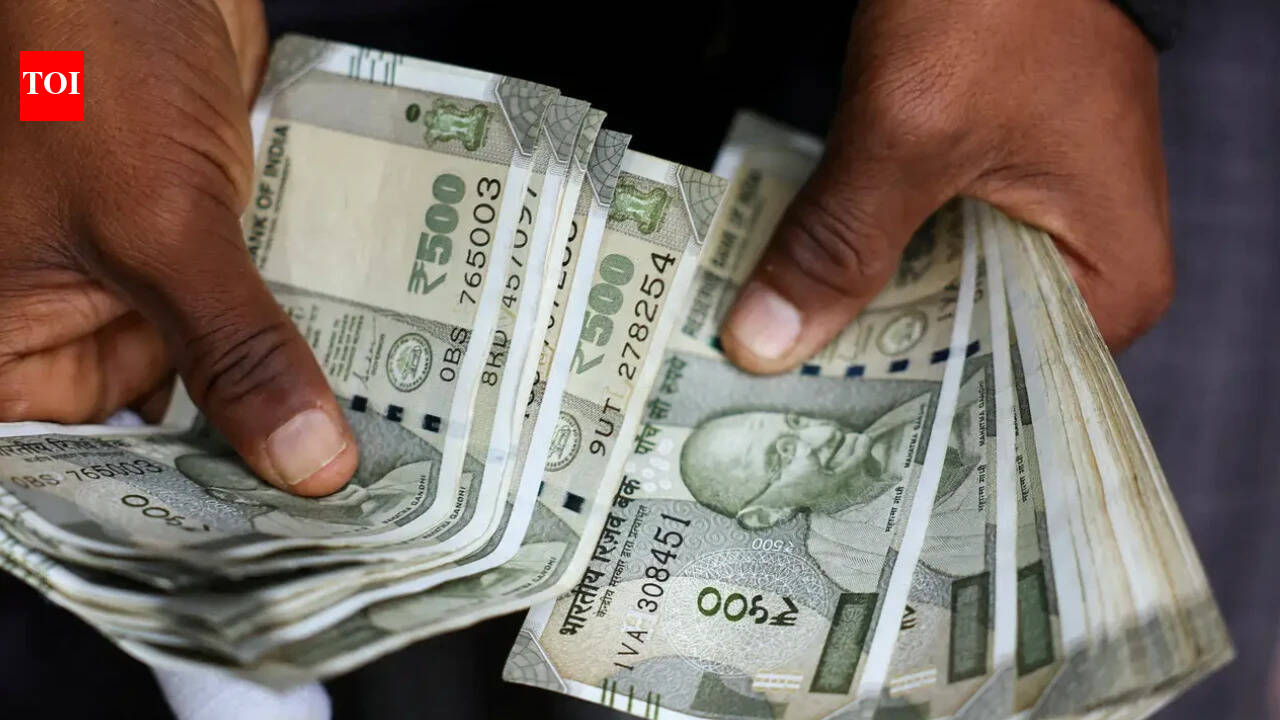
The Indian rupee has recovered from its all-time low of 96.96 against the dollar in May 2026 to currently trade at 94.33, according to a report in BusinessLine. The domestic currency is still down 6% for the year so far. The recovery has been supported by the US-Iran peace deal, which pulled oil prices sharply lower, and the Reserve Bank of India’s recent measures to attract foreign money inflows.
The rupee has not only weakened against the dollar but also against other major and emerging market currencies. It is down in the range of 3-5% against the euro, yen and British pound. The picture is poorer against emerging market currencies: the rupee has fallen 10% against the Brazilian real and 14% against the Russian ruble, and is down 8% against the Chinese yuan.
Key Drivers of the Rupee’s Decline
Two major factors dragged the rupee lower earlier this year: crude oil prices and strong foreign money outflows.
Crude Oil and the Trade Deficit
Brent crude oil prices spiked from around $70 per barrel in February to a high of about $119 in March, driven by fears of supply disruption after the US-Iran war. Oil is India’s major import component, accounting for an average of 25% of total imports. The surge increased India’s import bill by 23%, from $59.59 billion in March to $73.41 billion in May. Consequently, the merchandise trade deficit widened from $20.67 billion to $28.21 billion over the same period, a sharp increase of 36%.
| Period | Import Bill ($ bn) | Trade Deficit ($ bn) |
|---|---|---|
| March 2026 | 59.59 | 20.67 |
| May 2026 | 73.41 | 28.21 |
| Change | +23% | +36% |
Foreign Portfolio Outflows
Foreign portfolio investors (FPIs) have been on a selling spree, especially in equities, since last year. They pulled out $18.91 billion last year, the highest full-calendar year outflow in data going back to 2005. This year may turn out to be worse: data show a net outflow of $28.6 billion so far in 2026.
Oil Price Scenarios
Brent crude is currently at $80.55 per barrel, having fallen sharply below $100 over the past month. This decline has helped the rupee recover. However, the report notes that on the charts, there is strong support around $75 and $70. Considering the recent sharp fall, it may be difficult for prices to decline below this level. There is a good chance that prices could bounce back from around $70 towards $85 or even $90. Unless geopolitical tensions worsen, oil prices are unlikely to move above $100 again.
India’s average crude basket price for the full fiscal year 2025-26 was $71 per barrel. The basket price now stands at $103.9 per barrel for the current fiscal year so far. For this to fall to $70 or lower, oil prices would have to decline and sustain below $60 — an outcome the report describes as less likely. Therefore, major relief on the import bill compared with last fiscal year is unlikely.
Implications for Trade Finance and FX Hedging
For CFOs and treasury directors, the rupee’s volatility and the persistent current account pressure from oil imports mean that hedging costs for INR exposures remain elevated. The widening trade deficit — up 36% in two months — raises the cost of trade finance as banks factor in higher country risk and demand for dollars. FPIs’ continued selling of Indian equities adds to capital outflow pressure, offsetting the RBI’s measures to attract inflows. If oil prices stabilise in the $70-90 range as suggested, the rupee may hover around current levels, but a sustained break below $70 for crude would be needed for a meaningful appreciation. Corporates with foreign currency liabilities should lock in hedges given the uncertainty, while importers of oil and other commodities face higher working capital costs due to the larger import bill.
Sources: