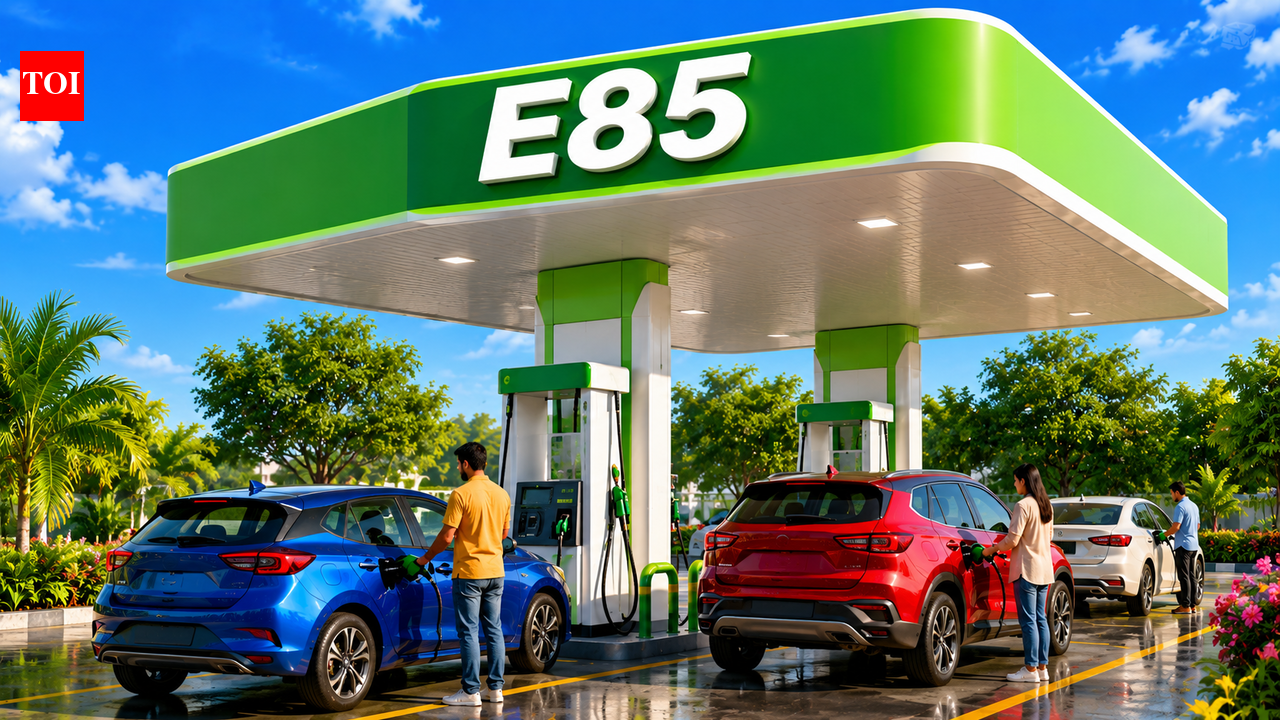
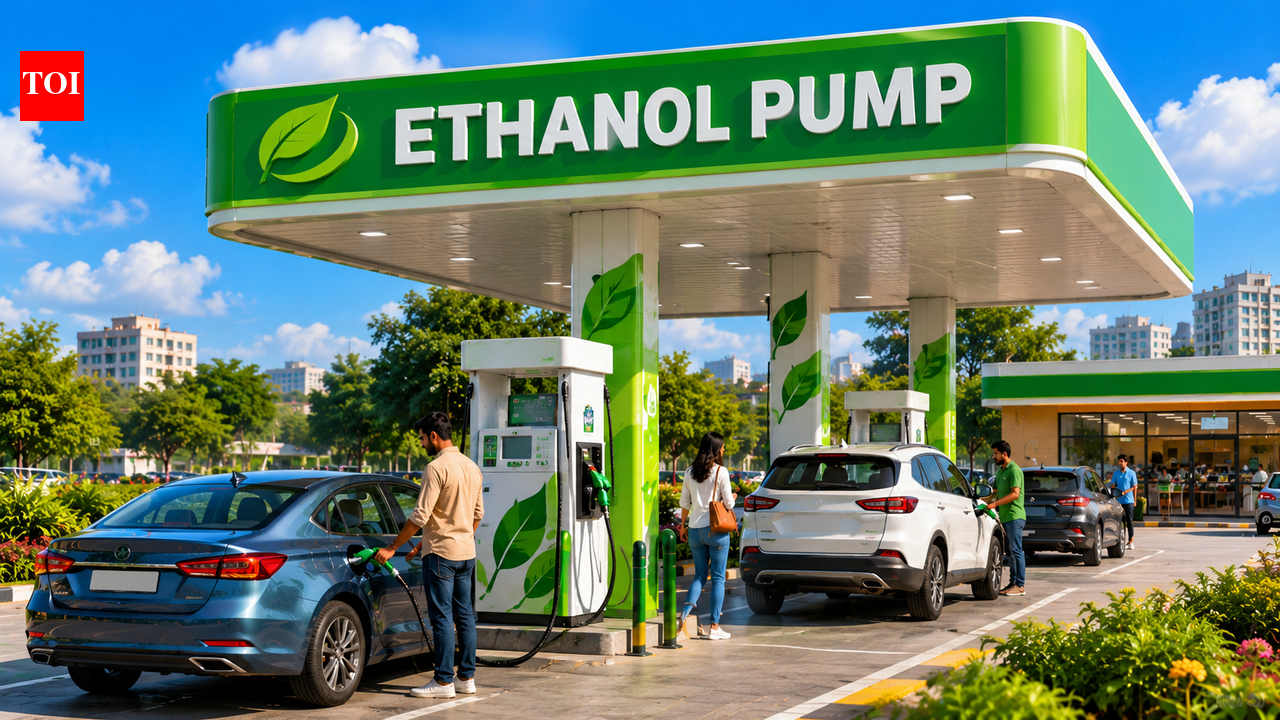
To accelerate its Ethanol Blending Programme (EBP) by granting complete excise duty exemptions on higher ethanol-blended petrol variants -- specifically targeting E22, E25, E27, and E30 blends – the Centre is establishing a financial and technical framework designed to curb India’s reliance on expensive crude oil imports. However, this may not be enough, according to the All India Distillers’ Association (AIDA).
Policy and Tax Alignment
Bharati Balaji, Deputy Director General of AIDA, told businessline that excise exemptions provide a vital commercial route for surplus ethanol capacity, which currently exceeds E-20 programme requirements. AIDA is urging state governments to align tax structures to ensure benefits reach consumers, while actively collaborating with the Ministries of Petroleum & Natural Gas, Road Transport, and Food to address concerns regarding reduced fuel efficiency.
AIDA represents top grain, molasses, and integrated distilleries that control about 80 per cent of India’s ethanol production, as Balaji explained. Fuel ethanol is a substantial, fast-growing part of the distillery ecosystem, driven by market demand and government policy.
Consumer Awareness and Mileage Concerns
“Consumer awareness is a vital pillar for the long-term success of India’s ethanol blending program,” Balaji said. Historically, introducing new products to the Indian market triggers immediate resistance, as seen when chemical manufacturers protested molasses procurement during the program’s initial rollout. These challenges are simply standard, temporary hurdles, she added.
Balaji emphasised that while ethanol’s lower energy content might slightly reduce fuel mileage, the issue must be viewed through a broader lens. She urged a focus on overall vehicle technology, efficiency, carbon emissions, running costs, energy security, and environmental benefits.
“The minor mileage drop we are talking about applies to vehicles built before 2023,” she said, adding that “It is important to note that modern vehicles are designed and calibrated for E20. In fact, they are engineered to optimize performance, emissions, and fuel efficiency under higher ethanol blends.”
Capacity and Demand Landscape
India’s current installed ethanol capacity stands close to 2,000 crore litres, according to Balaji. The EBP requires 1,100 crore litres, and alternative sectors—including potable alcohol, pharmaceuticals, and chemicals—consume 334 crore litres, resulting in total demand of 1,434 crore litres. This leaves the industry with a notable surplus capacity of approximately 566 crore litres.
| Metric | Volume (crore litres) |
|---|---|
| Installed capacity | 2,000 |
| EBP requirement | 1,100 |
| Alternate sectors demand | 334 |
| Total demand | 1,434 |
| Surplus capacity | 566 |
The surplus underscores the need for policies like excise exemptions to absorb excess production and reduce India’s dependence on imported crude oil. AIDA is actively working with government ministries to resolve consumer doubts, which Balaji described as temporary hurdles that can be overcome through education and uniform state tax policies.
Sources: