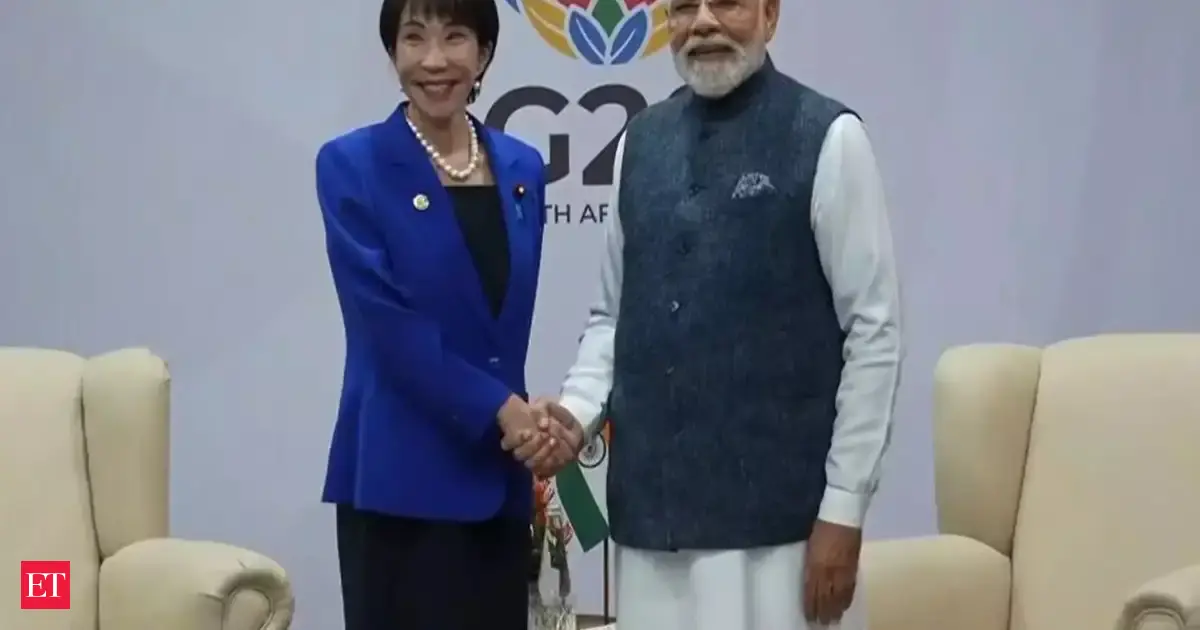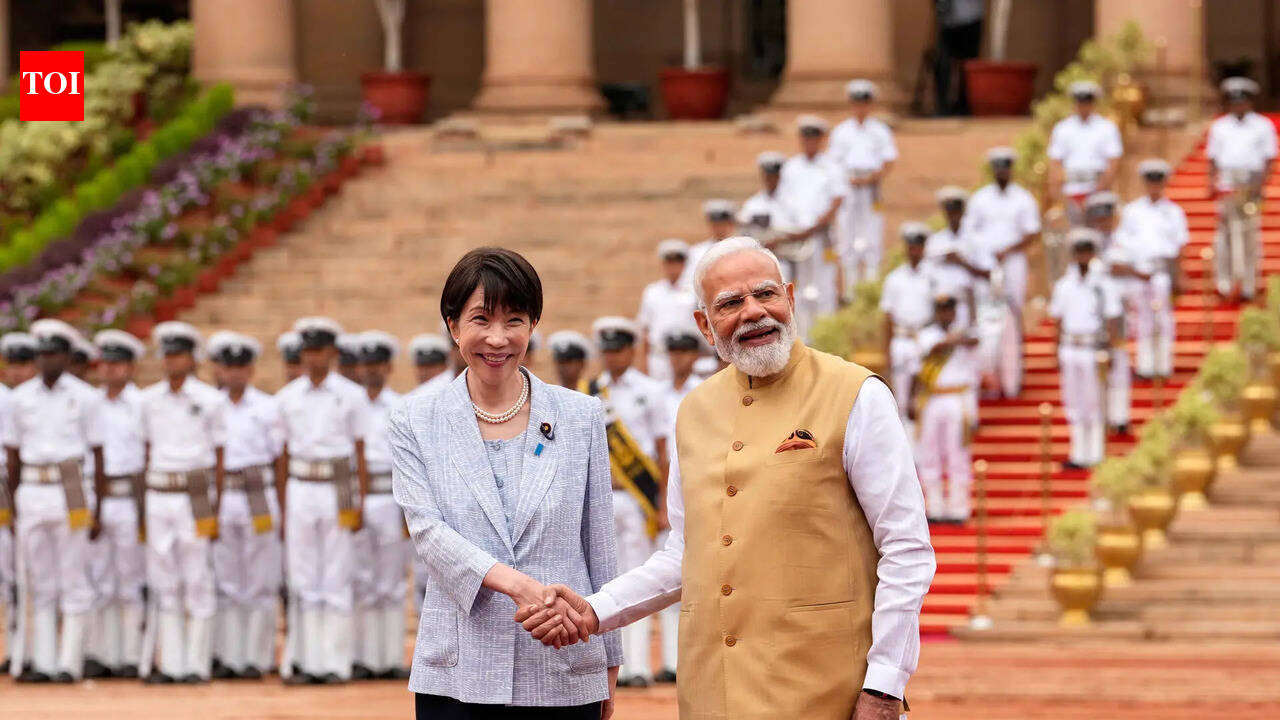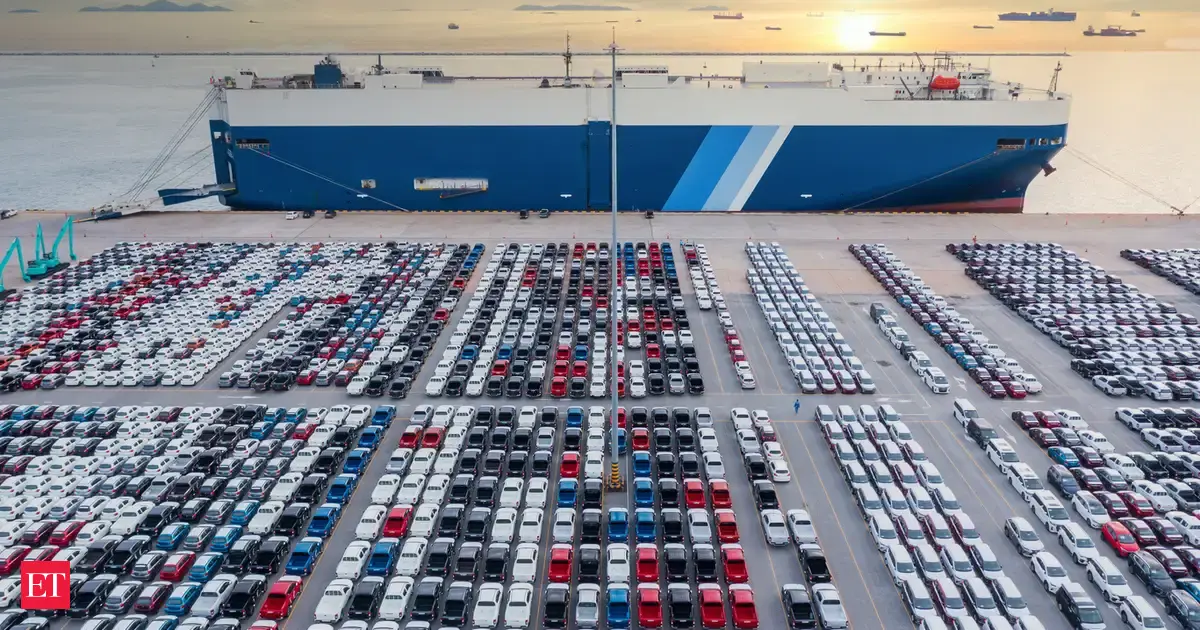
Automobiles have emerged as the biggest driver of India's export growth to Japan, according to the 'India-Japan Business Scenario' report by Rubix Data Sciences. The report was released ahead of Japanese Prime Minister Sanae Takaichi's three-day visit to India starting July 1, 2026, for the 16th India-Japan Annual Summit.
Export and Import Trends
India's goods exports to Japan increased from USD 4.4 billion in FY21 to USD 6.2 billion in FY25, the Rubix Data Sciences report said. Imports, on the other hand, rose from USD 10.9 billion to USD 18.9 billion over the same period.
| Metric | FY21 | FY25 |
|---|---|---|
| Exports (USD bn) | 4.4 | 6.2 |
| Imports (USD bn) | 10.9 | 18.9 |
| Trade Deficit (USD bn) | 6.5 | 12.7 |
Widening Trade Deficit
India's trade deficit with Japan grew more than two times, from USD 6.5 billion in FY21 to USD 12.7 billion in FY25, driven by faster growth in imports than exports. The report noted that industrial raw materials and high-value inputs dominate imports, led by refined copper and copper alloys and precious metals in FY2026.
Technology-Intensive Imports Gain Share
Technology-intensive imports also gained importance, with auto components, flat-rolled alloy steel, and electronic integrated circuits (EICs) increasing their share of imports, the report added.
Exports Diversify Beyond Automobiles
Exports of engineering and industrial products gained prominence, with unwrought aluminium and turbo jets and propellers increasing their shares from 3% to 6% and 1% to 6%, respectively, according to the report.
Japanese Investment Sentiment
India remained the most promising investment destination for Japanese companies for the fourth consecutive year, with 81.5% of Japanese firms planning to expand operations in India over the next 1-2 years, the Rubix Data Sciences report stated.
The findings underscore the deepening bilateral economic ties, with automobiles leading export growth while imports of industrial raw materials and technology-intensive goods continue to rise. Trade professionals should monitor the evolving product composition and investment trends as the India-Japan partnership strengthens.
Sources: