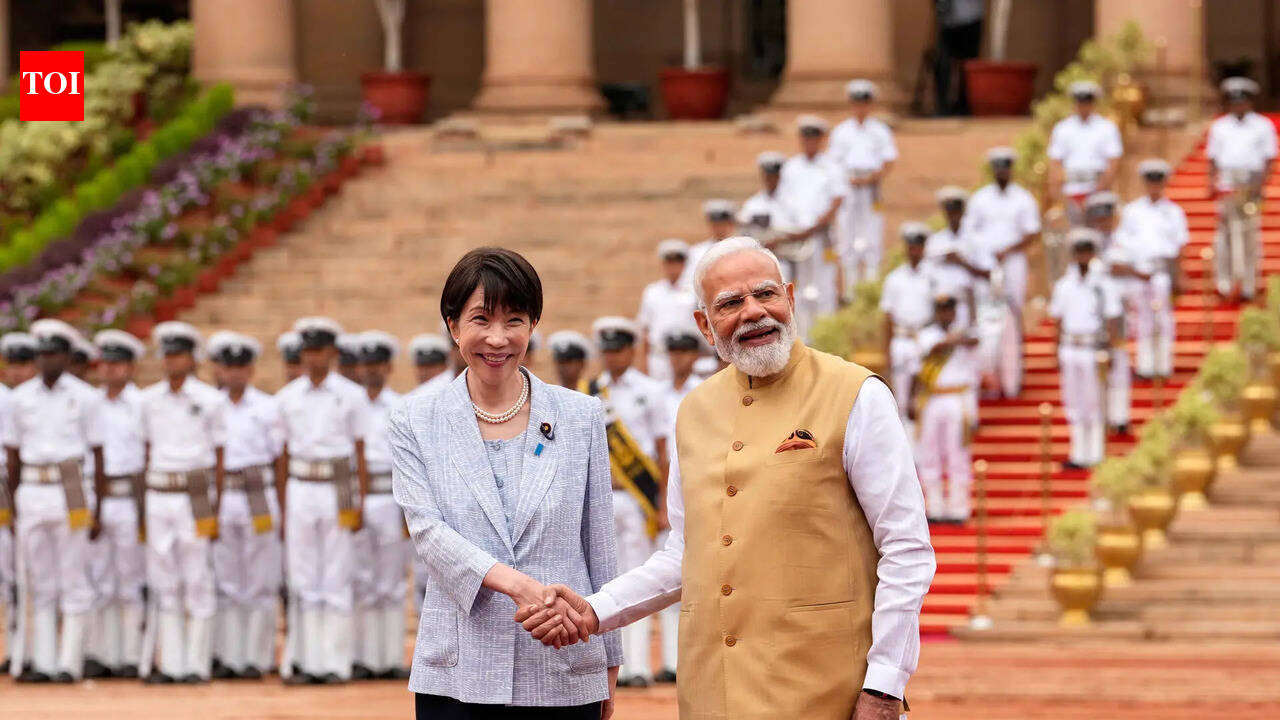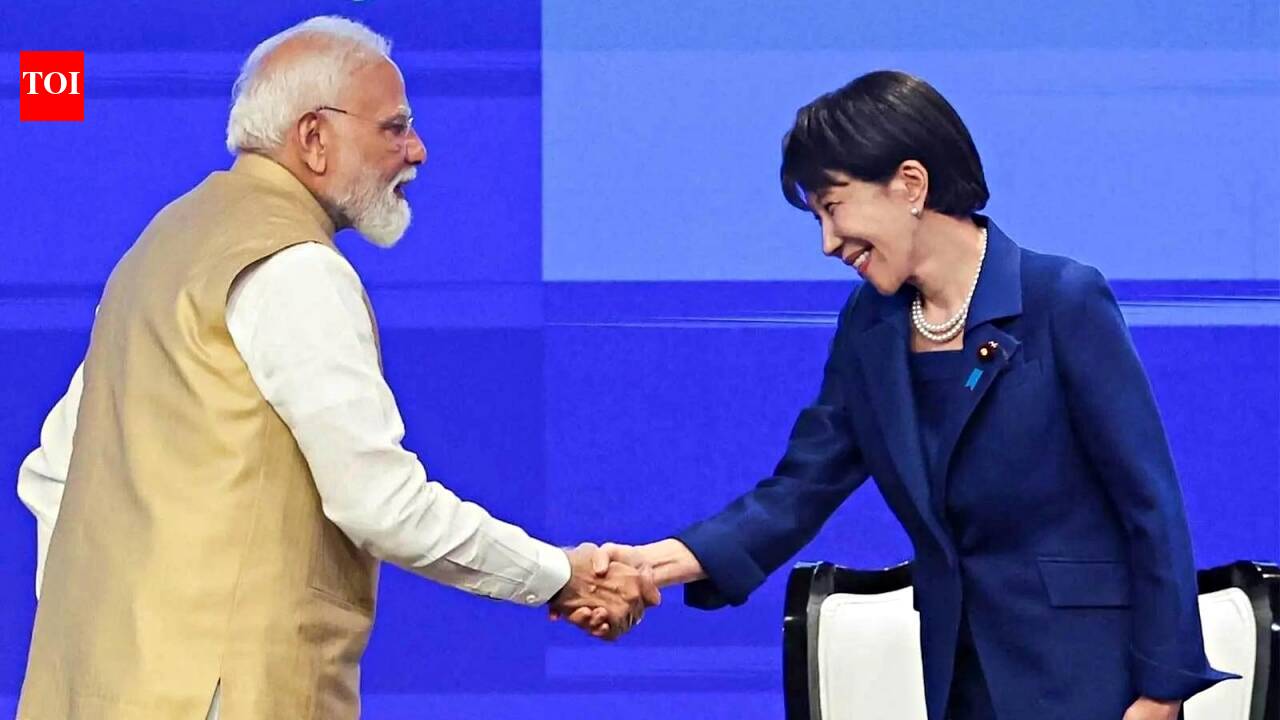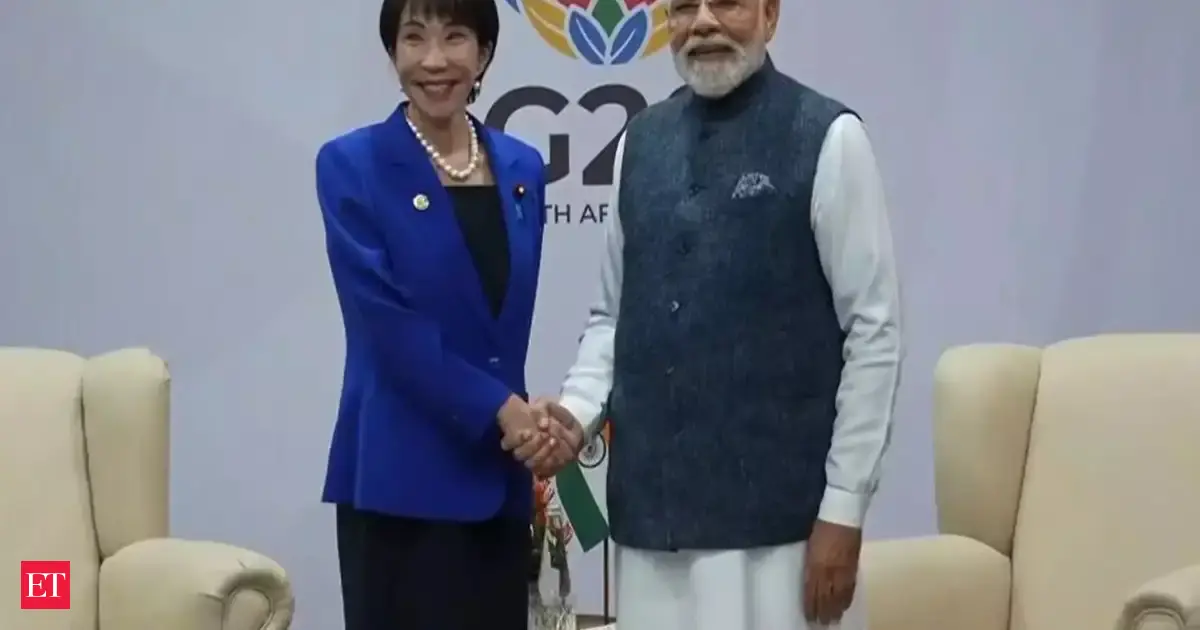
The India-Japan annual summit between Prime Minister Narendra Modi and Japanese Prime Minister Sanae Takaichi concluded with the exchange of memoranda of understanding (MoUs) covering economic cooperation, artificial intelligence, and metals and energy security, according to the Economic Times.
Economic Security Takes Centre Stage
Economic security has emerged as a defining pillar of India-Japan relations, with the two governments focusing on five priority sectors: semiconductors, critical minerals, pharmaceuticals, clean energy, and information and communication technology (ICT), the Economic Times reported. The summit is expected to deepen cooperation in these areas, alongside artificial intelligence, where opportunities exist to combine Japanese manufacturing strengths with India's digital ecosystem.
The institutional framework for this cooperation has been steadily built over the past few years:
- A memorandum on semiconductor supply chains was signed in 2023.
- An agreement on mineral resources followed in 2025.
- The first joint working group under the critical minerals partnership met earlier this year.
- The second India-Japan Economic Security Dialogue was held in May.
On energy security, India and Japan are likely to conclude an agreement on liquefied natural gas (LNG) cooperation and establish a joint task force on LNG stockpiling and information sharing, reflecting concerns over global supply disruptions. Both governments also expressed concerns over economic coercion and non-market practices affecting global supply chains, including restrictions on rare earth exports, according to Japanese media citing the draft joint statement.
Investment Push Gathers Momentum
The summit coincides with a significant push by Japanese industry into India. More than 150 Japanese companies are participating in the Japan-India Economic Forum held alongside the summit, the Economic Times reported. Approximately 120 cooperation agreements are expected to be announced, with a total value of around ¥2 trillion (roughly $12.5 billion), spanning semiconductors, clean energy, artificial intelligence, and manufacturing, as reported by The Yomiuri Shimbun.
Among the announced projects:
- Fujifilm's semiconductor materials facility.
- Suzuki's biogas initiative.
- Collaborations between Japanese and Indian AI startups.
External Affairs Ministry spokesperson Randhir Jaiswal described the partnership as "anchored in trust, shared values and strategic convergence."
| Sector | Cooperation Status | Key Details |
|---|---|---|
| Semiconductors | MoU signed in 2023 | Supply chain partnership; Fujifilm facility planned |
| Critical Minerals | Agreement in 2025; Joint Working Group met | First meeting earlier in 2026 |
| Energy (LNG) | Likely agreement during summit | Joint task force on stockpiling and info sharing |
| Clean Energy | Part of investment push | Suzuki biogas initiative |
| AI & ICT | Focus of MoUs and collaboration | Japanese-Indian AI startup partnerships |
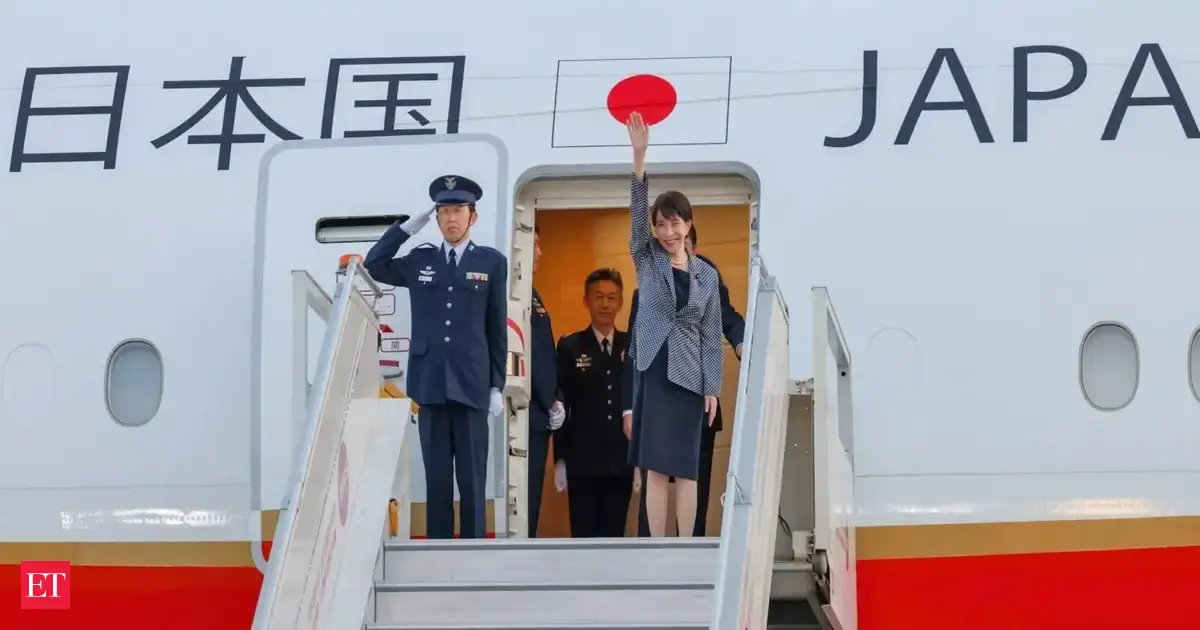
Prime Minister Takaichi is on a three-day visit to India, her first official trip since taking office. The summit outcomes reinforce a deepening bilateral relationship with a strong economic security dimension, offering significant opportunities for trade and investment in critical technology sectors.
Sources: