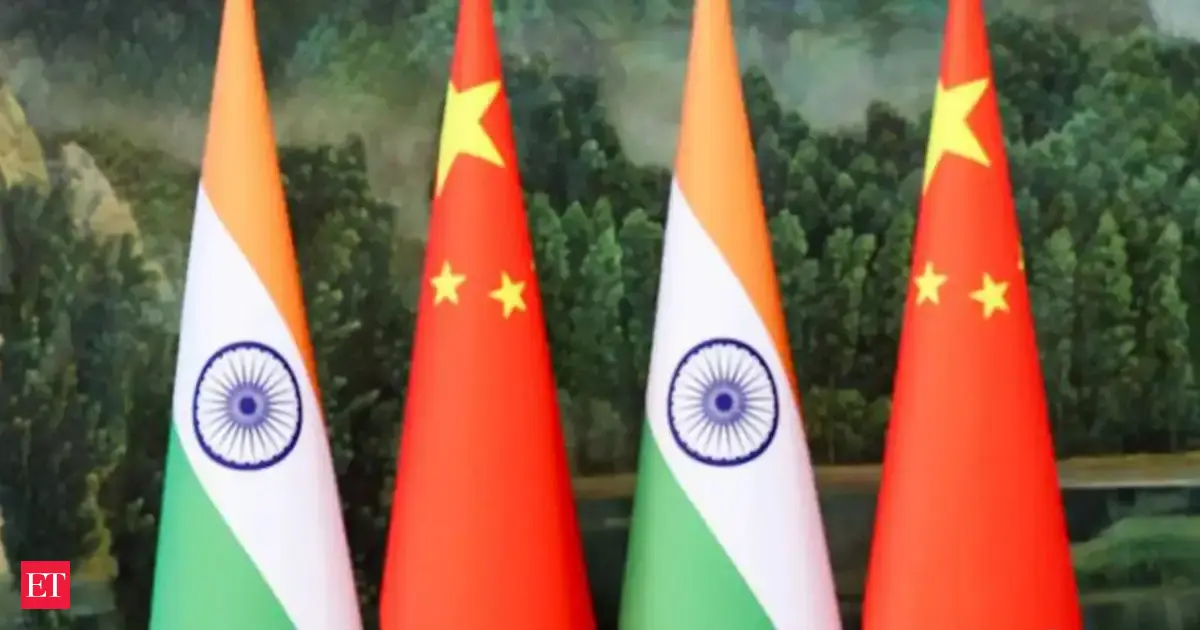
India has granted an exemption to four Chinese power equipment manufacturers with production facilities in the country, allowing them to participate in government tenders for critical power projects, according to a finance ministry order dated June 24, as reported by Reuters.
The exemption applies to TBEA Energy, Nanjing Electric India, New Northeast Electric India, and Taikai Electric (India). The order follows a request made by the power ministry in January seeking relaxation for companies with manufacturing units in India involved in critical power infrastructure projects. The exemption will remain valid for two years from the date of issuance and, according to the order, should not be treated as a precedent for other companies.
Background: Tightened Restrictions Since 2020
Since the deadly border clash between Indian and Chinese troops in eastern Ladakh in 2020, New Delhi has required Chinese bidders to register with a government panel and obtain political as well as security clearances before participating in any government procurement process. In January, the government was examining broader relaxations for Chinese companies seeking to participate in public contracts as tensions along the India-China border showed signs of easing.
Political Fallout
The reported exemption drew immediate criticism from the Congress party. Jairam Ramesh, Congress general secretary, accused the Centre of continuing what he called a "calibrated capitulation" to China. In a post on X, Ramesh alleged that the decision came despite continuing border disputes, a widening trade deficit with China, and security concerns. He claimed that China's actions concerning Arunachal Pradesh, the Brahmaputra River, and eastern Ladakh remained unchanged and referred to the 2020 Galwan Valley clash while criticising the government's China policy.
Ongoing Diplomatic Engagement
Despite the political controversy, India and China have continued diplomatic engagement. Last month, officials from both countries held the 35th meeting of the Working Mechanism for Consultation and Coordination (WMCC) on India-China Border Affairs in Beijing, where they reviewed the border situation and expressed satisfaction over efforts to maintain peace and stability along the Line of Actual Control.
Implications for Importers and Exporters
The exemption opens a window for Chinese-origin power equipment supplied by these four companies to enter India's critical power sector without the usual prior clearance. However, the order explicitly states it should not be seen as a precedent, meaning other Chinese firms may not automatically benefit. Trade policy analysts should note that the relaxation is time-bound (two years) and tied to production facilities in India. The political opposition suggests that broader market access for Chinese firms remains sensitive, and any future policy shifts may face continued scrutiny.
Key Details at a Glance
| Entity | Detail |
|---|---|
| Order Date | June 24, 2026 |
| Exempted Companies | TBEA Energy, Nanjing Electric India, New Northeast Electric India, Taikai Electric (India) |
| Validity | Two years from date of issuance |
| Precedent | Not to be treated as a precedent |
| Trigger | Power ministry request in January 2026 |
| 2020 Restrictions | All Chinese bidders required registration with government panel and political/security clearances |
Industry professionals dealing in power transmission and generation equipment should monitor whether the exemption is extended to other Chinese manufacturers or whether the policy is reversed after the two-year period. The diplomatic context—ongoing WMCC meetings and border stability discussions—may influence future trade policy.
Sources: