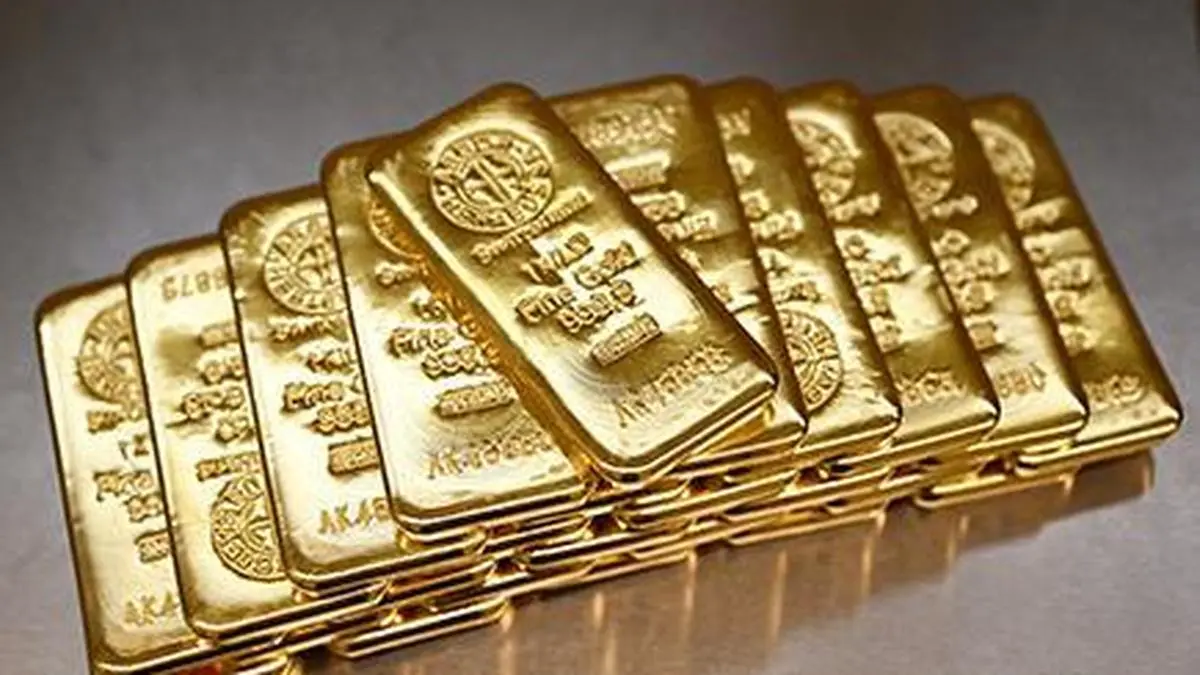
Gold has surpassed US Treasuries as the world's largest reserve asset, driven by price rises and a strategic shift by central banks including India and China, according to a Business Today report. Data from the US Federal Reserve shows India's holdings of US Treasuries fell 22.5% from $232 billion in April 2025 to $181 billion in April 2026, reaching a six-year low. Over the same period, China's holdings declined 12.44% from $743.6 billion to $651.1 billion, making it the biggest seller of US Treasuries since January 2025.
India's Gold Buildup and Repatriation
India's gold reserves have risen sharply: from 658 metric tonnes six years ago to approximately 881 tonnes now—a 33.9% increase, according to RBI data. The Reserve Bank of India has also moved a substantial portion of its gold holdings from abroad back to domestic vaults. From October 2025 to March 2026, over 100 tonnes were repatriated, following 280 tonnes brought back between 2023 and 2025. At the end of March 2026, RBI held 880.52 tonnes of gold, of which 680.05 tonnes (77%) were stored in India, up from just 38% three years earlier. Experts cited in the report see security and cost advantages, as well as reduced vulnerability to external ad-hocism amid geopolitical and tariff uncertainties.
China's Aggressive Treasury Sales
China's reduction in US Treasury holdings has been driven by official policy. According to a Bloomberg report cited by Business Today, China has asked its banks to cut exposure to US Treasuries as a bid to diversify market risk. Despite being the third largest non-US holder, China's holdings have dropped 14% since the start of 2025. The move aligns with a broader trend among major economies to reduce dependency on dollar-denominated assets.
Global Central Bank Gold Demand
A recent World Gold Council report indicates that central banks have bought an average of 1,000 tonnes of gold annually over the past four years—double the 500-tonne average of the preceding decade. Gold's appeal lies in its status as a universal asset not tied to any single country, offering a safe haven in a multipolar world fractured by geopolitics and trade tensions. The report also notes that utilisation of reserves held in US Treasuries must go through formal channels that could become unavailable during crises.
Implications for Trade and Reserves
The shift from US Treasuries to gold has implications for import/export professionals and trade policy analysts. Reduced reliance on US dollar-denominated reserves may affect trade finance channels and settlement mechanisms. India is also stepping up efforts to internationalise the rupee through trade settlements and currency agreements with several countries. As geopolitical and tariff-related uncertainties persist, the trend toward reserve diversification is likely to continue, influencing the cost and availability of dollar-based trade credit.
| Country | US Treasury Holdings (Apr 2025) | US Treasury Holdings (Apr 2026) | Change | Gold Reserves (Current) |
|---|---|---|---|---|
| India | $232 billion | $181 billion | -22.5% | ~881 tonnes |
| China | $743.6 billion | $651.1 billion | -12.44% | N/A |
Sources: