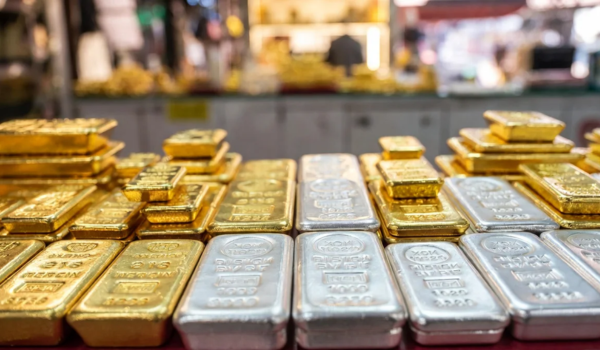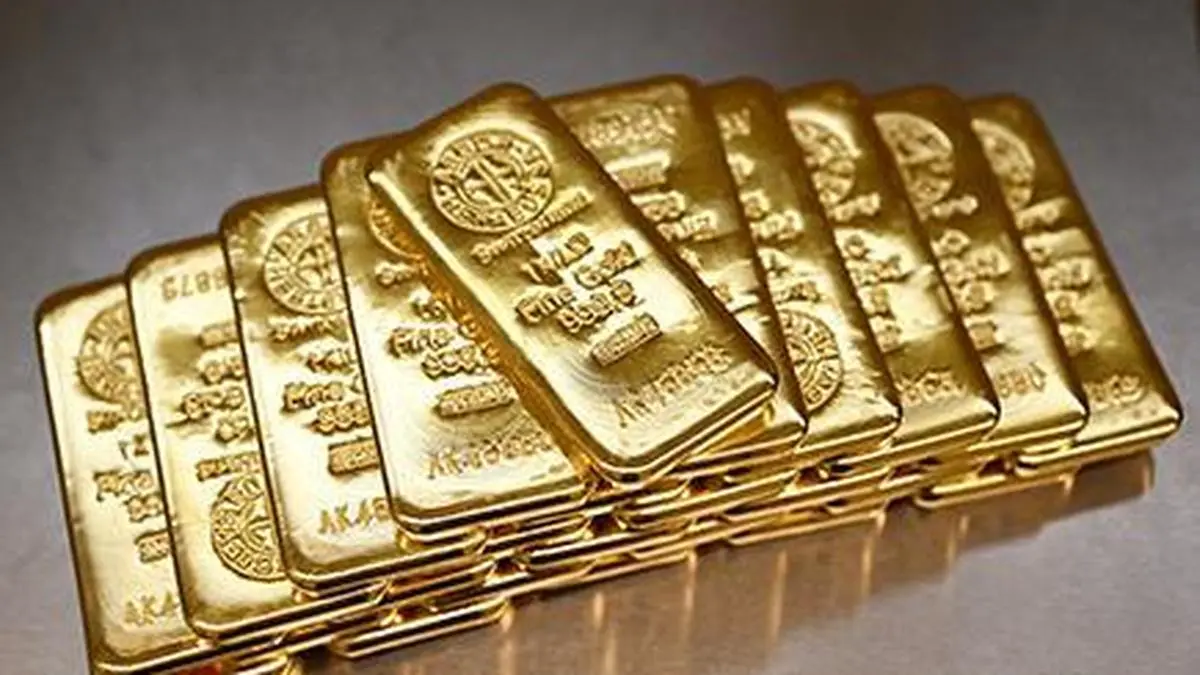
In April, central banks turned net buyers of gold, reversing the trend of net sales observed in March. Poland and China led this shift, purchasing 14 tonnes and 8 tonnes respectively. This move has contributed to a rise in gold prices on the London Metal Exchange (LME), where gold futures for the June contract were trading at $1,950/ounce, marking a 2% increase week-over-week and a 5% rise year-over-year.
Supply Dynamics
The World Gold Council (WGC) reported that central banks purchased a total of 17 tonnes of gold in April. Poland was the top buyer, with its central bank accumulating 45 tonnes since the start of the year, bringing its reserves to 595 tonnes. China's gold reserves now stand at 2,322 tonnes, representing 9% of its total reserves. Meanwhile, Russia continued to sell, offloading 6 tonnes in April.
Demand Trends
The demand for gold is driven by geopolitical uncertainties and inflationary pressures, prompting central banks to bolster their reserves. The consistent buying by China and Poland reflects a strategic move to diversify reserves and hedge against currency fluctuations.
Market Outlook
The outlook for gold remains bullish as central banks continue to purchase the metal. Upcoming data from the US Federal Reserve and European Central Bank meetings may further influence gold prices. Traders are advised to monitor these developments closely.
| Country | April Purchases (tonnes) | Total Reserves (tonnes) |
|---|---|---|
| Poland | 14 | 595 |
| China | 8 | 2,322 |
| Czech Republic | 3 | 79 |
| Russia | -6 | N/A |
"Central banks resumed net gold purchases in April, having bought 17 tonnes. This was a rebound from the sizable net sales reported in March," said Marissa Salim, Senior Research Lead, APAC, WGC.