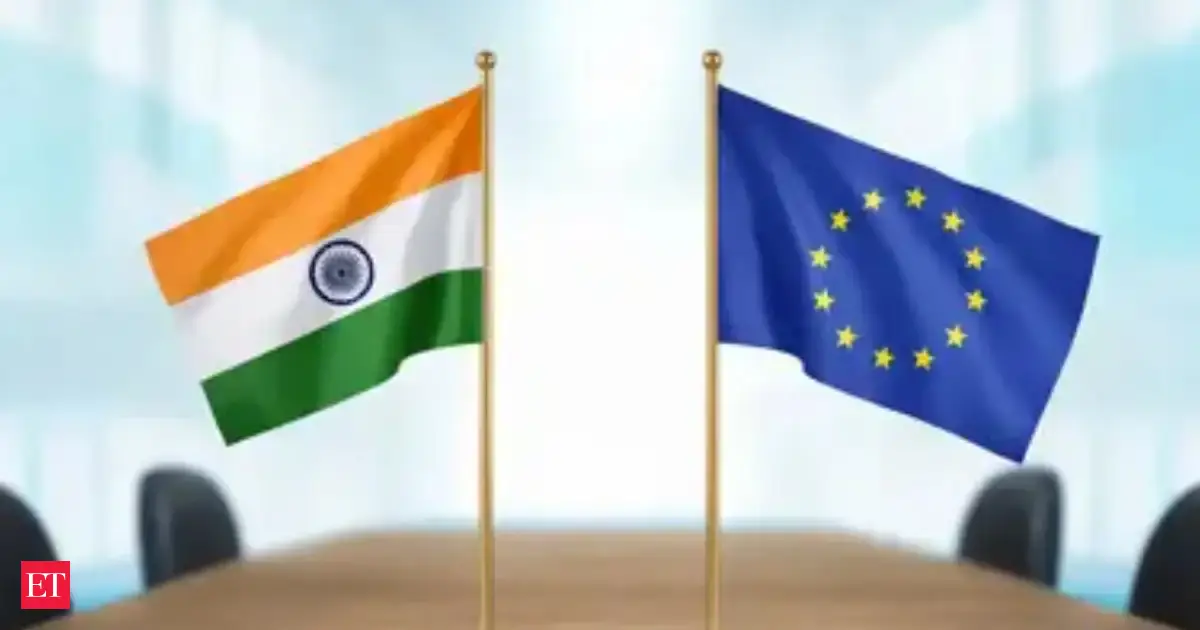
India and the European Union have finalised a free trade agreement that includes a dedicated annexure to address concerns over the EU's Carbon Border Adjustment Mechanism (CBAM), according to a senior Indian commerce official.
Speaking at the Indo-German Chamber of Commerce (IGCC) Industry Dialogue 2026, Additional Secretary in the Department of Commerce Darpan Jain said the agreement contains a separate annexure on CBAM that lays out a comprehensive work plan to help India navigate the EU's carbon tax regime.
Key Provisions of the CBAM Annexure
Jain stated that CBAM consumed significant negotiating capital. The annexure establishes several pillars to address Indian concerns:
| Pillar | Description |
|---|---|
| Future Flexibility | "In case of flexibility in future, that will be available to India. So there is an obligation in that," Jain said. |
| SME Compliance Support | A key focus of the annexure is to help Indian micro, small, and medium enterprises (MSMEs) meet CBAM compliance requirements. |
"So, there is a comprehensive, I would say, work plan under annexure on CBAM and we're working on it, and I am very hopeful that SMEs will not face any problem," Jain added.
CBAM Implementation and Scope
The European Union's Carbon Border Adjustment Mechanism came into effect on January 1. Under the framework, the EU levies a carbon tax on imports of products whose manufacturing process exceeds specified carbon emission thresholds. The mechanism currently applies to steel and aluminium products, while sectors such as cement and fertilisers are also covered under the broader framework.
Nationwide Outreach Campaign
Jain also revealed that the commerce ministry is preparing an extensive nationwide outreach campaign to familiarise businesses with the provisions of the India-EU FTA and help them utilise the opportunities it creates.
"We want to go to all the districts and conduct outreach programmes there and tell industry about what is there in the FTA, how they can use it, how they can explore opportunities under that. We are also exploring other tools like electronic tools, so that we can engage with them, especially small businesses," he said.
Timeline and Trade Significance
India and the European Union announced the conclusion of negotiations for the trade pact in January. The agreement is expected to be signed later this year and could come into force next year (2027).
Jain said the agreement would create significant business opportunities for both economies, noting that India and the EU together account for about one-third of global trade, valued at nearly USD 33 trillion.
He added that Germany, one of Europe's largest automotive exporters with annual auto exports of around USD 286 billion, stands to benefit from greater access to the Indian market under the proposed agreement.
Sources: