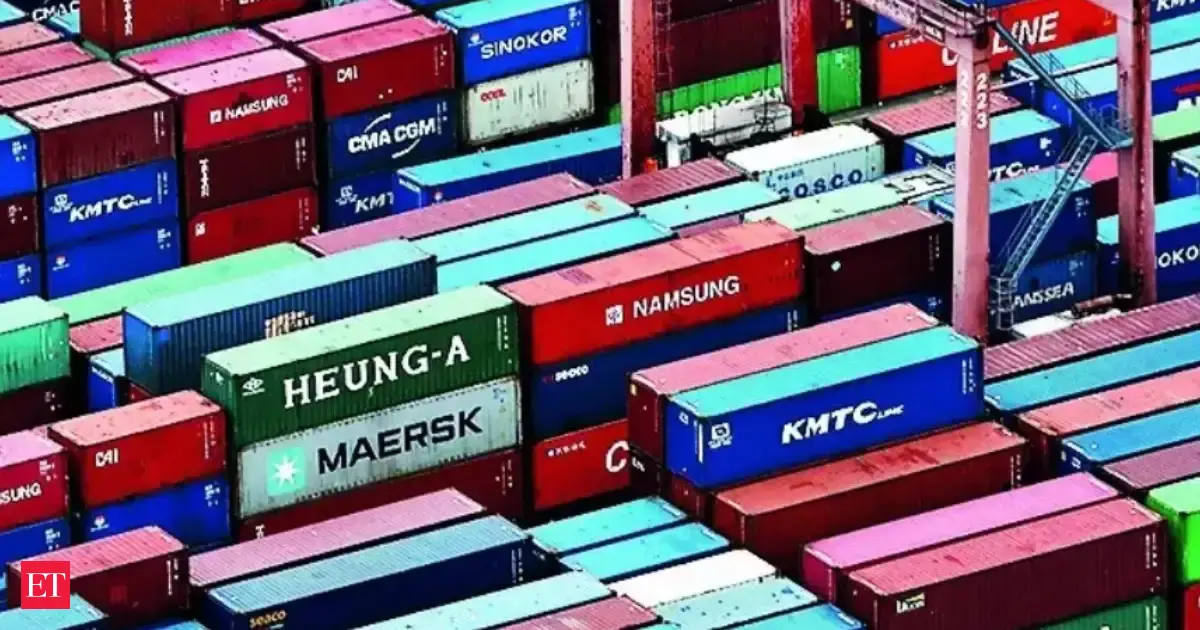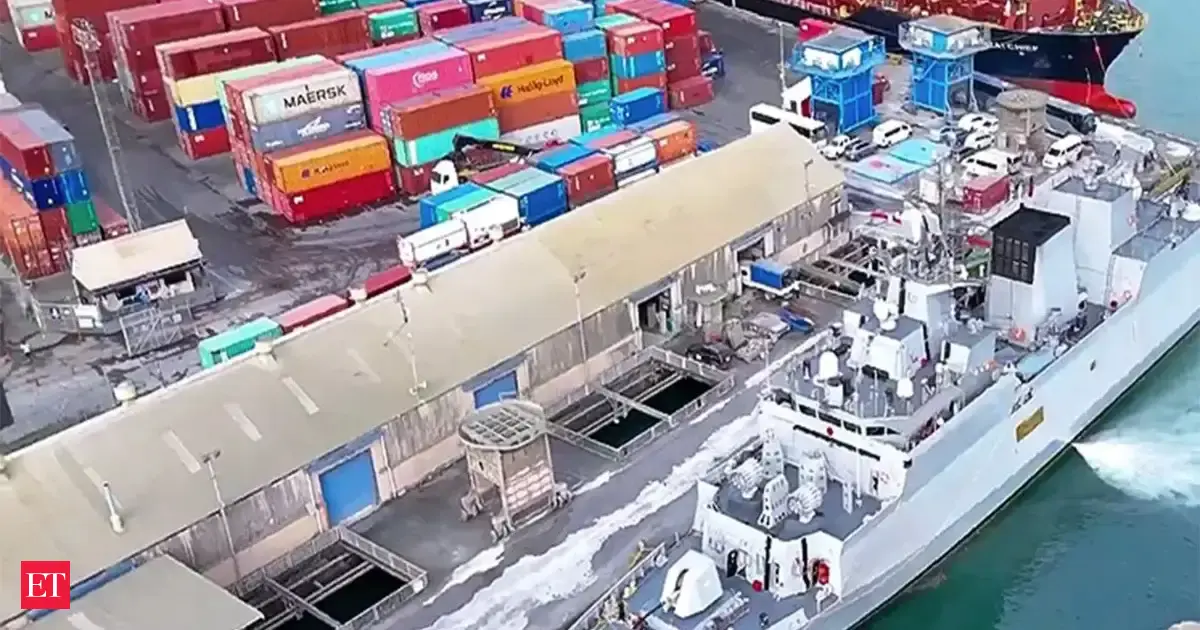
India exported $140 million worth of goods at zero duty on the first day of the operationalisation of the UK-India Comprehensive Economic Trade Agreement (CETA), according to the Economic Times. The consignments covered products including electronics, pharmaceuticals, and gems and jewellery, dispatched from ports such as Mundra, Nhava Sheva, and Chennai, and air cargo complexes at Mumbai (Sahar), Kolkata, and Hyderabad.
First-Day Exports and Sectoral Impact
The agreement grants duty-free access to nearly 99% of Indian exports from sectors such as leather, footwear, textiles, mechanical and electrical machinery, plastic, base metals, marine products, and gems and jewellery, the Economic Times reported. The $140 million figure represents the total value of goods exported on the first day, leveraging the zero-duty provision.
Lindy Cameron, British High Commissioner to India, said the agreement is expected to increase bilateral trade by over 25 billion pounds annually over the long term and contribute nearly 5 billion pounds annually to the GDP of both the UK and India.
Government Procurement Provisions
The pact includes a chapter on government procurement (GP) that provides Indian suppliers legal access to the UK government procurement market worth around GBP 90 billion (USD 122 billion). India offers reciprocal opportunities of around USD 114 billion to the British market. UK suppliers meeting a 20% UK-content threshold may qualify as Class 2 Local Suppliers.
| Threshold Category | Indian Market | UK Market |
|---|---|---|
| GP market access for Indian suppliers | – | GBP 90 billion (USD 122 billion) |
| Reciprocal access for UK suppliers | USD 114 billion | – |
| Minimum contract value for UK firm participation | Over Rs 5.5 crore | – |
| Threshold for construction contracts | Over Rs 60 crore | – |
Darpan Jain, Additional Secretary in the Department of Commerce, explained safeguards for Indian MSMEs. He said, "India reserves the right to grant preferential treatment to its MSMEs as per its policy. So that is not affected." He further noted that GP commitments are not applicable at the state level and only apply to selected central government entities. In strategic sectors, UK firms will not be allowed. A minimum threshold exists: UK firms can participate only in government procurement contracts valued at more than Rs 5.5 crore, and for construction contracts, the threshold is over Rs 60 crore.
Intellectual Property Rights and Compulsory Licensing
On concerns over IPR, Jain said there is nothing in the agreement that prevents India from using compulsory licensing (CL). Under the WTO agreement, a CL can be invoked by a national government to allow production of a patented product without the patent owner's consent in the public interest. India has issued only one CL so far, for the cancer drug Nexavar in 2012, under exceptional public health circumstances.
Carbon Border Adjustment Mechanism Discussions
The Economic Times reported that India and the UK are engaged in discussions on the Carbon Border Adjustment Mechanism (CBAM). In December 2023, the UK government announced that it would implement its own CBAM, though further details were not provided in the source.
The pact, described by anonymous officials as one of the most aspirational trade agreements by India to date, involved over 800 technical sessions held over 14 formal rounds of negotiations, according to a person named Agarwal (affiliation not specified in the source). Export promotion councils are being engaged to help industrial clusters understand the benefits of the agreement.
Sources: