India has reiterated its commitment to an open, inclusive, transparent and rules-based multilateral trading system during the final session of its Eighth Trade Policy Review at the World Trade Organization (WTO) in Geneva, according to News on AIR.
India's Stance on WTO Reform
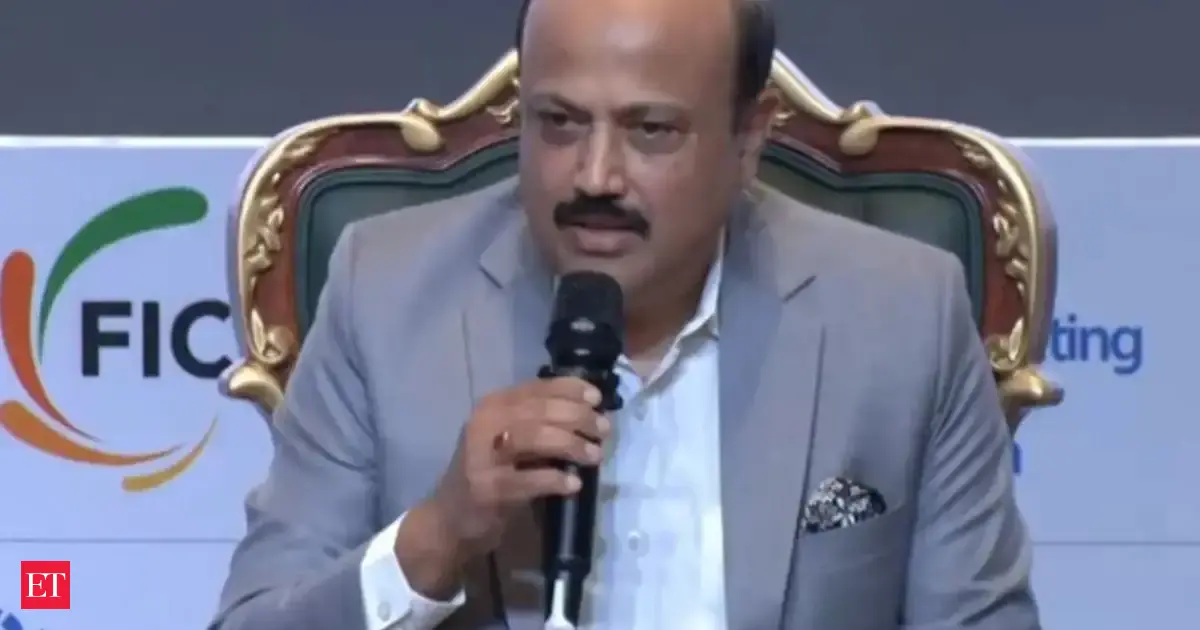
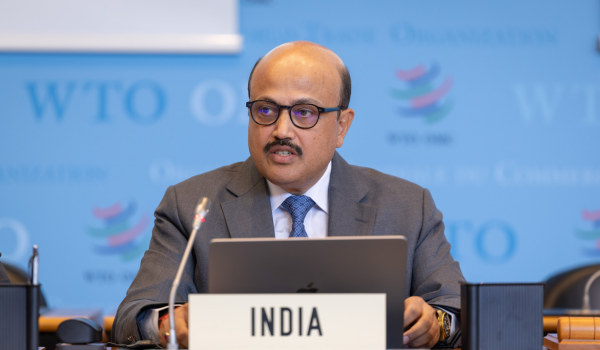
Commerce Secretary Rajesh Agarwal stated that WTO reform should remain development-oriented, preserve policy space for developing countries, strengthen the Organisation’s credibility, and deliver on existing mandates. He reaffirmed that reform is a continuous process, according to the source. Mr Agarwal also highlighted India’s commitment to an open, transparent and predictable trade and investment regime.
Key Trade Policy Achievements
During the review, Mr Agarwal outlined India’s progress in several areas that have strengthened its integration with the global economy while supporting domestic development objectives. The following table summarises the key policy pillars mentioned:
| Policy Area | Description |
|---|---|
| Tariff reforms | Measures to rationalise tariff structures |
| Customs simplification | Streamlined procedures to facilitate trade |
| Free Trade Agreement (FTA) strategy | Ambitious bilateral and regional trade deals |
| Financial inclusion | Expanding access to banking and financial services |
| Digital commerce | Growth of e-commerce and digital payments |
| Logistics modernisation | Upgrading infrastructure and supply chain efficiency |
| Environmental sustainability | Green initiatives and sustainable practices |
Strong Engagement from WTO Members
The two review sessions were held on 21 and 23 July, during which 68 WTO members made interventions, reflecting growing global interest in India’s economic transformation, as reported by News on AIR. Mr Agarwal thanked the members for their active participation and the keen interest shown in India’s trade policies.
Implications for Trade Professionals
For importers and exporters, India’s reaffirmed commitment to a rules-based multilateral system signals continued policy predictability and engagement with global trade norms. The emphasis on customs simplification and tariff reforms may lead to further ease of doing business, while the ambitious FTA strategy could open new market access opportunities. Trade policy analysts should note India’s insistence on preserving policy space for developing countries — a stance that may influence future WTO negotiations and bilateral trade agreements.
Sources: