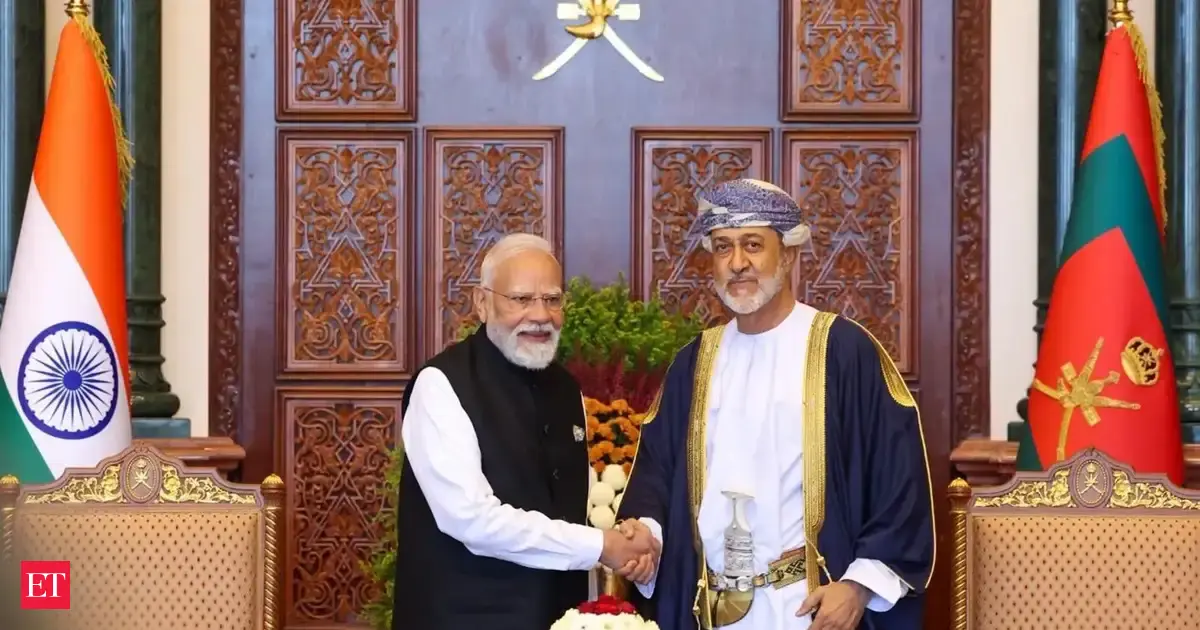
Indonesia and India have discussed a proposal to create a preferential trade agreement (PTA), according to the Economic Times, with talks held on the sidelines of the BRICS Trade Ministers' Meeting in Jaipur on August 7. The meeting brought together the two countries' trade ministers to review the implementation of the Indonesia-India Working Group on Trade and Investment (WGTI) and to assess progress on the review of the ASEAN-India Trade in Goods Agreement (AITIGA).
Ministerial Talks and the PTA Proposal
According to the Economic Times, the Indonesian minister, Santoso, described India as a strategic trade partner in South Asia with immense potential. In a statement on Saturday, Santoso set out Indonesia's position on the proposed arrangement.
Indonesia supports the creation of trade that is increasingly open, facilitative, and mutually beneficial, thereby driving growth in trade and investment between the two nations.
The proposed PTA is intended to complement AITIGA by providing broader market access, reducing non-tariff barriers, and strengthening trade facilitation, the report said.
Bilateral Trade Volumes
The Economic Times reported fresh trade figures for the two countries. In the first six months of 2026, total trade reached US$11.89 billion, with Indonesian exports of US$9.28 billion and imports of US$2.60 billion. Indonesia recorded a trade surplus of US$6.68 billion with India during this period.
For the full year 2025, total trade stood at US$23.13 billion, with Indonesian exports amounting to US$18.30 billion and imports at US$4.84 billion, resulting in a surplus of US$13.46 billion for Indonesia.
| Period | Total trade | Indonesian exports | Indonesian imports | Indonesia's surplus |
|---|---|---|---|---|
| 2025 | US$23.13 billion | US$18.30 billion | US$4.84 billion | US$13.46 billion |
| H1 2026 | US$11.89 billion | US$9.28 billion | US$2.60 billion | US$6.68 billion |
AITIGA Review and Market Access Liberalisation
During the meeting, the two sides discussed progress on the review of the ASEAN-India Trade in Goods Agreement. Indonesia reaffirmed its support for the target of concluding AITIGA negotiations by 2026, while prioritising simpler, business-friendly outcomes that can facilitate trade more effectively, the Economic Times reported.
They also discussed a market access liberalisation target agreed upon during the AITIGA Review negotiations. This figure represents a significant increase from Indonesia's current liberalisation level of 41.9 percent.
Key Products in Indonesia-India Trade
The Economic Times listed the main goods traded between the two countries. Indonesia's key exports to India include:
- Coal
- Palm oil
- Stainless steel
- Industrial monocarboxylic fatty acids
- Artificial corundum
On the import side, Indonesia sources the following products from India:
- Buffalo meat
- Peanuts
- Goods transport vehicles
- Tractor parts and accessories
- Raw tobacco
Related Trade Pact Developments
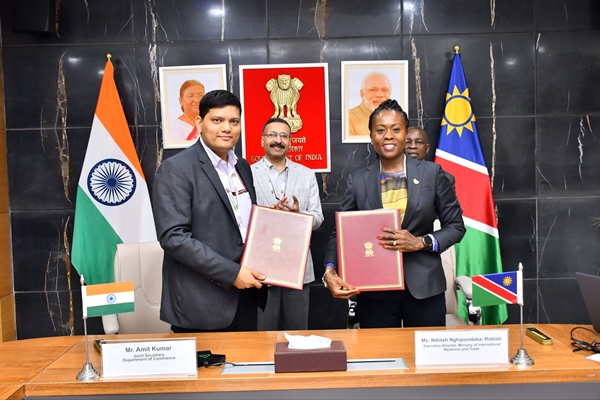
In a separate but related item, the Economic Times also noted that India and the South Africa-led SACU group may ink terms of reference for negotiating a trade pact on August 12. No further details on the SACU negotiations were provided in the report.
The proposed Indonesia-India preferential trade agreement, together with the AITIGA review, signals active efforts to expand market access and simplify trade rules between the two economies, building on bilateral flows that reached US$23.13 billion in 2025.
Sources: