The issuance of certificates of origin — a key document for exporters to claim duty concessions under free trade agreements (FTAs) — has more than doubled from 3.6 lakh in 2021-22 to over 7.8 lakh in 2026-27 so far, Parliament was informed on Friday. The data, disclosed by Minister of State for Commerce and Industry Jitin Prasada in a written reply to the Rajya Sabha, indicates growing utilisation of India's trade agreements and expanded market access opportunities for exporters, according to The Economic Times.
Certificate of origin: The gateway to FTA duty benefits
An exporter has to submit the certificate of origin at the landing port of the importing country, Prasada said in the reply. The document is important to claim duty concessions under free trade agreements because it is essential to prove where the goods come from, he added.
Export growth to FTA partner countries
Exports to FTA partner countries grew by 25 per cent, rising from USD 34.65 billion to USD 43.14 billion during the same period, Prasada said. Consequently, the share of FTA partners in the country's total exports increased from 31.1 per cent to 33.4 per cent over the same timeframe, highlighting the positive role of these pacts in supporting export growth and expanding market access.
| Indicator | 2021-22 | 2026-27 (so far) |
|---|---|---|
| Certificates of origin issued | 3.6 lakh | Over 7.8 lakh |
| Exports to FTA partner countries | USD 34.65 billion | USD 43.14 billion |
| Share of FTA partners in total exports | 31.1% | 33.4% |
Trade agreements implemented by India
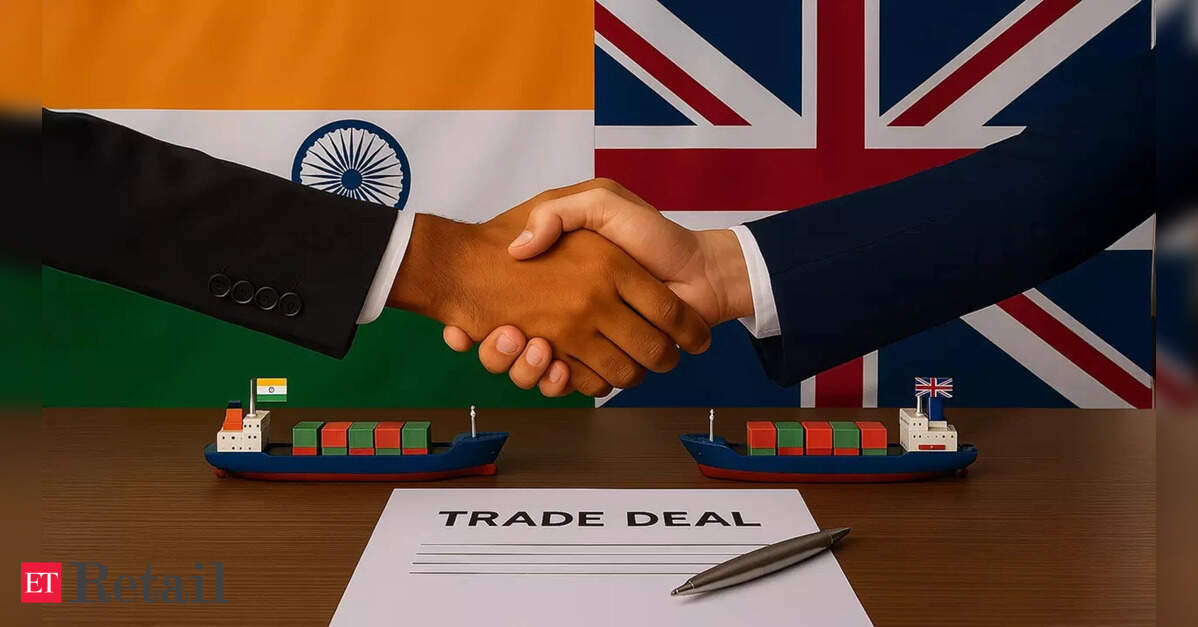
India has implemented trade agreements with the UAE, Australia, the EFTA bloc, Oman and the UK, according to the ministry. The FTA-wise trade analysis indicates that India's exports have strengthened across several FTA partner countries, reflecting improved market access and enhanced competitiveness, particularly in labour-intensive and high-value sectors such as textiles and apparel, pharma, agriculture and allied products, organic chemicals, and electronics.
Imports in select sectors expand
Imports in selected sectors, including petroleum products, machinery and electrical equipment, chemicals, and other intermediate and capital goods, have expanded, facilitating access to energy security, essential raw materials, advanced technologies and critical inputs, Prasada said. This, in turn, supports domestic manufacturing and enhances competitiveness, he added.
Import dependence and largest partners
Replying to another question, Prasada said the country's import dependence continues to be shaped by rapid economic growth, industrialisation, urbanisation, an expanding manufacturing base, and deeper integration with global value chains. In 2025-26, India's ten largest import partner countries were:
- China
- UAE
- Russia
- US
- Saudi Arabia
- Iraq
- Hong Kong
- Switzerland
- Singapore
- Japan
According to the data provided by the minister, India's trade deficit with China increased to USD 112.16 billion in the last fiscal from USD 73.31 billion in 2021-22.
Sources: