iGEN
Visit IGEN World Explore IGEN Expo
EXPLORE UPGRADE PLANS
BREAKING
Werner Enterprises Posts Highest Revenue Per Truck Growth in One-Way Segment in a Decade CMA CGM and Stonepeak Launch United Ports LLC in $2.4 Billion Terminal Joint Venture UPS shift away from Amazon shows bigger payoff Lanesurf: 62% of Loads Get Vetted Carrier Offers Before Brokers Arrive India-China Border Trade Via Lipulekh Resumes Aug 1; China Permits 20 Traders Geopolitics Drives CMA CGM Q2 Profit Surge of 42% as Volumes and Rates Climb Benchmark Diesel Price Rises Third Week as Futures Plunge; Spread Hits Record Indian Government Limits Sugar Dealers to 400 Tonnes Stock Until November to Curb Hoarding Tenants signing longer leases for larger warehouses as 3PLs lock in capacity US stock market flat as S&P 500 and Dow barely move, Nasdaq slides over 1% on chip rout Werner Enterprises Posts Highest Revenue Per Truck Growth in One-Way Segment in a Decade CMA CGM and Stonepeak Launch United Ports LLC in $2.4 Billion Terminal Joint Venture UPS shift away from Amazon shows bigger payoff Lanesurf: 62% of Loads Get Vetted Carrier Offers Before Brokers Arrive India-China Border Trade Via Lipulekh Resumes Aug 1; China Permits 20 Traders Geopolitics Drives CMA CGM Q2 Profit Surge of 42% as Volumes and Rates Climb Benchmark Diesel Price Rises Third Week as Futures Plunge; Spread Hits Record Indian Government Limits Sugar Dealers to 400 Tonnes Stock Until November to Curb Hoarding Tenants signing longer leases for larger warehouses as 3PLs lock in capacity US stock market flat as S&P 500 and Dow barely move, Nasdaq slides over 1% on chip rout
Home ›› Intl Trade ›› Import Export ›› Export Docs ›› Textile sector to sew loose ends as FTAs kick in

Textile sector to sew loose ends as FTAs kick in

The operationalisation of the UK-India free trade agreement eliminates tariffs up to 12% on textile exports, bringing parity with competitors. Industry body Indian Texpreneurs Federation expects exports to double to a 12% share in 4-5 years, but experts caution about structural challenges.

iG
iGEN Editorial
July 17, 2026
Textile sector to sew loose ends as FTAs kick in

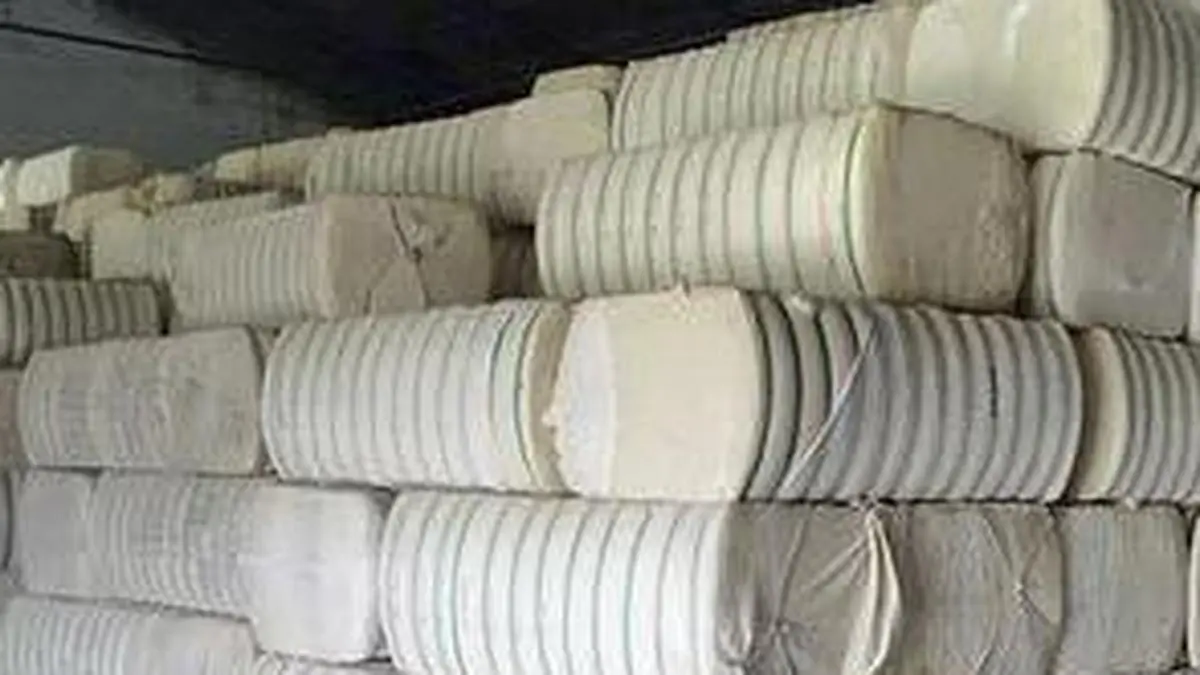
CHENNAI: With a slate of crucial free trade agreements (FTAs) now operational, India's textile industry is upbeat on export opportunities. The UK deal, which kicked in on Wednesday, eliminates tariffs of up to 12% and brings parity with key competitors like Bangladesh and Vietnam, according to a report in The Times of India. While companies of all sizes are actively negotiating orders, concerns remain that India may not fully tap this potential due to supply chain fragmentation, longer lead times, and a lack of manufacturing scale.

UK FTA eliminates tariffs up to 12%

The FTA is already generating a demand pull, said Prabhu Dhamodharan, convener of the Indian Texpreneurs Federation. "Unlike some previous deals, Indian exporters have long-standing relationships with buyers in the UK, including for brands and supermarkets such as Primark, Next, Tesco, M&S and small brands and can ramp up exports immediately. We are already witnessing a lot of inbound requests and trail orders as increasing concern about supply concentration and political stability creates a favourable environment. Indian units can immediately tap opportunities and exports are expected to double to 12% in the next four to five years," he said.

Industry upbeat but challenges remain

India currently holds a 6% share of the UK's apparel imports. Beyond tariff differentials, the industry struggles to compete on cost due to fragmented supply chains and higher input costs, which include man-made fibre (MMF) and cotton fabric costs and relatively low labour productivity. Various industry experts TOI spoke to said the challenges lie in both the value-added and high-volume segments, including in cotton textiles, where India has a stronger domestic ecosystem. One medium-scale exporter, on condition of anonymity, told TOI that the difference could be as much as 20%-30%, mainly due to higher man-made fabric costs. Exporters believe the government should incentivise the MMF fabric ecosystem and strengthen the domestic cotton supply chain.

Expert views: cautious optimism

Hitesh Jain, strategist at Yes Securities, noted the sector may not leverage FTAs as effectively as the auto or pharma industries. "Trade agreements may improve market access, but the sector is less likely to convert preferential market access into sustained export growth. Our modelling shows structural challenges such as declining competitiveness, changing global demand patterns. Vietnam and other countries gained from China plus one in the sector, limits the incremental benefits from tariff liberalisation alone," he said. Pointing out that currency weakness has not helped exporters in recent months, he added: "Due to high import dependence, our landing costs were higher, which negated our export competitiveness even during rupee's depreciation."

Key metrics Current state Expected impact from FTA
India's share of UK apparel imports 6% Expected to double to 12% in 4-5 years (per ITF)
Tariff elimination Up to 12% Immediate cost advantage
Competitors Bangladesh, Vietnam Parity achieved
Medium-scale cost disadvantage 20-30% higher input costs Requires policy support

"Medium and small scale companies are evaluating incremental automation technologies and could begin investments in capacity addition, modernisation and integration once there is clear visibility on orders and payback time," Dhamodharan added. The FTA's success will depend on how effectively India addresses its structural disadvantages. For importers and exporters, the immediate opportunity lies in leveraging existing buyer relationships in the UK to ramp up shipments, while trade policy professionals must watch for government incentives aimed at the MMF ecosystem and supply chain consolidation.


Sources: Business-Today

Keep Reading

Recommended Stories

NITI Aayog Proposes Pharma Chapter in Future FTAs, Urges India to Move Up Value Chain Trade

NITI Aayog Proposes Pharma Chapter in Future FTAs, Urges India to Move Up Value Chain

NITI Aayog’s eighth Trade Watch Quarterly report proposes a dedicated pharmaceuticals chapter in future free trade agreements to help India move up the value chain. The report calls for greater regulatory transparency, stronger industry-academia tech transfer, and shared environmental compliance infrastructure. It highlights India's 65% dependence on China for critical APIs and notes India supplies 50% of Africa's, 40% of the US', and 25% of the UK's generic drug needs.

July 8, 2026
India targets $100 billion textile exports by 2030, focus on sustainability, FTAs Trade

India targets $100 billion textile exports by 2030, focus on sustainability, FTAs

India targets $100 billion in textile exports by 2030, with a focus on sustainability and leveraging free trade agreements. Union Minister Giriraj Singh and commerce officials outlined the strategy at a two-day summit, emphasizing traceability, recycling, and district-level export hubs.

June 25, 2026
India Waives Cotton Import Duty to Boost Textile Exports Trade

India Waives Cotton Import Duty to Boost Textile Exports

India's Finance Ministry has waived the 11% import duty on cotton from June 1 to October 31, 2026, to support the textile industry. This move aims to stabilize input costs and enhance competitiveness in global markets.

June 1, 2026
US Imposes New Tariffs on 60 Trading Partners Over Forced Labour Claims Trade

US Imposes New Tariffs on 60 Trading Partners Over Forced Labour Claims

The United States is imposing new tariffs on imports from approximately 60 trading partners over allegations of inadequate action against forced labour. Duties range from 10% to 12.5% and target key economies including the UK, EU, Canada, Japan, and India, effective Friday. Canada faces additional 50% duties on some goods. The move escalates the global trade war reignited by President Donald Trump.

July 23, 2026