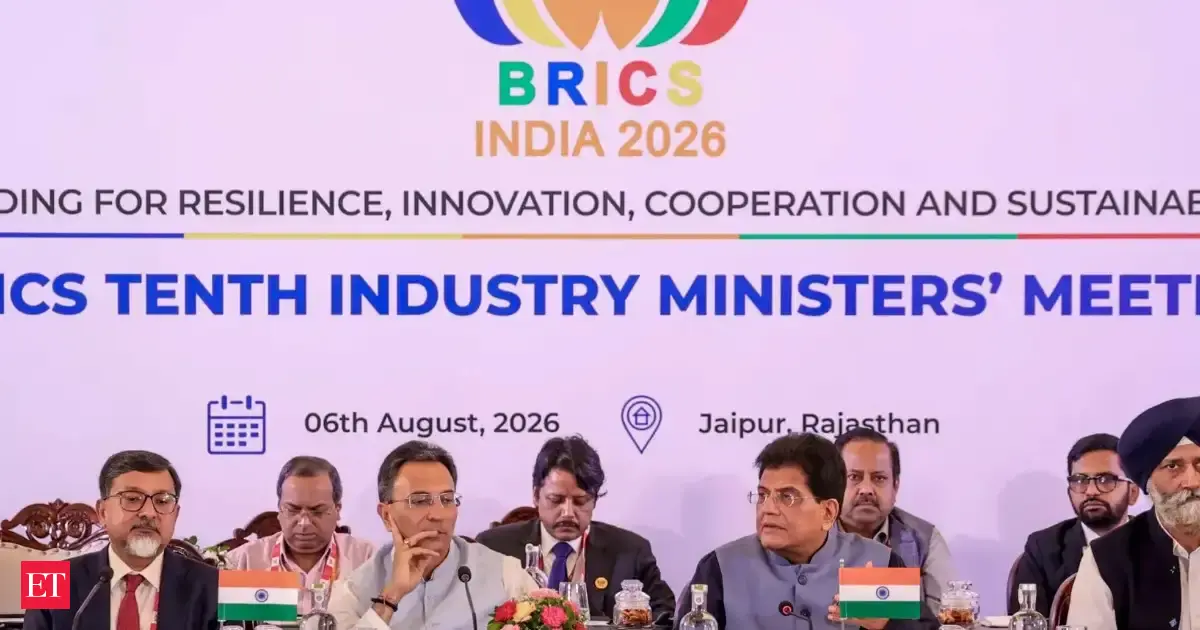
According to The Economic Times, India has amended its foreign direct investment (FDI) regulations to enable large-scale e-commerce trade in products such as handlooms, handicrafts, textiles, footwear, and everyday items including food products. Union Minister Piyush Goyal announced the policy change after the BRICS Trade and Industry Ministers' Meeting in Jaipur, saying the revisions will benefit farmers, fishermen, small businesses and artisans.
FDI rules revised for online trade in local products
The Economic Times reported that Goyal confirmed the amended regulations during remarks that followed the BRICS ministerial meeting. He described the scope of the reform in a statement that the newspaper published:
We have recently amended FDI regulations to facilitate large-scale e-commerce trade for products such as handlooms, handicrafts, textiles, footwear, and various everyday items, including food products, that consumers typically purchase online. This will benefit our farmers and fishermen.
The product list covered by the new FDI framework therefore includes:
- Handlooms
- Handicrafts
- Textiles
- Footwear
- Food products and other everyday consumer items
The trade policy change was presented as a way to connect small producers with larger markets. According to The Economic Times, Goyal said India is keen to harness the power of e-commerce to connect small-scale products with vast markets, noting that many nations have already generated massive trade volumes through this channel. India, he said, is striving to ensure its micro and small enterprises and traders gain similar opportunities.
BRICS ministers discuss MSME financing and digital trade
Goyal's announcement came as BRICS ministers deliberated on ways to enhance trade, investment, financing for micro, small and medium enterprises (MSMEs), digital commerce and industrial cooperation among member countries, The Economic Times reported. The ministerial meeting focused on trade flows among member states and investments for smaller businesses.
According to Goyal, the agenda included coordinating bilateral trade, specifically imports and exports, and ensuring adequate financing and investment for MSMEs through banks and other channels. The participants also discussed making trade procedures paperless and streamlining systems through greater use of digital technologies.
| Agenda area | What Goyal and BRICS ministers discussed |
|---|---|
| Trade | Coordinating bilateral trade, including imports and exports; trade flows among member states |
| Investment | Ensuring adequate financing and investment for MSMEs through banks and other channels |
| Digital trade | Paperless trade procedures and greater use of digital technologies |
| Industrial cooperation | Enhancing industrial cooperation among member countries |
National Handloom Day and traditional sectors
The Economic Times noted that Goyal's remarks came on National Handloom Day, observed on August 7. He framed the FDI amendment as support for traditional and labour-intensive sectors:
Today, as we observe National Handloom Day, we recognize that this initiative will also benefit the Khadi and cottage industries, the textile sector, and leather artisans.
This reinforces the intended reach of the e-commerce rules to small-scale producers in sectors such as handlooms, textiles and leather.
No common BRICS currency
When asked about a common BRICS currency, Goyal affirmed that India does not support any such currency, The Economic Times reported. The remark sets out India's position on the matter.
Sources: