India's Finance Ministry has imposed an anti-dumping duty on low ash met coke imports, according to a notification. The duty will be effective for a period of five years from the date of imposition of the provisional anti-dumping duty, unless revoked, amended, or superseded earlier, and shall be payable in Indian currency.
Directorate General of Trade Remedies Investigation
According to the Finance Ministry notification, the Directorate General of Trade Remedies (DGTR) had concluded in April 2026 that the product under consideration—low ash met coke—had been exported to India from the subject countries at dumped prices. This had caused harm to the domestic industry. The anti-dumping duty was imposed to offset this injury.
Impact on Steel Producers
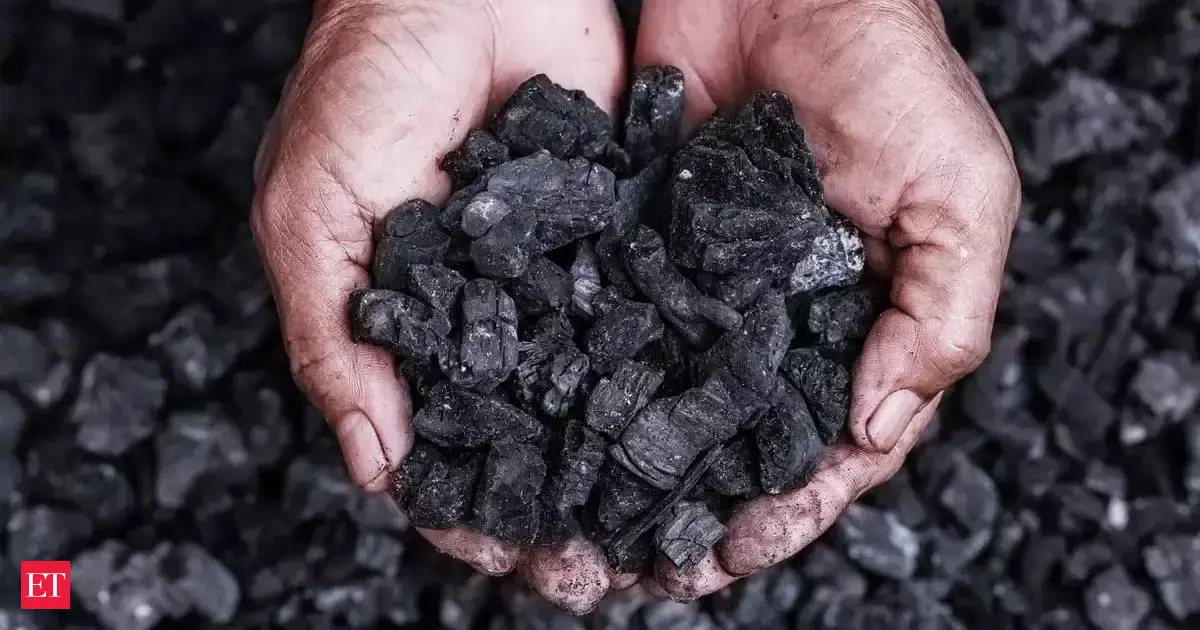
The duty will raise costs for steel producers, as low ash met coke is a critical input. This high-purity carbon fuel is used primarily as a thermal energy source and chemical reducing agent. Its primary applications include blast furnaces for iron production, cupola furnaces for foundries, and ferro-alloy manufacturing.
Duty Duration and Payment Terms
The duty is set for a five-year term, calculated from the date of the provisional anti-dumping duty's imposition. It is payable in Indian currency, ensuring compliance with local trade regulations. The measure may be revoked, amended, or superseded earlier if circumstances change.
| Aspect | Detail |
|---|---|
| Product | Low ash met coke (high-purity carbon fuel) |
| Duty Duration | Five years from date of provisional anti-dumping duty |
| Payment Currency | Indian rupee (INR) |
| Investigation Date | DGTR concluded in April 2026 |
| Key Application | Blast furnaces, cupola furnaces, ferro-alloy manufacturing |
"The anti-dumping duty imposed under this notification shall be effective for a period of five years from the date of imposition of the provisional anti-dumping duty, unless revoked, amended or superseded earlier, and shall be payable in Indian currency," the notification said.
Industry Context
Low ash met coke is essential for steelmaking. The duty is expected to increase input costs for domestic steel producers, potentially impacting their competitiveness. The DGTR's finding of dumping from subject countries underscores ongoing trade remedy actions to protect Indian industry.
For trade professionals, this duty represents a significant policy shift that will affect import planning and cost structures for metallurgical coke buyers. Customs brokers must ensure compliance with the new duty rates and currency payment requirements.
Sources: