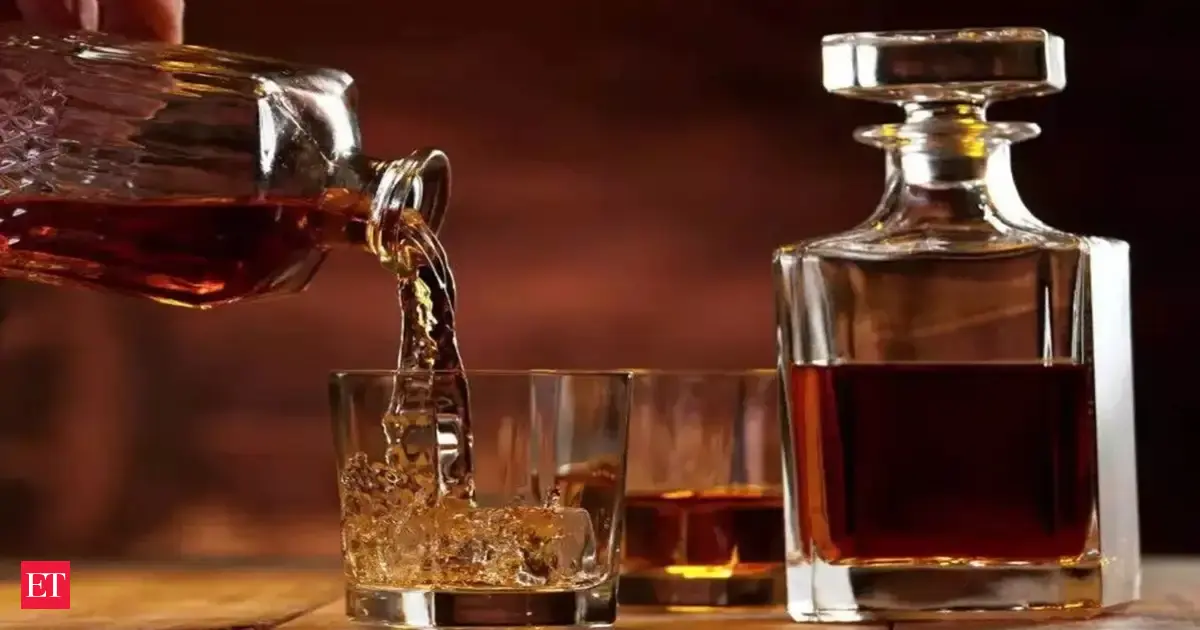
The India-UK Comprehensive Economic Partnership Agreement (CETA) entered into force on July 15, 2026, immediately reducing tariffs on luxury cars while offering phased cuts for premium spirits such as Scotch whisky and gin, according to the Economic Times. The agreement, signed in London on July 24, 2025, is the sixth free trade agreement implemented by the Narendra Modi government, following pacts with Mauritius, UAE, Australia, EFTA, and Oman.
Luxury Cars: Immediate Relief
UK-built luxury cars saw instant price cuts under the deal. JLR India reduced prices on select Range Rover models: the Range Rover SV became cheaper by Rs 75 lakh (from Rs 4.25 crore to Rs 3.5 crore), and the Range Rover Sport SV dropped by Rs 40 lakh to Rs 2.4 crore, TOI reported. McLaren announced price reductions on its UK-built models, and is reportedly considering cuts of nearly 38% across its India portfolio. However, the reductions apply only to vehicles imported from the UK; the Defender and Discovery, built at JLR's Slovakia plant, remain unaffected.
Spirits: Gradual Tariff Cuts
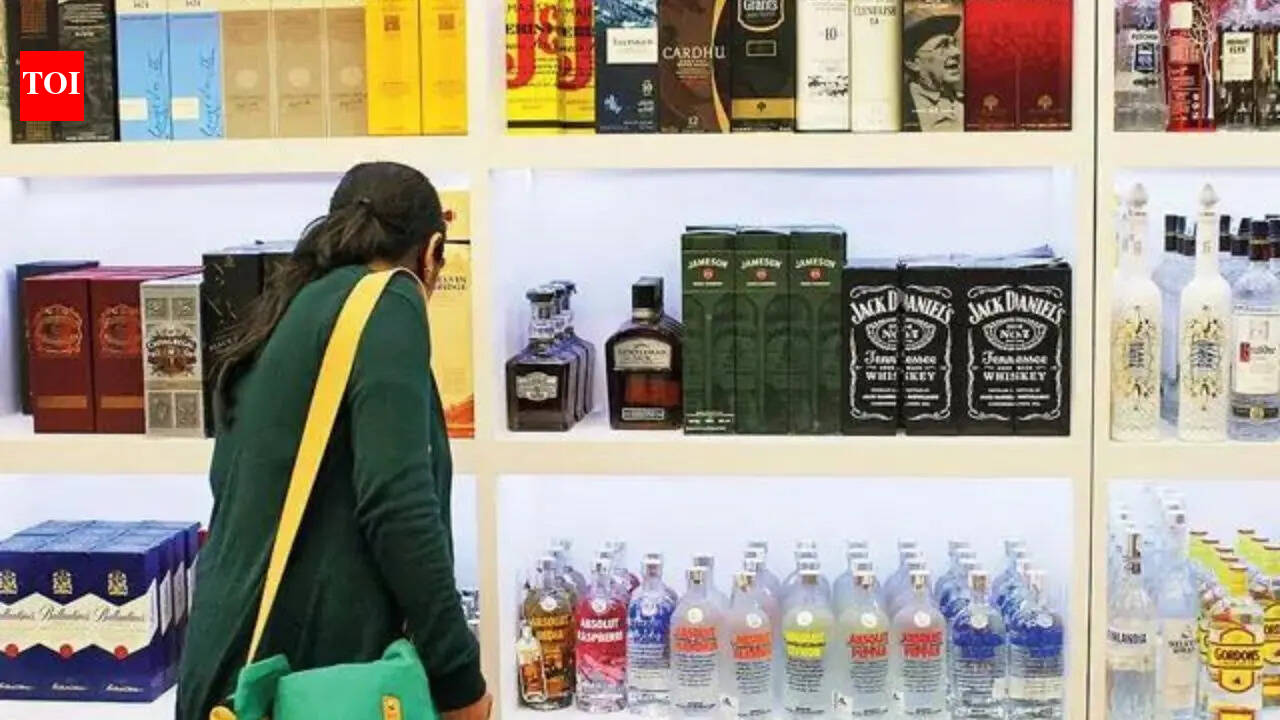
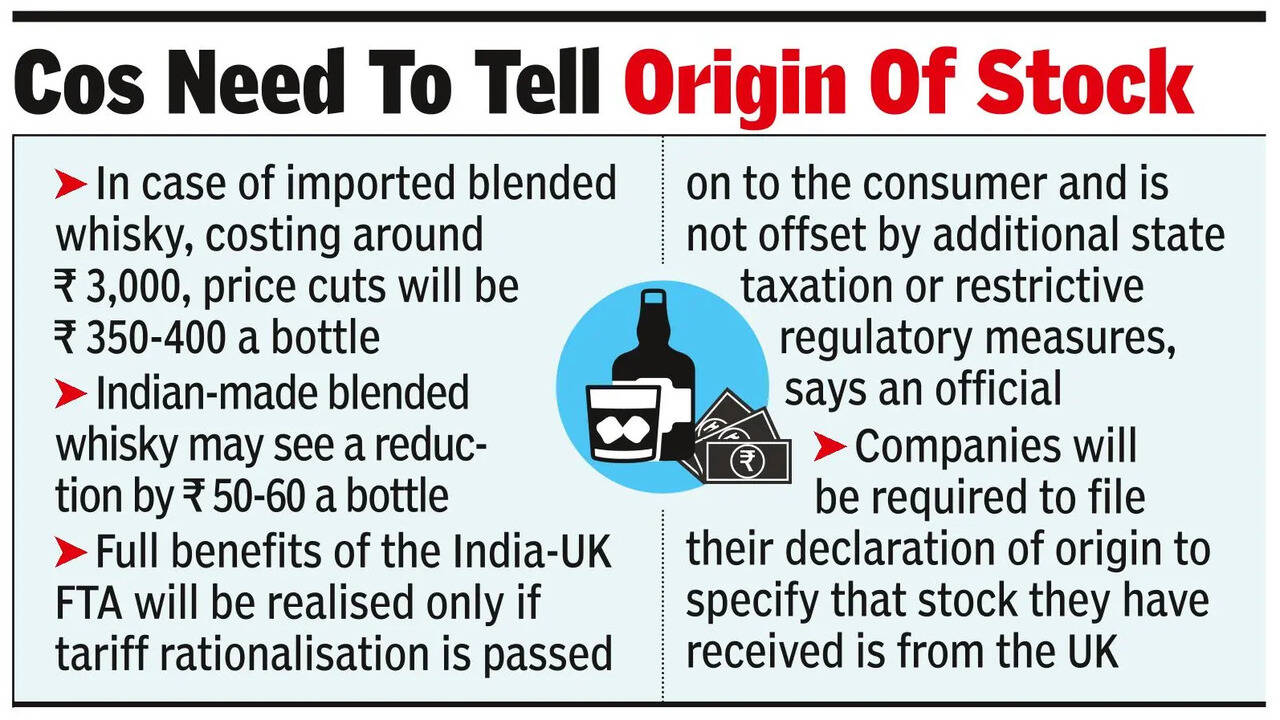
For premium drinks including cider, mead, sake, brandy, bourbon, rum, gin, vodka, liqueurs, and tequila, the standard import duty of 150% will fall to 110% in Year 1 and eventually to 75% by Year 10, subject to a minimum import price, per the Economic Times. For Scotch whisky and gin specifically, the 150% tariff will be halved under the deal before tapering to 40% over a decade — on top of existing state levies. TOI reported that blended whisky priced around Rs 3,000 per bottle is likely to see cuts of only Rs 350–400, while Indian-made blended whisky (IMFL) may see reductions of just Rs 50–60 per bottle, if companies choose to pass on the benefit.
| Spirit Category | Current Duty | Year 1 Duty | Final Duty (Year 10) |
|---|---|---|---|
| Premium drinks (general) | 150% | 110% | 75% |
| Scotch whisky & gin | 150% | 75% (halved) | 40% |
Implementation Hurdles
Companies must file a declaration of origin confirming their stock qualifies as UK-origin, and revised cost filings must go to state excise departments — a process TOI reported could take 15 to 30 days. Nearly 80% of India's whisky imports from the UK are used for blending with locally made whisky, the report said.
ISWAI (International Spirits and Wines Association of India) CEO Sanjit Padhi was quoted by TOI as saying the full benefits of the FTA would depend on whether tariff cuts reach consumers without being offset by state-level taxes or regulatory curbs. The association estimated that taxes account for 60–61% of the MRP for imported whisky in states like Maharashtra, and 56% for Indian single malts, projecting overall price reduction under the FTA at around 12–13%, provided benefits are passed on.
Confederation of Indian Alcoholic Beverage Companies (CIABC) director general Anant S Iyer told TOI that pricing decisions ultimately rest with individual companies, since states control both supply and consumer pricing.
Trade Coverage
The deal covers 30 chapters spanning trade in goods and services, digital trade, government procurement, MSMEs, innovation, labour, environment, and gender. It is expected to unlock duty-free access for nearly 99% of Indian exports to the UK, according to the Economic Times.
For importers and exporters, the immediate impact is clear: premium car importers can realise significant cost savings, while those in the spirits trade must navigate a phased tariff reduction and state-level compliance before consumers see lower prices. The requirement for origin declarations and excise filings adds a procedural layer that could delay the pass-through of duty cuts by weeks.
Sources: