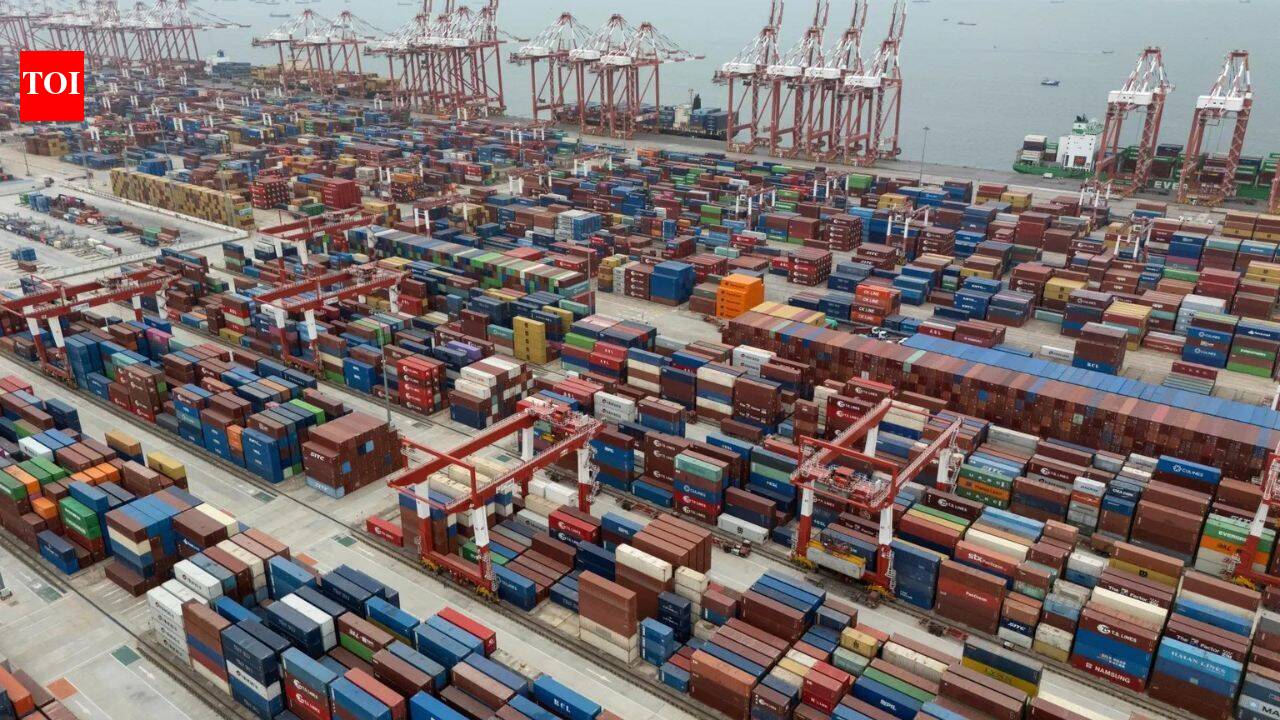
With the current 10% additional tariff on all countries set to expire Friday, USTR Jamieson Greer promised 'some action soon' during an interview with CNBC, according to a report by Business-Today. The Trump administration has already moved to impose a 50% duty on $20 billion of Canadian goods using the never-before-invoked Section 338 of the Tariff Act of 1930. Separately, the USTR is pursuing Section 301 tariffs of up to 12.5% on imports from 60 economies, including India, for alleged failure to enforce forced labour prohibitions.
Canada Hit With 50% Section 338 Tariffs
President Donald Trump invoked Section 338 of the Tariff Act of 1930 to impose a 50% duty on approximately $20 billion worth of Canadian goods, the Business-Today report said. The targeted products include wine, hockey sticks, cement, and other unspecified products, while energy, potash, fish, and critical minerals are excluded.
| Product Category | Tariff Rate | Exclusions |
|---|---|---|
| Wine | 50% | Not applicable |
| Hockey sticks | 50% | Not applicable |
| Cement | 50% | Not applicable |
| Energy | Excluded | — |
| Potash | Excluded | — |
| Fish | Excluded | — |
| Critical minerals | Excluded | — |
The administration also plans to impose a 25% tariff on Brazilian goods from Wednesday, the report noted.
Section 301 Proposals Target 60 Economies
USTR Jamieson Greer indicated that the administration may resort to the use of Section 301 of the Trade Act of 1974. Last month, USTR proposed tariffs of up to 12.5% on imports from 60 economies, including India, for their alleged failure to crack down on imports produced with forced labour.
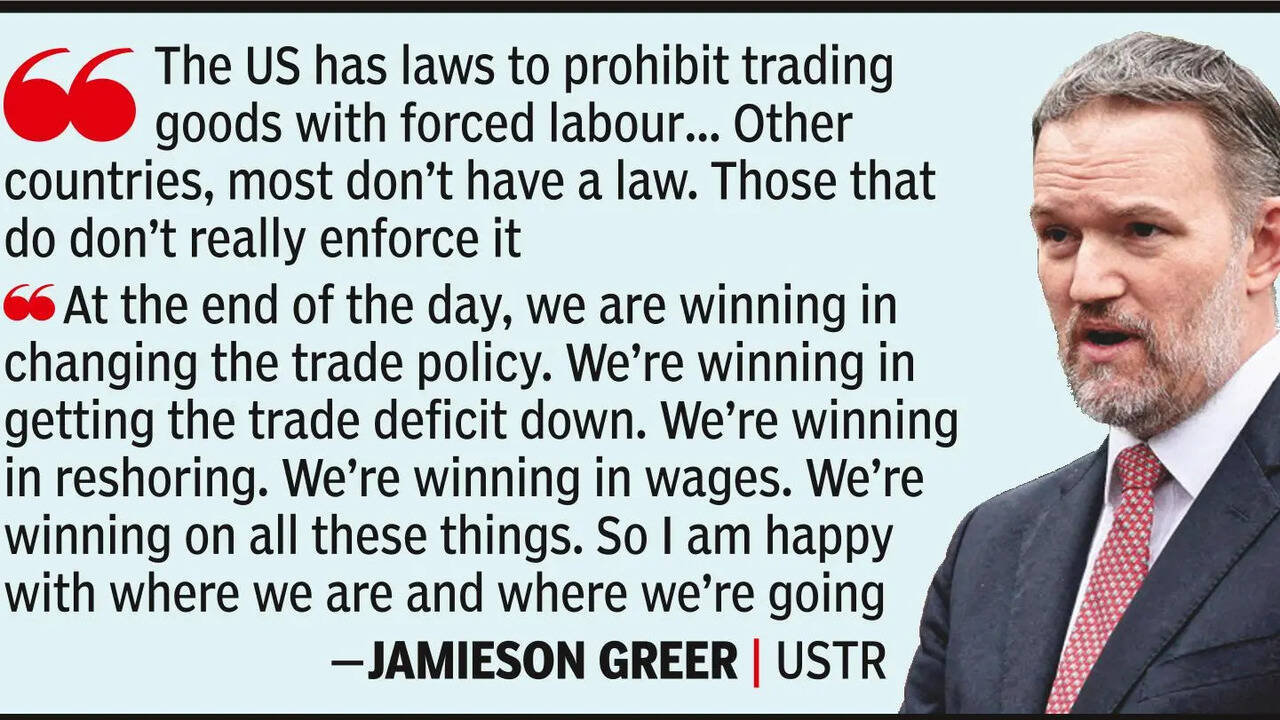
"The US has laws to prohibit trading goods with forced labour," Greer told CNBC, as reported by Business-Today. "Other countries, most don't have a law. Those that do don't really enforce it." He added that the proposed Section 301 tariffs would cover about 99% of US trade.
USTR is also probing structural excess capacity in over a dozen countries, but preliminary findings have not yet been released, the report said.
Supreme Court Ruling Reshapes Trade Policy
The Trump administration had resorted to two probes — both contested by the government — after the US Supreme Court dismissed last year's "reciprocal tariffs" that had been imposed using emergency powers as illegal. That ruling resulted in the current 10% levy on all countries, which expires Friday, according to Business-Today.
Greer described the higher tariff strategy as "wildly successful" in a New York Times interview. "At the end of the day, we are winning in changing the trade policy. We're winning in getting the trade deficit down. We're winning in re-shoring. We're winning in wages. We're winning on all these things. So I am happy with where we are and where we're going," he said.
US-India Trade Deal Hangs in Balance
India and the US have been in talks for a trade deal, but its finalisation will depend on how Trump's tariffs are implemented in the coming weeks, Business-Today reported. The two sides had earlier agreed to an 18% additional tariff on all Indian exports to the US, but after the US Supreme Court verdict, the deal was not signed.
The US is India's second largest trade partner and the largest destination for exports. In 2025, bilateral goods trade was pegged at nearly $141 billion, with India's exports at $87.3 billion, according to commerce department data cited in the report.
Sources: