Korean Air is installing automated cargo handling equipment at its Incheon International Airport and New York JFK terminals, a move expected to increase annual cargo capacity at Incheon by 25% and modernize its U.S. hub by 2027, according to FreightWaves.
Incheon Cargo Terminal 1 modernization
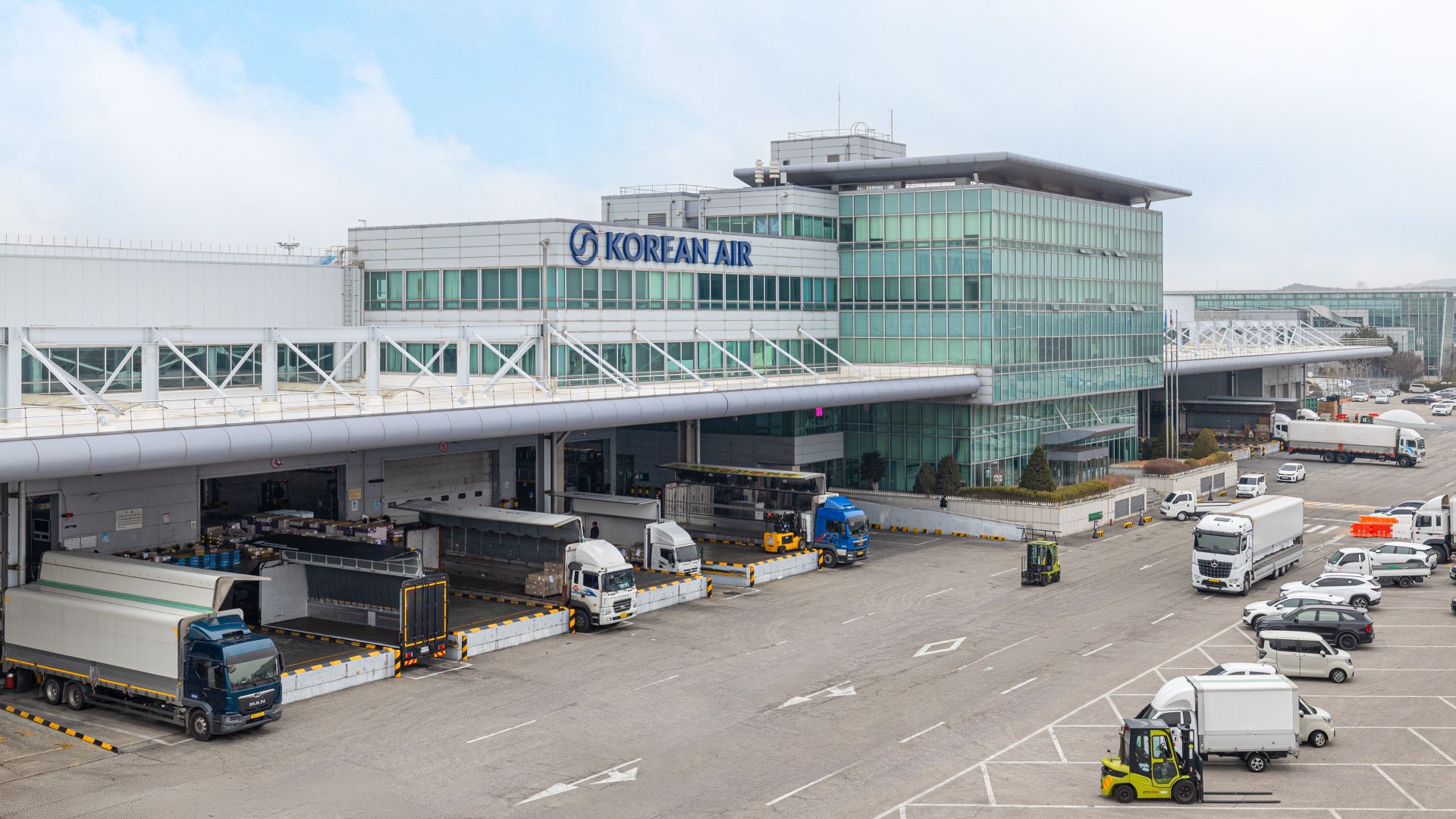
The comprehensive upgrade of Cargo Terminal 1 at Incheon International Airport is expected to be completed by September, Korean Air spokesman Ken Kang-Hee Lee said via email, as reported by FreightWaves. Lödige Industries is leading the installation of a smart logistics system that includes driverless elevating transfer vehicles (ETVs) and automated guided vehicles (AGVs). ETVs are rail-guided vertical storage and retrieval systems designed to transport large containers, while AGVs will move containers on fixed routes between loading docks, storage areas and aircraft, reducing manual handling, according to the same source.
Korean Air has also significantly expanded the facility’s cold-storage capacity, with designated space for holding and dispatching temperature-sensitive shipments. The modernization projects are aimed at maintaining competitiveness by boosting operational efficiency and freight capacity, especially as the carrier prioritizes high-value, temperature-sensitive and specialized freight such as pharmaceuticals and cloud computing components, FreightWaves reported. Incorporating automated handling equipment alongside AI-driven management systems is increasingly being adopted at leading global cargo hubs, according to industry experts cited in the article.
JFK terminal automated system and refrigerated expansion
Korean Air is partnering with Lödige Industries to design and implement a next-generation automated system for its big hub at New York’s John F. Kennedy International Airport. The design calls for two new automated ETVs and expansion of the refrigerated section to handle more perishable cargo. The JFK terminal upgrades are targeted for completion by 2027, according to FreightWaves. Korean Air has not disclosed how much it is investing in the two modernization initiatives or the specific square footage of the upgraded cold storage rooms.
Cargo revenue growth tied to AI equipment and K-beauty
Korean Air reported cargo revenue in the second quarter grew 46% year over year, primarily driven by global AI investments, such as server racks and semiconductors, and K-beauty exports. Yield increased 41% with only a 3% increase in volume, FreightWaves reported.
| Metric (Year-over-Year) | Value |
|---|---|
| Cargo revenue growth (Q2) | +46% |
| Yield growth (Q2) | +41% |
| Volume growth (Q2) | +3% |
| Incheon annual cargo handling capacity increase | +25% |
What shippers and forwarders should expect
The automation reduces manual handling and expands cold-storage space at two major cargo hubs, which is directly relevant for shippers of pharmaceuticals, perishables, and high-value electronics. Korean Air is the tenth-largest cargo carrier in the world by scheduled traffic, according to the International Air Transport Association, and operates 23 freighter aircraft — 11 Boeing 747s and 12 777s — in addition to handling cargo carried by the airline’s passenger fleet. The Incheon capacity expansion will improve throughput for temperature-sensitive shipments before the end of 2026, while the JFK refrigerated section expansion will not be operational until 2027. On Aug. 12, Korean Air finalized the acquisition of Asiana Airlines, a network development that could reshape its combined cargo footprint, according to the source.
Watch list
- Incheon Cargo Terminal 1 — Upgrade completion expected by September 2026; watch for capacity and handling speed changes.
- JFK terminal — Automated ETVs and refrigerated expansion targeted for completion by 2027.
- Asiana Airlines integration — Acquisition finalized Aug. 12; cargo network realignment may follow.
- Investment details — Korean Air has not disclosed total spending or cold-storage square footage; watch for future announcements.
Sources: