iGEN
Visit IGEN World Explore IGEN Expo
EXPLORE UPGRADE PLANS
BREAKING
Home ›› Logistics ›› Last Mile ›› Industrial Real Estate Tightens, Favoring Last-Mile Operators

Industrial Real Estate Tightens, Favoring Last-Mile Operators

The industrial real estate market is tightening, benefiting last-mile owner-operators as demand surges and construction slows. Link Logistics reports high leasing volumes, indicating a favorable market shift.

iG
iGEN Editorial
May 30, 2026
Industrial Real Estate Tightens, Favoring Last-Mile Operators

The industrial real estate market is experiencing a tightening phase, which is proving advantageous for last-mile owner-operators. Link Logistics, a major player in the industrial real estate sector, reports a surge in leasing activity, particularly in infill, last-mile locations. This shift comes as the market corrects from an oversupply period following the COVID-era warehousing boom.

Market Context

The industrial real estate market had been oversupplied due to aggressive development during the pandemic. However, Glenn Wylie, executive vice president at Link Logistics, notes that the market is now tightening as demand increases and the construction pipeline slows.

"December ‘25 was one of Link’s highest leasing volumes since 2021, and that momentum has really carried forward into this year," said Wylie.

Affected Areas

The tightening is particularly notable in infill, last-mile locations where owner-operators are seeing increased demand. This trend is driven by a combination of sustained leasing activity and a reduction in new construction projects.

Implications for Shippers and Operators

Shippers and logistics operators should consider securing last-mile real estate to capitalize on the current market conditions. The reduced availability of new space suggests that securing leases now could provide a competitive advantage.

Watch List

  • Tariff and trade policy changes: These could impact tenant decision-making and market dynamics.
  • Construction pipeline developments: Any increase in construction could alter the current market tightening.
Indicator Current Status Previous Status
Leasing Volume High Moderate
Construction Pipeline Low High

The industrial real estate market's current state presents a unique opportunity for last-mile owner-operators to strengthen their positions in the logistics chain.
Keep Reading

Recommended Stories

Maersk bets vertical integration will win the Last Mile Logistics

Maersk bets vertical integration will win the Last Mile

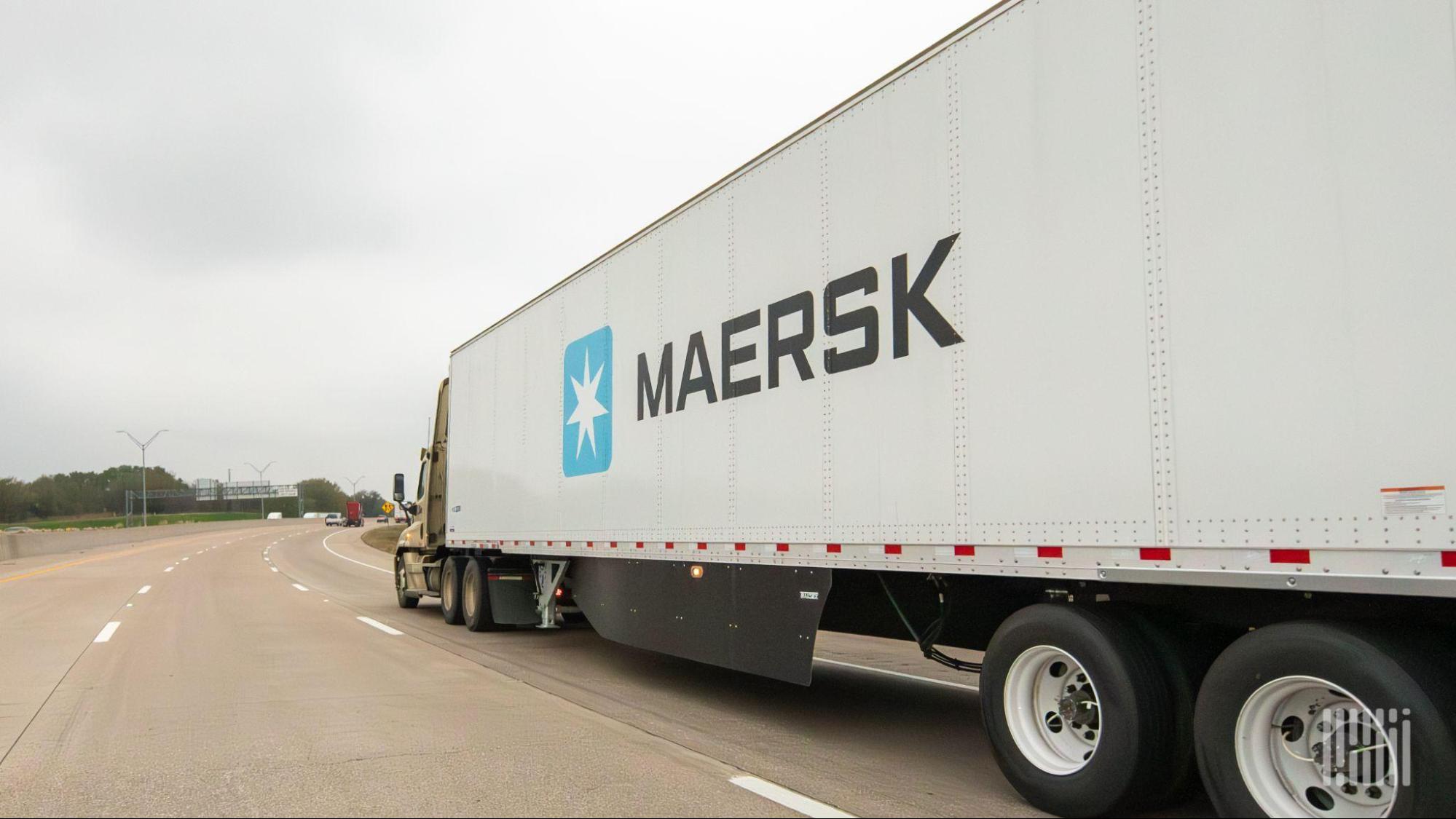
Maersk is betting that vertical integration will turn last-mile delivery into a data intelligence engine for its North American ground and e-commerce operations, according to FreightWaves. Executives Prashant Shah and Joe Johnson say connected systems give customers global visibility and a consistent delivery experience from the port to the doorstep.

August 14, 2026
Amazon speeds last-mile delivery, expands robotics fleet past 1 million Logistics

Amazon speeds last-mile delivery, expands robotics fleet past 1 million

Amazon expanded same-day and overnight delivery to more than 40% of items in H1 2026 and grew Amazon Now to over 250 cities. The company also passed 1 million deployed robots and plans to double its robotic arm fleet in 2026, according to FreightWaves.

July 31, 2026
Amazon Moves Parcels by Shinkansen Bullet Train, Launches E-Bike Delivery in Los Angeles Logistics

Amazon Moves Parcels by Shinkansen Bullet Train, Launches E-Bike Delivery in Los Angeles

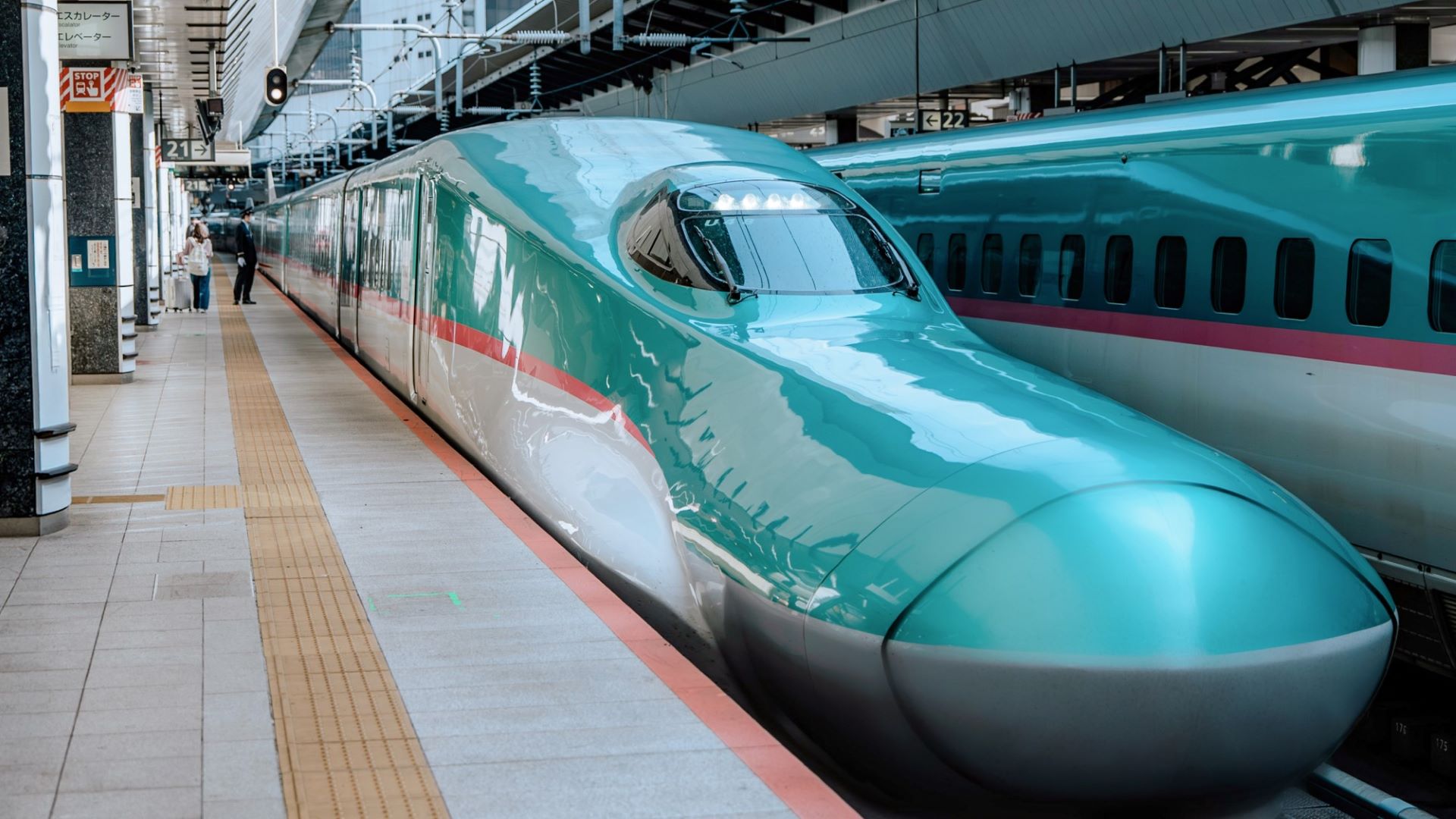
Amazon contracted with three Japan Railway companies to move parcels on Shinkansen bullet trains, enabling same-day delivery from Tokyo to central and northern Japan. The company also launched its first U.S. West Coast e-cargo bike operation in Culver City, California, with Burbank to follow. The moves add rail and bike capacity to Amazon's middle- and last-mile networks.

August 26, 2026
Carrier diversification unravels the last-mile delivery duopoly as shippers seek alternatives Logistics

Carrier diversification unravels the last-mile delivery duopoly as shippers seek alternatives

A new AlixPartners survey reveals that 55% of retailers now use carriers outside FedEx, UPS, and USPS, with alternative carriers growing 13% in volume. Amazon became the largest domestic parcel carrier in 2025, while FedEx and UPS are pivoting to B2B logistics. The trend is driven by rising consumer expectations (2.6 days max for free shipping) and escalating costs.

July 29, 2026